
Lieferung heute & morgen

Qualitätsgarantie

Willkommens-Angebote freischalten: KOSTENLOSE Lieferung | Bis zu 80 % RABATT | Kostenlose 30-Tage-JoyPlus-Testphase
App herunterladen
A face exfoliator can help remove dead skin cells, smooth rough skin and leave your skin feeling better after cleansing. But not every texture or active ingredient is right for every skin type. If you focus only on terms such as “Radiance”, “Blackhead” or “Detox”, you may overlook the details on the packaging that matter most.
When you massage a face peeling gel into your skin, small rolls often form. Depending on the formula, these are mainly made up of cellulose and gel ingredients that bind together through friction. So the rolls are not reliable proof that the product has removed a particularly large number of dead skin cells.
A physical exfoliator with grains, a chemical face exfoliator and a cleansing gel can affect your skin in different ways. Using several such products together may leave your skin dry, red or tight. How often you use an exfoliator should depend on the product instructions and your skin’s individual sensitivity.
Depending on its active ingredients, a face exfoliator for blackheads can help remove excess sebum and build-up from the skin’s surface. However, a cosmetic product is no substitute for dermatological treatment. If you have persistent or inflamed skin problems, it’s a good idea to seek medical advice.
For a physical exfoliator, the type and size of the particles matter. Jojoba esters, bamboo extract and mineral ingredients differ from plastic particles. If you’re looking for a face exfoliator without microplastics, check the full INCI list and the manufacturer’s information about the formula. The word “natural” alone is not enough to confirm this.
For chemical formulas, it’s important to check which acid is used, where it appears in the ingredients list and what the instructions say. A percentage can be helpful, but it isn’t available for every product. If you’re new to exfoliators, a product with clear instructions and a low recommended frequency may be easier to use.
Cosmetics sold on the German market must display, among other things, an ingredients list, the nominal contents, durability information or the symbol showing how long the product can be used after opening, and the details of a responsible person in the EU. Always check the labelling on the product you receive, as formulas can change.
Do not use on broken or irritated skin. Avoid the eye area and stop using the product if irritation persists. If you use acid-based products, include a suitable sunscreen in your daytime skincare routine, as your skin may become more sensitive to UV radiation.
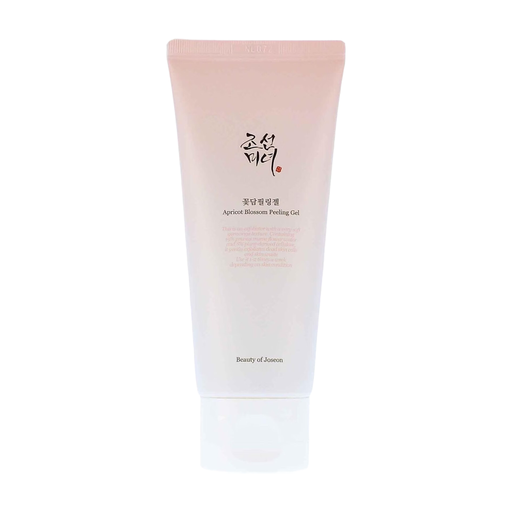
Why this product suits this profile: After cleansing, massage the gel texture into dry skin for around 20 seconds, then rinse it off. According to the product details, the formula contains 19 % Prunus Mume Flower Water and 8 % plant-derived cellulose.
The instructions are clear, and there’s no need to use it alongside other acid-based products. The cellulose base makes it clear that the visible rolls may come from the gel structure.
100 ml, plant-derived cellulose and, according to the product details, suitable for the face and body.
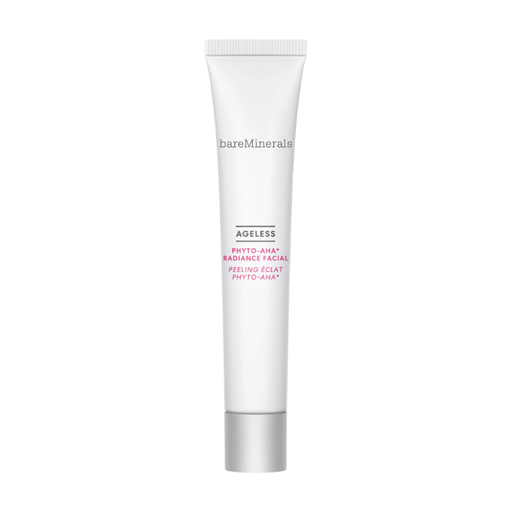
Why this product suits this profile: According to the product description, this liquid exfoliator contains a plant-based AHA alternative, glycerin and squalane. Leave it on cleansed skin for 15 to 20 minutes, then rinse it off.
The product information specifies how long to leave it on and recommends using it no more than three times a week. Fragrance is listed among the ingredients, so bear this in mind if you have sensitive skin.
50 ml, described as dermatologically tested and non-comedogenic; the description also states that the product is vegan.
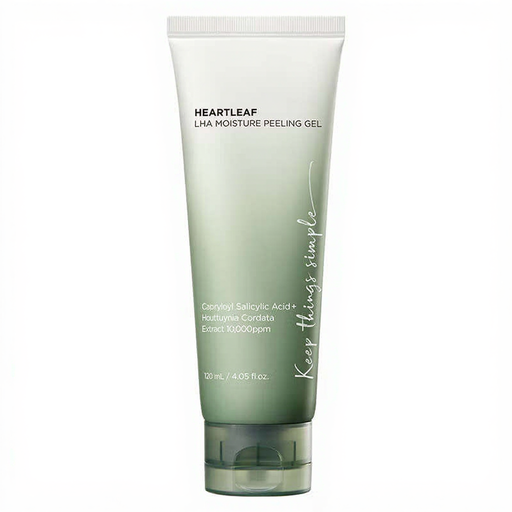
Why this product suits this profile: According to the product information, this Korean face exfoliator combines LHA, cellulose and heartleaf extract. It’s recommended for use on dry skin once or twice a week.
Limiting how often you use it and avoiding vigorous scrubbing can help prevent over-exfoliation. Do not use the product if your skin is already irritated.
120 ml, with LHA and cellulose in a gel texture; sodium hyaluronate is included in the listed ingredients.
We’ve put together a complete, regularly updated list of products that meet these strict selection criteria and fully comply with the safety regulations in force in the EU.
An exfoliator is usually used after cleansing and before serum or moisturiser. If you’re using a gel that needs rinsing off, rinse your skin with lukewarm water afterwards. Leave chemical products on your skin according to the instructions. When trying a new formula, start sparingly and don’t use it at the same time as retinoids or other acid-based products.
Shelf life is indicated by the printed best-before date or the symbol showing how long the product can be used after opening. Heat, direct sunlight and leaving the lid open can affect product quality. A 100 ml product often costs less per use than a small 30 ml bottle, provided the recommended amount is similar. The price of the pack isn’t the only thing that matters: how often you use the product is important too.
It depends on the formula and your skin type. Physical exfoliators and peeling gels are often used once or twice a week. For a chemical face exfoliator, follow the manufacturer’s instructions. If you experience stinging, persistent redness or severe dryness, stop using it for a while.
A BHA product is often chosen for oily skin and congested pores, while a peeling gel mainly removes surface residue through its gel and cellulose structure. How well your skin tolerates a product will vary. Don’t combine several products for blackheads on the same day.
A short INCI list without unnecessary fragrances or essential oils can make it easier to choose a product. Test it on a small area of skin first, follow the recommended leave-on time and use a simple moisturiser afterwards. If problems keep coming back, it’s a good idea to seek dermatological advice.