
Lieferung heute & morgen

Qualitätsgarantie

Willkommens-Angebote freischalten: KOSTENLOSE Lieferung | Bis zu 80 % RABATT | Kostenlose 30-Tage-JoyPlus-Testphase
App herunterladen
A face exfoliator can be a worthwhile addition to your skincare routine if your skin feels rough, excess sebum is visible, or your pores clog quickly. However, the choice is vast: exfoliating gel, exfoliating toner, cleansing foam, pads and acid serum all follow different application concepts.
If you only look out for terms like “Pore Cleansing”, “Glow” or “Miracle”, you can easily buy a product that doesn’t suit your skin or your existing routine. Three common pitfalls are particularly relevant:
Exfoliating gels are applied to dry, cleansed skin and massaged in briefly. Small balls often form when rubbing. This texture is not equivalent to a complete removal of all dead skin cells; the ingredients and intended use are what matter.
Such a product can be interesting for beginners who want to remove dead skin cells without starting directly with highly concentrated acids. It should not be used on irritated or damaged skin.
The term AHA BHA PHA exfoliator initially only describes the acid groups contained. It says nothing on its own about individual tolerance. A patch test and a gradual increase in use are therefore advisable.
An exfoliating toner stays on the skin depending on the product and is applied after cleansing. Pads simplify dosing, but can also have an additional mechanical effect through wiping. A cleansing foam with acids, on the other hand, is rinsed off and is part of the cleansing step.
For a face exfoliator for blackheads, you should pay particular attention to the frequency of use, the type of acid and other active products in your routine. Retinoids, vitamin C products or several acid products on the same evening can be too much for sensitive skin.
The complete INCI list on the packaging is the decisive basis. Look at the position of salicylic acid, glycolic acid, gluconolactone or betaine salicylate. A percentage is helpful, but not available for every product type. For example, BHA Blackhead Power Liquid states 4% betaine salicylate; with other products, acids may be listed without a concentration.
Plant extracts, panthenol, glycerin or allantoin can be part of a nourishing formulation. However, they do not replace an individual tolerance test.
A gel that is massaged for about 20 seconds and then rinsed off is used differently to a serum or toner that remains on the skin. Check:
When starting a new chemical exfoliator, begin with a low frequency. If you experience stinging, persistent redness, a rash or severe flaking, stop using it.
Acid-containing products can make your skin more sensitive to the sun. Therefore, using a suitable sunscreen during the day is advisable. Products should not be applied to open, damaged or acutely irritated skin. If you have known allergies, check the INCI list carefully. Cosmetic exfoliators are not medical products and do not replace dermatological advice for pronounced skin problems.
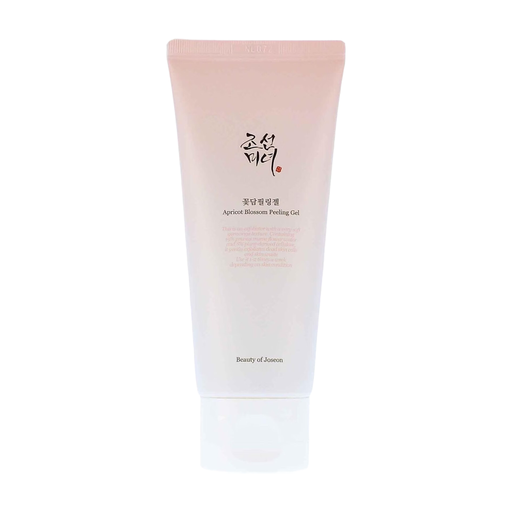
Why this product suits the profile: The exfoliating gel is applied to dry skin, massaged for about 20 seconds and then rinsed off with lukewarm water. This is easy for beginners to integrate into a weekly routine.
The application and contact time are clearly described. According to the product information, the formula contains 8% plant-based cellulose and 19% Prunus mume flower water.
Rinse-off gel, 100 ml tube and, according to the supplier, suitable for all skin types.
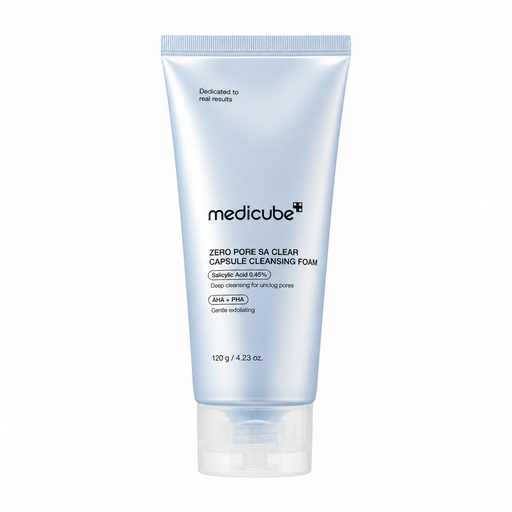
Why this product suits the profile: The cleansing foam combines daily facial cleansing with AHA, BHA and PHA components. According to the product description, microcapsules dissolve when massaged in.
It is clearly labelled as a rinse-off cleansing product and not as a leave-on toner. This allows the contact time to be limited to the washing process.
120 g format, foam texture and Centella asiatica extract according to the product information.
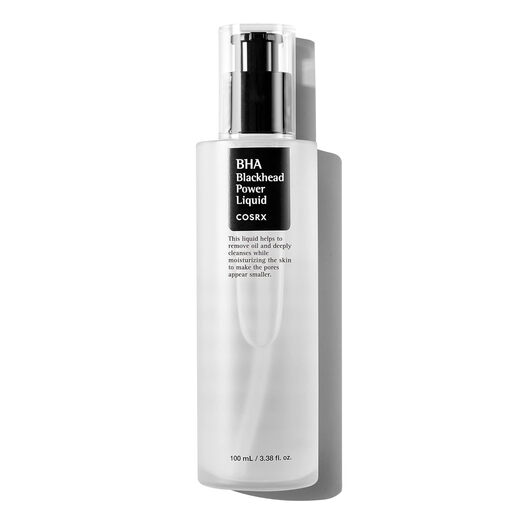
Why this product suits the profile: This leave-on product is aimed at users who want to incorporate a targeted BHA product into their routine for areas with excess sebum or visible blackheads.
The product information states 4% betaine salicylate and recommends beginners use it once or twice a week. This makes a controlled introduction easier.
Liquid texture, 100 ml content, plus niacinamide, panthenol and sodium hyaluronate according to the INCI list.
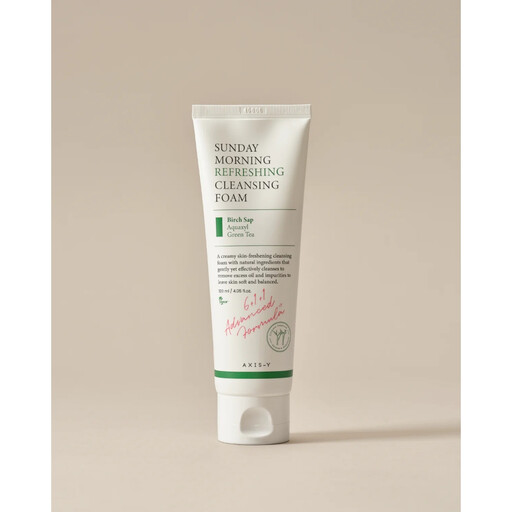
Why this product suits the profile: This gel-water exfoliator contains 10% gluconolactone according to the product information and is left on dry skin for 10 to 15 minutes before being rinsed off.
The acid type and concentration are clearly stated. The longer contact time makes a patch test and careful adherence to the usage instructions particularly important.
PHA-based formulation, 50 ml content, plus Centella and fruit extracts according to the product description.
We have compiled a complete, regularly updated list of products that fully meet these strict selection criteria and the safety regulations in force in the EU.
More products in the same routine are not automatically beneficial. With an exfoliator for blemished skin, the application should be coordinated with the rest of your cleansing and care routine, rather than combining several acid products at the same time.
That depends on the product type and your skin’s tolerance. An exfoliating gel is often used once or twice a week. With leave-on products, a slow start according to the manufacturer’s instructions is advisable. If irritation occurs, reduce the frequency or stop using it.
BHA-containing products are often chosen for oily skin and clogged pores. They can address dead skin cells and excess sebum in your skincare routine. However, complete or permanent removal of blackheads cannot be guaranteed.
Not every product is intended for daily use. Check the specific usage instructions and consider other active ingredients in your routine. For sensitive skin, a longer gap between applications is usually the more cautious approach.