
Lieferung heute & morgen

Qualitätsgarantie

Willkommens-Angebote freischalten: KOSTENLOSE Lieferung | Bis zu 80 % RABATT | Kostenlose 30-Tage-JoyPlus-Testphase
App herunterladen
A face exfoliator can help smooth the skin’s surface and remove dead skin cells. However, not every face exfoliator is suitable for every skin type. If you focus only on terms such as “glow”, “detox” or “anti-ageing”, it’s easy to overlook important details about the type and concentration of acids, how long to leave the product on and how often to use it.
The most common pitfalls when buying and using an exfoliator are:
Before you buy, it’s worth checking the active ingredients. The terms used describe different types of acids and approaches to exfoliation.
AHA exfoliators contain ingredients such as lactic acid or glycolic acid. These acids work mainly on the skin’s surface and are often used in products for dull-looking skin, uneven texture or visible signs of ageing. An exfoliator for radiant skin containing AHA should be used according to the manufacturer’s instructions and not applied to irritated skin.
BHA exfoliators usually contain salicylic acid. They’re often chosen for oily skin and the appearance of congested pores. However, an exfoliator for blemish-prone skin is no substitute for medical acne treatment. If you have persistent or inflamed skin concerns, it’s a good idea to seek advice from a dermatologist.
PHA exfoliators, such as formulas containing gluconolactone or lactobionic acid, are considered an option for those who prefer a gentler chemical exfoliator. However, “gentle” doesn’t guarantee that a product will suit everyone. Even a face exfoliator for sensitive skin should first be tested on a small area.
Physical exfoliators contain abrasive particles or use a gel texture that works as you massage it in. Vigorous rubbing may not be suitable for sensitive, dry or already irritated skin. An exfoliating mask with a specified application time is easier to plan around, but you should still follow the instructions on the packaging carefully.
Check whether the product contains AHA, BHA, PHA or a combination. A stated concentration makes it easier to assess. Here are some examples from our selection:
The higher the concentration or the more complex the combination of active ingredients, the more important it is to follow the application time, carry out a patch test and use sun protection.
A product may be designed as a leave-on exfoliator, an overnight treatment or a rinse-off mask. These formats aren’t interchangeable. For example, The Ordinary recommends using its product in the evening for no more than ten minutes, up to twice a week. According to the product description, the Madara mask should be left on for three to ten minutes and is recommended two to three times a week.
If you’re trying a new chemical exfoliator, start slowly. Don’t use several powerful exfoliating products at the same time, and cut back if you experience burning, itching or persistent redness.
As well as acids, a product may contain humectants, soothing ingredients, fragrance or essential oils. If your skin is sensitive to fragrance, check the full INCI list. If the online ingredient information is incomplete or out of date, refer to the packaging.
Use a suitable sun protection product during the day after exfoliating. AHA products can make your skin more sensitive to sunlight. Don’t apply an exfoliator to broken, inflamed or irritated skin.
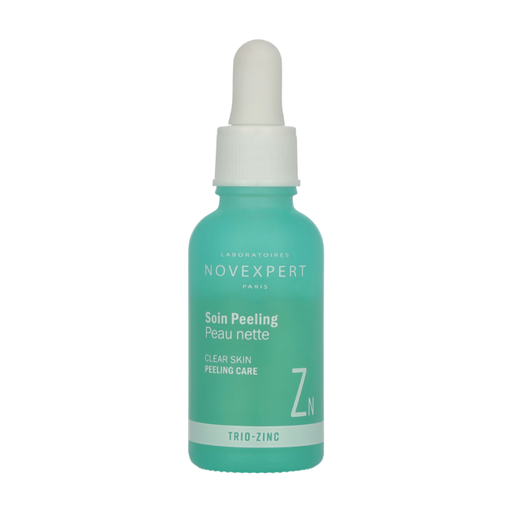
Why this product suits this profile: It’s designed for evening use and, according to the product information, for a one-month period. This makes it easier for exfoliation beginners to manage their routine.
The instructions specify how long to wait after cleansing and highlight the need for sun protection. This helps avoid using the product spontaneously without clear guidance.
According to the product description, it contains lactic acid, gluconolactone and humectants such as glycerin and hyaluronate.
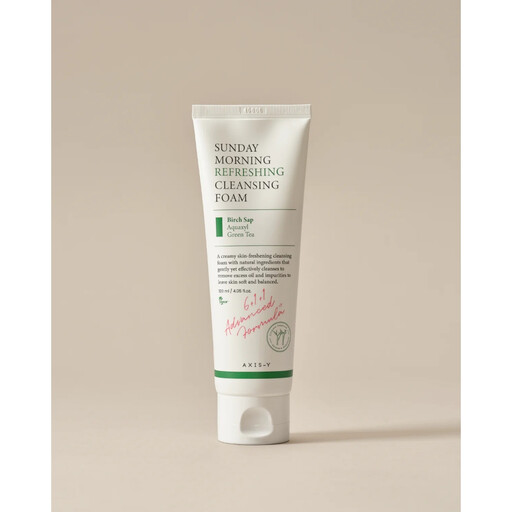
Why this product suits this profile: The stated PHA concentration and full ingredients list make it easier to assess the product objectively before buying.
The product information states that it contains 10% gluconolactone and should be left on for 10 to 15 minutes. That’s more specific than a vague “glow” promise.
PHA formula with glycerin and plant extracts; according to the product information, it’s vegan and made in South Korea.
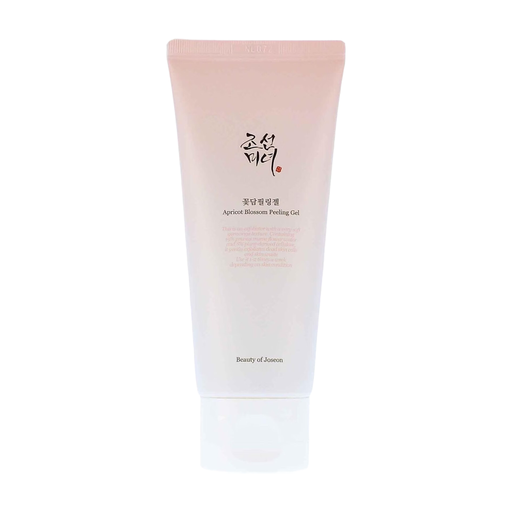
Why this product suits this profile: Massage the gel into dry skin for around 20 seconds, then rinse it off. It’s a good choice if you prefer a quick, fuss-free routine.
The clear, short application time reduces the risk of leaving a leave-on product on your skin for too long.
According to the product description, it contains 19% apricot blossom water and 8% plant-derived cellulose; designed for the face and body.
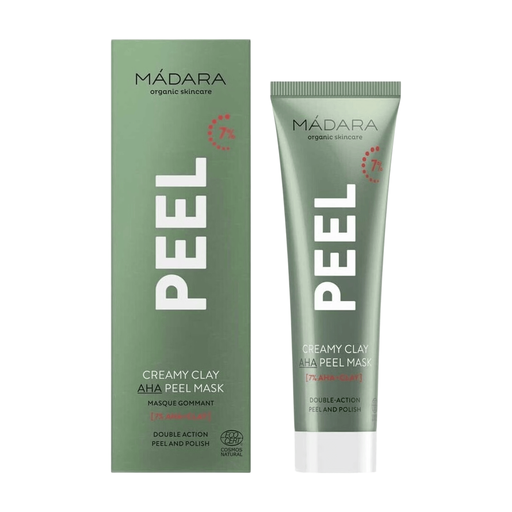
Why this product suits this profile: The combination of lactic acid and clay is aimed at those looking for a rinse-off AHA product for rough or blemish-prone skin.
The packaging states that it contains 7% lactic acid, gives a limited application time and advises against use on sensitive or hypersensitive skin.
Rinse-off mask with white clay, jojoba oil and 7% lactic acid, according to the product description.
We’ve put together a complete, regularly updated list of products that meet these strict selection criteria and fully comply with the safety regulations in force in the EU.
It depends on the type and concentration of acid, as well as the product format. A mild gel may be designed for more frequent use according to the manufacturer, while intensive AHA-BHA products are usually used only once or twice a week. Always follow the specific instructions on the packaging.
Some PHA or low-concentration formulas may be suitable for sensitive skin. Even so, you should test any new product carefully before using it more widely. Exfoliators aren’t suitable for irritated, broken or hypersensitive skin.
An exfoliator for dark spots or an anti-ageing exfoliator may improve the appearance of uneven skin. The results depend on the formula, regular use and sun protection. However, cosmetic exfoliators aren’t guaranteed to remove dark spots and are no substitute for advice from a dermatologist.