
Lieferung heute & morgen

Qualitätsgarantie

Willkommens-Angebote freischalten: KOSTENLOSE Lieferung | Bis zu 80 % RABATT | Kostenlose 30-Tage-JoyPlus-Testphase
App herunterladen
A face exfoliator can loosen dead skin cells and leave the skin’s surface looking smoother. However, not every product suits every skin type. Misleading purchases are common because packaging often focuses on claims such as “glow”, “detox” or “anti-ageing”, while important details about the type of acid, concentration, fragrance or application instructions are less prominent.
A higher acid content does not automatically mean more suitable skincare. An AHA face exfoliator containing glycolic or lactic acid may be suitable for rough skin and an uneven-looking complexion, while sensitive skin may react to an intensive formula with stinging or redness. With a face exfoliator for sensitive skin, a manageable application frequency, gentle formula and clear warnings are particularly important.
Particles, brushes or vigorous massaging can place additional strain on the skin’s surface. An exfoliator for blemish-prone skin should not be “intensified” by rubbing hard. A gentle approach is particularly advisable for skin that is already irritated, dry or prone to blemishes.
Plant extracts can be included in a formula, but they do not rule out fragrances or individual intolerances. According to the stated INCI list, Medi-Peel Herbal Peel Tox Pro contains numerous plant extracts as well as fragrance. If you have sensitive skin, check the full ingredients list and test the product on a small area of skin first.
The term “exfoliator” can refer to different methods:
When choosing an exfoliator for pigmentation or an anti-ageing exfoliator, do not expect fast results. Visible skin changes can have many causes. If pigmentation is unusual or newly occurring, it is advisable to seek a dermatological assessment.
The active ingredient concentration alone does not describe the product’s overall strength. The pH value, product texture, application time and combination of several acids also play a role. One example is Bionike Defence My Age Renewing Peel: according to the product information, it contains 10% AHA and PHA acids, is applied in the evening, left on for around ten minutes and then rinsed off. The stated usage is two to three times a week.
The product description for Axis-Y PHA Resurfacing Glow Peel states 10% gluconolactone. The recommended application time is ten to 15 minutes. Details such as these make comparison easier, but do not replace a skin tolerance test.
If you are looking for a face exfoliator for radiant skin, also look out for glycerine, hyaluronic acid or other nourishing ingredients. Fragrance, alcohol or a long list of plant extracts may be relevant for some people. After rinsing, a simple moisturiser is recommended. During the day, sun protection with an adequate SPF should be part of your routine, particularly after using acid-based products.
Do not use an exfoliator on irritated, damaged or sunburnt skin. Combining several active products, such as retinoids, strong acids or heavily fragranced skincare, can increase the overall burden on the skin.
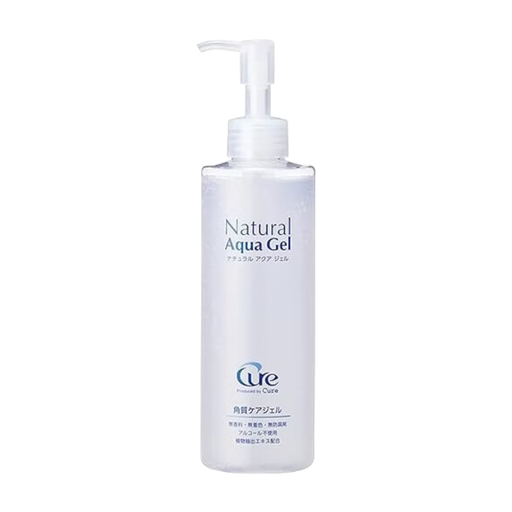
Why this product suits this profile: The generous 250g size and gel-based application make it suitable for people looking for a straightforward product for the face and body.
The product information states that it can be used without vigorous scrubbing and that the formula is free from fragrance, colourants, parabens and alcohol.
Gel texture, use on the face and body, plus a short INCI list.
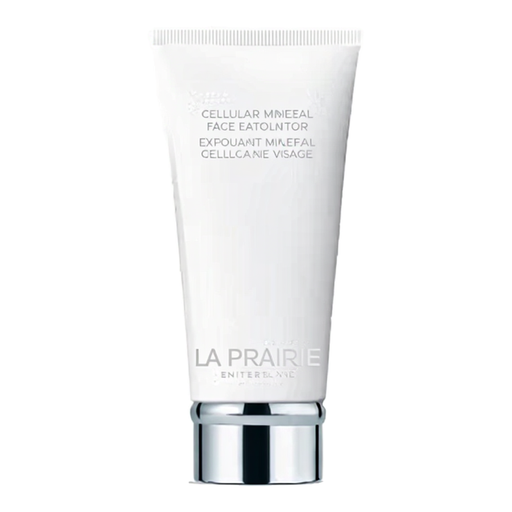
Why this product suits this profile: The gel cream combines mechanical exfoliation with mineral ingredients, making it appealing to people who value a high-quality skincare routine.
The application instructions distinguish between dry, normal, combination and oily skin, and specify different usage frequencies for each.
100ml size, transparent gel texture and, according to the product description, no sulphates, ammonia or colourants.
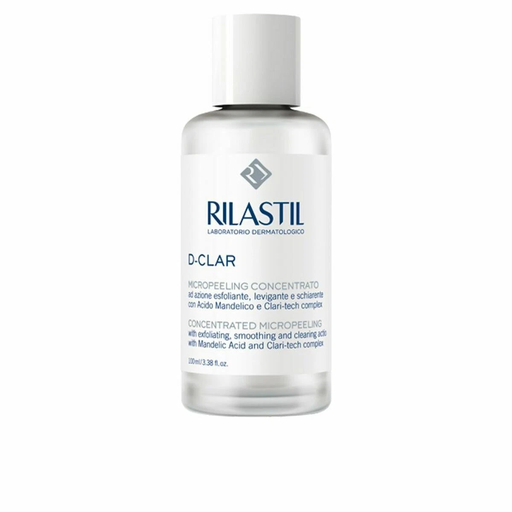
Why this product suits this profile: The leave-on serum is suitable for people who want to incorporate an exfoliator into their evening skincare routine.
For new users, the instructions initially recommend using it two to three times a week. They also explicitly warn against applying it to irritated or damaged skin.
According to the INCI list, it contains mandelic acid, niacinamide, hyaluronic acid and a vitamin C derivative.
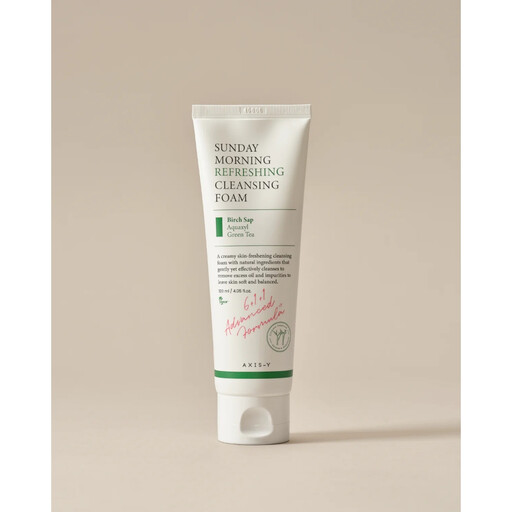
Why this product suits this profile: The gel-based PHA formula is appealing to people looking for an acid-based skincare option designed for superficial application.
The product information advises applying it without vigorous rubbing and warns against use on damaged, burnt or irritated skin.
10% gluconolactone according to the product description, plus plant extracts including cucumber and Centella asiatica.
Other options include Bionike Defence My Age Renewing Peel with an integrated brush applicator, Embryolisse Active Night Peeling with fruit acid extract and the mechanical Nuxe Very Rose Face Scrub. Medi-Peel Herbal Peel Tox Pro is another option for those looking for a formula with a particularly strong focus on plant-based ingredients. For all products, check the packaging, INCI list and current application instructions before buying.
We have put together a complete, regularly updated list of products that fully meet these strict selection criteria and the safety regulations applicable in the EU.
This depends on the product type and how your skin reacts. Mechanical products are often recommended once a week, while acid or PHA products are usually used once to three times a week. New formulas should initially be used less frequently. Stop using the product if you experience stinging, persistent redness or itching.
A gentle face exfoliator should have a clear application time, a limited usage frequency and as few potentially irritating ingredients as possible. PHA formulas or fragrance-free products may be an option, but they cannot guarantee individual tolerance. A patch test before the first extensive application is advisable.
Only if the specific product instructions expressly allow it and your skin tolerates it. According to the product description, Embryolisse Active Night Peeling is intended for daily evening use; other products are limited to once to three times a week. Exfoliating several times a day does not automatically increase the benefits and may place stress on the skin.