
Lieferung heute & morgen

Qualitätsgarantie

Willkommens-Angebote freischalten: KOSTENLOSE Lieferung | Bis zu 80 % RABATT | Kostenlose 30-Tage-JoyPlus-Testphase
App herunterladen
A face exfoliator can remove dead skin cells and surface impurities. However, not every product is suitable for every skin type. Marketing claims, using a product too often or choosing unsuitable ingredients can all lead to unnecessary expense and irritated skin.
As Joybuy Product Recommendation Officer, I sift through product information to identify the most important things to consider before you buy. This can help you choose a gentle face exfoliator that suits your skin and daily skincare routine.
A product can be marketed as mild and still contain fragrance, alcohol, essential oils or several acids. It’s especially worth checking the full INCI list when choosing a face exfoliator for sensitive skin. Fragrance-free products may be worth considering if you want to avoid known fragrance allergens. However, this doesn’t guarantee that a product will suit your skin.
Physical exfoliating particles, AHA, BHA, LHA and enzymes all work differently. A high acid concentration may not be suitable for beginners or sensitive skin. Even a product designed for daily use can cause tightness or redness if combined incorrectly with other active skincare products.
Not every body exfoliator can be used on your face. According to its product description, Skeyndor Spa Senses Peel 200 ml is specifically for the body and should not be used on facial skin. Check for this kind of information before buying.
An AHA-BHA exfoliator such as The Ordinary AHA 30% + BHA 2% Peeling Solution isn’t a typical beginner product, given its stated concentrations. According to the product information, it should be applied to dry skin in the evening for no more than ten minutes, and used no more than twice a week. A patch test on a small area of skin is recommended.
If you have dry or sensitive skin, formulas containing glycerin, panthenol, betaine or hyaluronic acid may be worth considering. AHA, BHA or LHA are often sought out for combination and oily skin. However, that doesn’t mean a product will automatically help with blackheads. A face exfoliator for blackheads may help cleanse the skin’s surface, but persistent or inflamed skin concerns shouldn’t be treated by scrubbing harder.
Also look out for:
An exfoliator is usually used after cleansing and before moisturiser. Start by using new products sparingly and follow the directions on the packaging. Don’t combine several strong acid products on the same evening. After using a chemical exfoliator, it’s a good idea to wear sun protection during the day, as your skin may be more sensitive to UV rays.
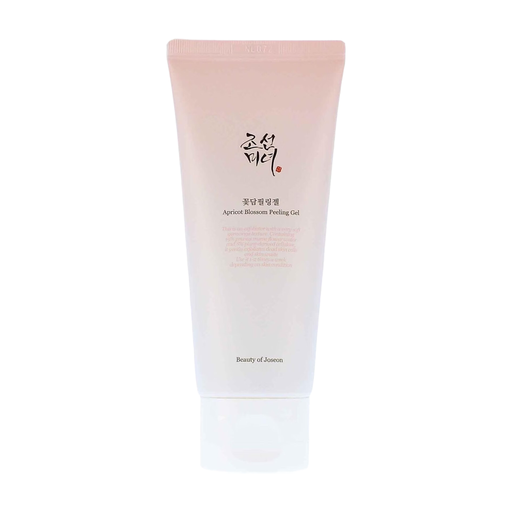
Why this product suits this profile: Apply the face exfoliating gel to dry skin, massage gently for about 20 seconds, then rinse off. The tube is easy to use and suits a simple skincare routine.
The product description doesn’t mention a high acid concentration, making it easier for beginners to control how they use it.
Plant-based cellulose, 19% plum blossom water according to the product information, and easy to use.
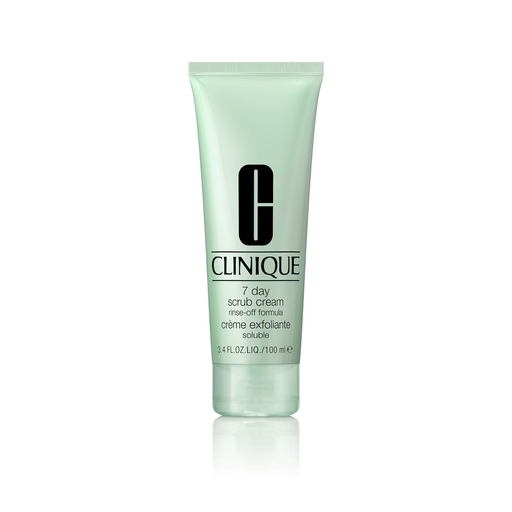
Why this product suits this profile: The creamy, rinse-off formula with silica particles is designed for anyone who prefers a classic physical face exfoliator.
The product information describes a water-based cream with fine, spherical silica particles and a fragrance-free formula.
Rinse-off cream, 100 ml size and, according to the product description, fragrance-free.
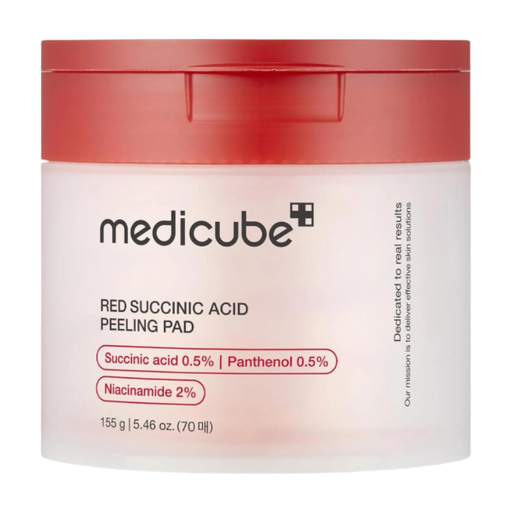
Why this product suits this profile: Pre-soaked pads are convenient if you prefer a quick application without having to measure out a product or rinse it off.
The pads make the amount used each time more consistent. The recommended frequency is two to three times a week.
According to the product information, it combines succinic acid, panthenol, niacinamide and AHA; no rinsing required.
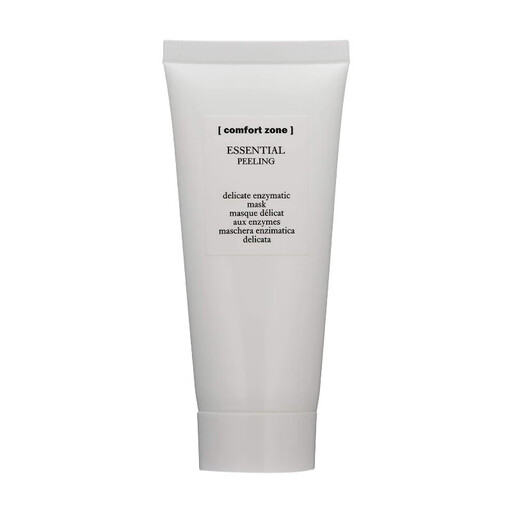
Why this product suits this profile: According to the product description, this enzymatic mask is designed for sensitive skin and should be used once a week or less, depending on your skin type.
It’s designed for limited use, with a leave-on time of ten minutes. This helps you keep your routine under control.
Enzymatic texture, 96% ingredients of natural origin according to the product information, and a vegan formula.
We’ve put together a complete, regularly updated list of products that meet these strict selection criteria and fully comply with the safety regulations in force in the EU.
It depends on the type of product and how well your skin tolerates it. Physical or enzymatic products are often used once or twice a week. For acid exfoliators, follow the directions on the packaging. Start by using it less often, and stop if you experience redness, a burning sensation or persistent dryness.
Look for a short INCI list, a low recommended frequency of use and no ingredients that you know cause you problems, such as certain fragrances. An enzyme face exfoliator or a mild exfoliating gel may be an option. However, “suitable for sensitive skin” is a manufacturer’s claim and doesn’t replace a patch test.
Check the expiry date and PAO symbol on the packaging. Once opened, use the product within the period indicated. Store it somewhere cool and dry, away from direct sunlight. Stop using the product if its colour, texture or smell changes.