
Lieferung heute & morgen

Qualitätsgarantie

Willkommens-Angebote freischalten: KOSTENLOSE Lieferung | Bis zu 80 % RABATT | Kostenlose 30-Tage-JoyPlus-Testphase
App herunterladen
A face exfoliator can help remove dead skin cells, reduce excess sebum and leave the skin’s surface feeling smoother. However, not every product will deliver the right results for your skin. It’s easy to be persuaded by claims such as “refined pores”, “glow” or “detox” when choosing an exfoliator, even if its ingredients, texture and directions aren’t suited to your skin type.
“Deep cleansing” doesn’t automatically tell you how a product works. What matters is whether it’s a physical exfoliator, an enzyme exfoliator, an acid-based product or a clay mask. The full INCI list on the packaging is also more useful than general marketing claims.
A face exfoliator isn’t a daily cleansing step. Physical particles, fruit acids or salicylic acid may cause tightness or redness if used too often. A gentle exfoliator for sensitive skin should be used less frequently and, to begin with, tested on a small area of skin.
A clay or charcoal mask may suit an oily T-zone, while dry skin is more likely to need a gentle formula that helps retain moisture. If you have combination skin, applying the product to specific areas is often a better choice than spreading a strongly degreasing formula over your whole face.
Check the concentration when choosing a salicylic acid exfoliator. According to the product information, The Ordinary Salicylic Acid 2% Masque contains 2% salicylic acid and should be left on the skin for no more than ten minutes. An AHA product such as Medik8 Sleep Glycolic Peel is, according to its product description, limited to twice-weekly use.
How long you leave a product on isn’t a minor detail. If a mask is intended to be left on for five to ten minutes, don’t assume it’s fine to wear it for longer. If redness, stinging or itching occurs, rinse the product off and stop using it.
Sensitive skin may react to fragrance, essential oils or a combination of several acids. After exfoliating, use a simple skincare product without other exfoliating ingredients. If you use AHA, BHA or PHA products, apply sun protection during the day and reduce intense UV exposure. If you have a skin condition, broken skin or persistent symptoms, seek advice from a dermatologist.
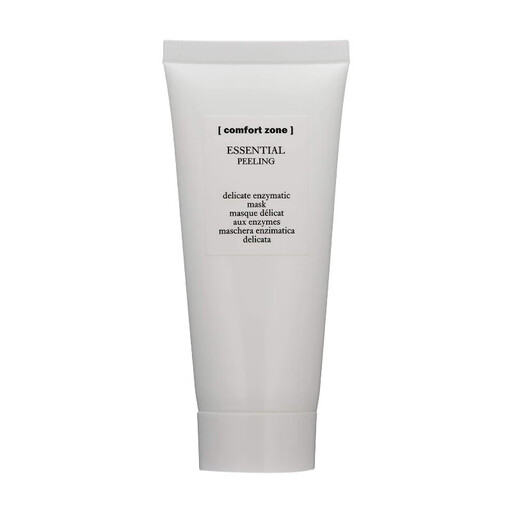
Why this product suits this profile: The enzyme mask format, with a ten-minute application time, offers a straightforward introduction to exfoliation. According to the product information, it’s suitable for sensitive skin and should be used once a week or less often, depending on your skin type.
The recommended low frequency helps prevent you from using an exfoliator like a daily cleanser. According to the product information, the formula contains betaine, panthenol and glycerin, among other ingredients.
60 ml size, vegan according to the product information, and 96% ingredients of natural origin according to the brand. Clinically and dermatologically tested, according to the product information.
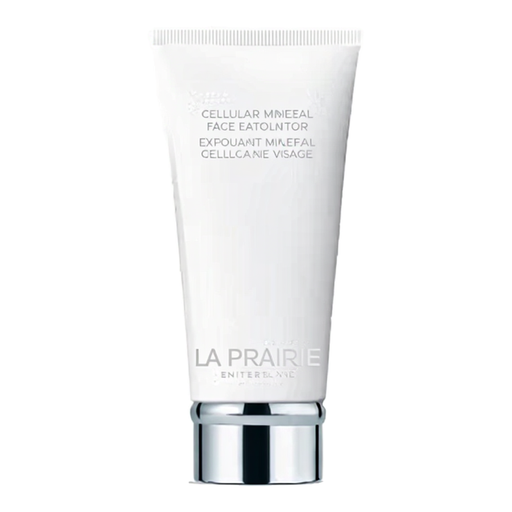
Why this product suits this profile: According to the product description, the gel cream combines mineral particles with physical exfoliation. It’s aimed at those who consider texture, size and skincare ritual equally important.
The recommended frequency varies by skin type: two to three times a week for combination to oily skin, and once or twice a week for normal to dry skin. This avoids a one-size-fits-all approach to use.
100 ml size and a formula that is ammonia-, sulphate- and dye-free, according to the product information.
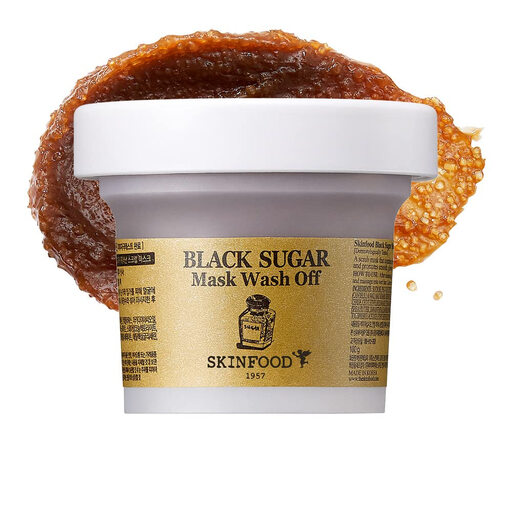
Why this product suits this profile: Apply this Korean face mask to damp skin and rinse off after ten to 15 minutes. It’s a good choice if you’d like to add a rinse-off exfoliator to your weekly routine.
The instructions specifically recommend a gentle massage and avoiding the eye and lip areas. If you have sensitive skin, a patch test is still a good idea.
120 g size, sugar particles, and vegetable oil and rice wine according to the product information. The mask is listed as suitable for normal, oily, combination and sensitive skin.
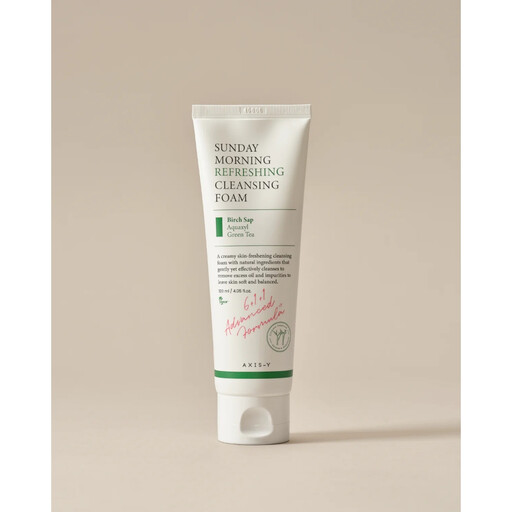
Why this product suits this profile: According to the product information, this gel-water exfoliator contains 10% gluconolactone and should be left on for ten to 15 minutes. It may appeal to beginners looking for an acid alternative with a clearly stated application time.
The concentration and application time are clearly stated. The product warnings advise against using it on broken, sunburnt or irritated skin.
PHA active ingredient, five fruit and plant extracts according to the product description, and a rinse-off formula.
We’ve put together a complete, regularly updated list of products that meet these strict selection criteria and fully comply with the safety regulations applicable in the EU.
When choosing an exfoliator for blackheads or looking to cleanse pores, it’s important to have realistic expectations: a cosmetic product may temporarily make your skin look clearer, but it won’t permanently remove every blemish. A clay or salicylic acid mask may suit oily skin; for sensitive skin, an enzyme or PHA product is often easier to use gently.
It depends on the active ingredient, your skin type and the manufacturer’s instructions. A mild product is often used once or twice a week, or less often if you have sensitive skin. Start by using new acid products less frequently.
Each option works differently. An enzyme exfoliator works without vigorous rubbing, while AHA, BHA or PHA exfoliate using acids. For beginners, a clearly stated application time can be helpful. If your skin is sensitive or already irritated, choose a particularly gentle formula to start with.
Check the best-before date, batch information and PAO symbol printed on the packaging. After opening, keep the product tightly closed, store it in a dry place and protect it from direct sunlight. If its smell, colour or consistency changes, stop using it.