
Lieferung heute & morgen

Qualitätsgarantie

Willkommens-Angebote freischalten: KOSTENLOSE Lieferung | Bis zu 80 % RABATT | Kostenlose 30-Tage-JoyPlus-Testphase
App herunterladen
A face exfoliator can remove dead skin cells and complement your skincare routine. However, what matters is not a striking advertising slogan, but the combination of exfoliation type, ingredients, frequency of use and your own skin sensitivity. Checking these points before buying can help you avoid unnecessary irritation and products that do not fit into your daily routine.
Descriptions such as “gentle face exfoliator” or “for all skin types” are product claims, not a guarantee of individual compatibility. Even a facial enzyme exfoliator can cause tightness if your skin is sensitive or already irritated. Factors to consider include the enzymes, acids, fragrances and mechanical particles used.
If you have sensitive skin, it is best to start gradually. Apply a small amount to an inconspicuous area of skin first. If persistent redness, burning or itching occurs, stop using the product and seek dermatological advice if necessary.
After exfoliation, your skin may feel smoother for a short time. This does not necessarily mean a lasting change to pigmentation, pores or overall skin appearance. A face exfoliator for pigmentation can care for the skin’s surface, but it is not a substitute for dermatological treatment. If you have unusual or changing areas of skin, medical advice is recommended.
A brightening exfoliator should not be confused with a medical bleaching or treatment product either. The specific effect depends on the formulation, how it is used and your individual skin.
More exfoliation does not automatically mean better skincare. A chemical face exfoliator containing AHA, or a mechanical product, can contribute to dryness and irritation if used too often. Combining several exfoliating products is particularly problematic, such as an AHA exfoliator, retinoid and coarse scrub on the same evening.
An enzyme powder cleanser is lathered with water and then rinsed off. Products of this kind often contain enzymes such as papain or bromelain. You can adjust the application by varying the amount of water, contact time and intensity of massage.
A chemical face exfoliator uses acids or acid-like ingredients. An AHA exfoliator, for example, may contain lactic acid or citric acid. AHA products are usually applied as a gel, cream or liquid and either rinsed off after a set contact time or left on the skin. The manufacturer’s instructions are decisive.
Mechanical exfoliators contain smoothing particles or powders. If visible grains are present, massage as gently as possible without applying heavy pressure. Products with abrasive particles are generally less suitable for very sensitive, inflamed or damaged skin.
Before buying, it is worth checking the complete INCI list:
A face exfoliator for sensitive skin should ideally be introduced at a low concentration and used infrequently at first. Restraint is also advisable for oily or blemish-prone skin: A face exfoliator for blemishes can complement your cleansing routine, but it is not a substitute for a tailored acne skincare regime.
The recommended frequency varies considerably. According to the product instructions, some powder cleansers are suitable for daily use, while an AHA product may only be intended for use once to three times a week. If you have sensitive skin, starting with less frequent use is often the more cautious approach.
After use, follow with a simple skincare product formulated to minimise irritation. During the day, a broad-spectrum sunscreen is advisable, particularly when using products containing exfoliating acids or enzymes. Avoid the eye area, lips and damaged skin.
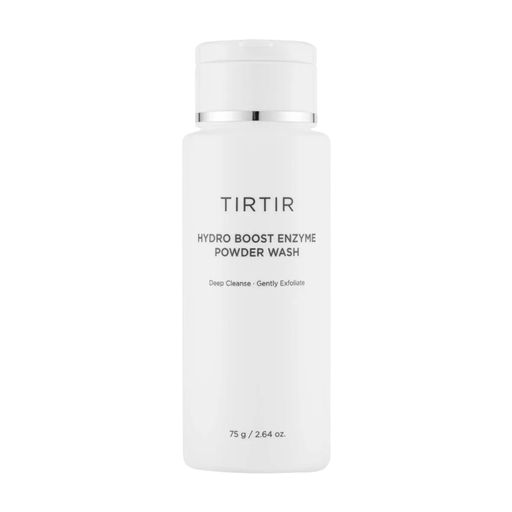
Why this product suits the profile: The powder format can be lathered with water a portion at a time, making it suitable for anyone who wants to combine cleansing and gentle exfoliation in one step.
The amount used is controlled by the quantity of powder required, rather than by a pre-set exfoliating pad or coarse particles. According to the product instructions, it is rinsed off after use.
75 g content; formulated with papain, bromelain, protease, allantoin and glycosides.
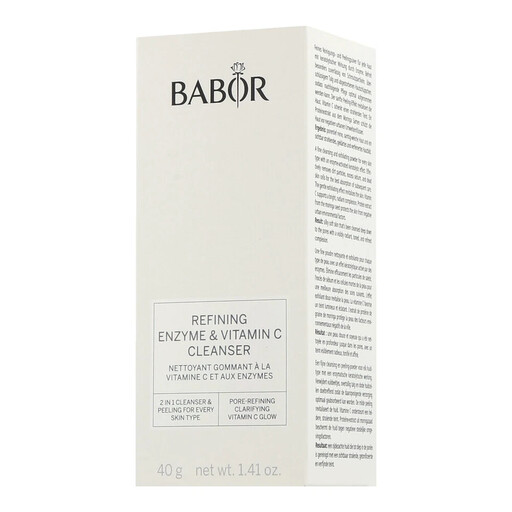
Why this product suits the profile: This 2-in-1 cleanser combines a fine powder with a foaming application step and, according to the product description, is suitable for all skin types.
The recommended contact or massage time of one to two minutes provides a clear application framework. The powder should be stored in a dry place.
40 g content; formulated with papain, lipase, protease, kaolin and ascorbic acid as listed.
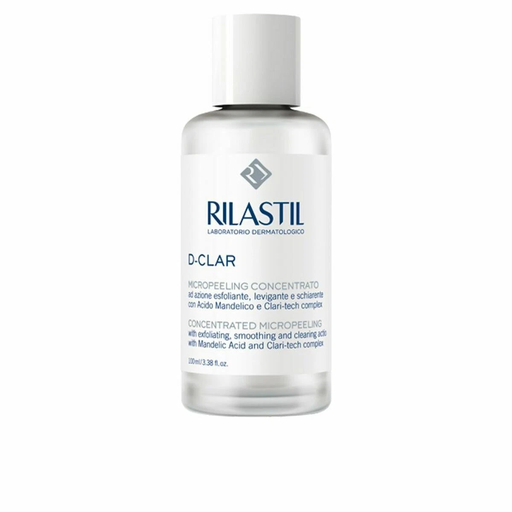
Why this product suits the profile: The leave-on lotion or serum format is designed for a consistent evening routine and can be applied specifically to areas of skin that appear uneven.
The product instructions recommend starting with two to three applications per week. This allows you to monitor how well your skin tolerates it before using it more frequently.
100 ml content; with mandelic acid, niacinamide, hyaluronic acid and 3-O-ethyl ascorbic acid according to the INCI list.
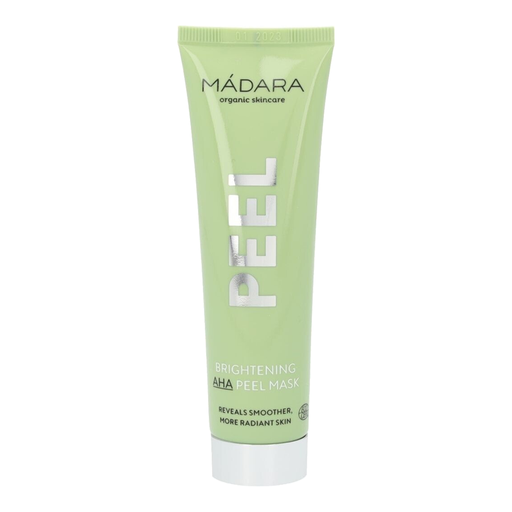
Why this product suits the profile: This rinse-off mask is an interesting option for anyone who prefers a weekly acid exfoliation treatment with a defined contact time.
The product description recommends using it once or twice a week and excludes fragile or very sensitive skin. The usual contact time is five to ten minutes.
60 ml content; with lactic acid, glycerin, fruit extract and elderflower extract according to the product information.
We have put together a complete, regularly updated list of products that fully meet these strict selection criteria and the safety regulations applicable in the EU.
This depends on the product type and your skin type. According to the manufacturer’s instructions, a mild enzyme powder may be used more frequently, while an AHA exfoliator is usually intended for use once to three times a week. If you have sensitive skin, start with less frequent applications. The INCI list, instructions for use and your skin’s reaction remain the key factors.
An exfoliator can care for the outermost layer of skin and make your complexion appear more even. This does not mean that pigmentation can be safely removed or medically treated. Daily UV protection is important; if you notice new, irregular or unusual marks, you should arrange a dermatological examination.
Do not rub vigorously and do not combine several exfoliating products at the same time. Your skin should be clean, but not already compromised. After rinsing, apply a suitable moisturiser. If blemishes persist or become inflamed, a dermatological treatment plan is more appropriate than increasing the frequency of exfoliation.