
Lieferung heute & morgen

Qualitätsgarantie

Willkommens-Angebote freischalten: KOSTENLOSE Lieferung | Bis zu 80 % RABATT | Kostenlose 30-Tage-JoyPlus-Testphase
App herunterladen
A good face gel promises lightweight, refreshing hydration without leaving a greasy residue. But the market is saturated with products whose marketing claims often create more confusion than clarity. Many consumers invest in gels that don't suit their skin type, or even cause new problems like dryness or breakouts. Before you make a decision, it's crucial to understand the most common pitfalls.
The 3 Most Common Mistakes When Buying Face Gel:
To find a suitable face gel that meets your skin's individual needs, you should check three core parameters.
The order of the ingredients indicates their concentration. The first five to seven components make up the bulk of the formulation.
The texture is crucial for the skin feel and suitability for your skin type.
Focus on verifiable properties. Claims like "dermatologically tested" or "hypoallergenic" can be an indicator of good tolerability, especially for sensitive skin types. If a brand advertises study results, such as "48-hour hydration," check whether these claims are based on objective measurements.
Here are some product recommendations tailored to specific user profiles and their skin requirements.
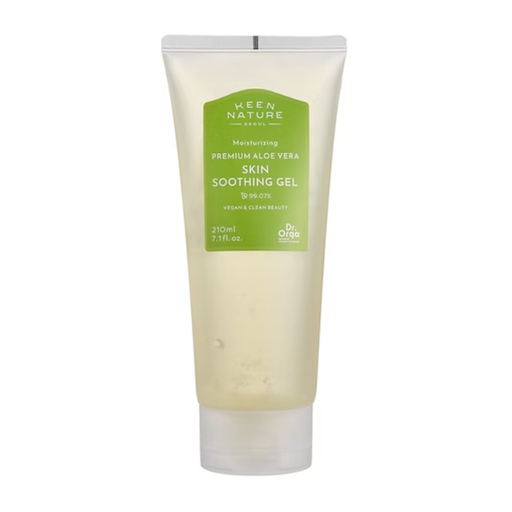
Why This Fits Their Persona: Ideal for users seeking a minimalist yet highly effective moisturiser. The formulation focuses on soothing and hydration without burdening the skin with unnecessary additives.
This gel bypasses the trap of potentially irritating formulas by relying on a very high concentration of a single, proven ingredient: Aloe Vera. It avoids complex blends that often cause reactions in sensitive skin.
According to the manufacturer, the product consists of 82.83% Aloe Vera leaf juice, known for its moisturising and soothing properties. The formula is declared to have 99.078% ingredients of natural origin.
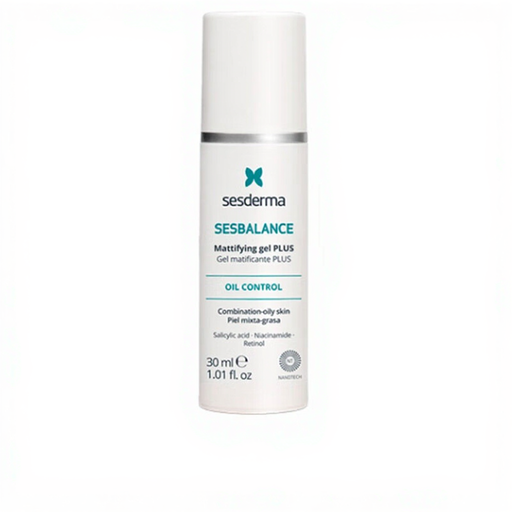
Why This Fits Their Persona: Suitable for individuals seeking a targeted solution for shiny skin and enlarged pores. This gel provides intensive, sebum-regulating care for a mattified complexion.
It avoids the 'oil-free' trap by not just drying out the skin, but by actively working with Niacinamide and Salicylic Acid to balance sebum production and improve skin texture, rather than provoking an overproduction of oil.
The formulation combines sebum-regulating and renewing ingredients like Niacinamide, Retinol, and Salicylic Acid. The lightweight gel texture absorbs quickly and provides a matte finish.
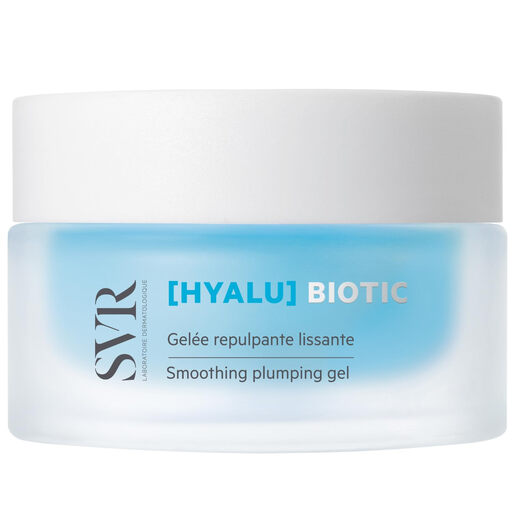
Why This Fits Their Persona: Perfect for users seeking intensive hydration with an anti-aging effect. This gel aims to strengthen the skin barrier and plump up dehydration lines.
It addresses the 'hyaluron hype' directly by using a combination of dual-molecular hyaluronic acid, according to the manufacturer. This indicates a thoughtful formulation for multi-level hydration, rather than just working on the surface.
The formula combines pasteurised probiotics to strengthen the skin barrier, hyaluronic acid for hydration, and stabilised Vitamin C as an antioxidant. According to SVR, it provides 48 hours of moisture.
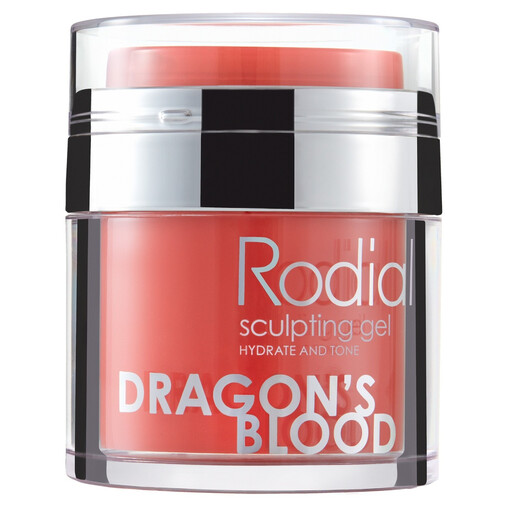
Why This Fits Their Persona: For users seeking an innovative anti-aging treatment with a lightweight texture. The focus is on improving skin firmness and defining facial contours.
This gel goes beyond simple hydration promises. It relies on a complex of ingredients that, according to the manufacturer, forms a 'second skin' to protect and firm, rather than relying on a single trending active.
The formulation with "Dragon's Blood" (resin extract from the Croton Lechleri tree) aims to firm, sculpt, and protect the skin from external aggressors. It is designed to improve skin texture and elasticity.
We've compiled a complete, up-to-date list of products that fully meet these strict selection criteria and German safety regulations.
Yes, a face gel can be used in the winter, especially for oily or combination skin. However, for very dry skin or in cold, dry weather, it may be beneficial to use the gel as a hydrating base and apply a richer cream or face oil over it to provide additional protection for the skin barrier.
The main difference lies in the formulation. A face gel is typically water-based and oil-free, giving it a very light, almost watery consistency. It provides pure hydration. A gel-cream has a hybrid texture that combines the lightness of a gel with a small amount of nourishing lipids or emollients. It feels slightly richer and offers light nourishment in addition to moisture.
In principle, yes. Hyaluronic acid is a humectant that attracts moisture, which benefits every skin type. However, the suitability of a hyaluron gel depends on the overall formulation. People with oily skin will prefer light, oil-free gels, while those with dry skin will benefit from a gel-cream with additional nourishing ingredients that lock moisture into the skin.