
Lieferung heute & morgen

Qualitätsgarantie

Willkommens-Angebote freischalten: KOSTENLOSE Lieferung | Bis zu 80 % RABATT | Kostenlose 30-Tage-JoyPlus-Testphase
App herunterladen
Face make-up should even out your complexion without looking patchy, feeling heavy or disappearing after a short time. But the choice online can be overwhelming: shade names vary between brands, product descriptions often highlight individual benefits and important information may only appear in the full INCI list.
So, if you’re looking to buy foundation, concealer, primer or a make-up palette, don’t focus only on the finish and packaging. Your skin type, undertone, coverage, texture, ingredients and intended use all matter.
Names such as ‘Fair’, ‘Sand’, ‘Honey’ and ‘Porcelain’ aren’t standardised across brands. Shades can also have warm, cool or neutral undertones. A concealer that’s too light can make the under-eye area look grey, while a foundation that’s too warm can make your complexion look orange.
For a more natural match:
Long-wearing make-up may use film-forming agents, powder ingredients or a more adhesive texture. That doesn’t automatically mean it will feel comfortable on dry or sensitive skin, or during a long day at the office. With liquid make-up, it’s also worth considering the consistency: thinner formulas can often be layered, while cream products tend to offer more intense coverage.
Look for specific details about coverage, finish, texture and application. Claims such as waterproof or long-wearing should be understood as product features, not a guarantee that the make-up will perform the same in every everyday situation.
‘For all skin types’ is a broad product claim. It doesn’t automatically take individual sensitivities into account. Fragrances, preservatives, essential oils, certain plant extracts and colourants may matter to some people.
The ingredient list on the packaging is the one to rely on, as formulas can change. If you have sensitive skin, it’s a good idea to test the product cautiously on a small area first. Stop using it if you experience redness, stinging or other discomfort.
For oily or combination skin, matt make-up containing powder may be worth considering. Dry skin often feels more comfortable with a lighter, creamy or hydrating texture. You can create a glowing complexion with a radiant foundation, a glow-finish primer or carefully applied highlighter.
Choose a finish to suit the occasion:
Lightweight products are a good choice if you want to even out your complexion while letting your skin show through. Higher coverage can do more to conceal redness or uneven areas, but applying too much can quickly look mask-like. Primers can smooth the skin’s surface and prep it for make-up, but they’re no substitute for suitable skincare.
For application:
Contouring usually uses more matte shades to create shadows. Bronzer, by contrast, adds warmth to areas of the face you want to look sun-kissed. A highlighter adds points of light to the cheekbones, bridge of the nose or inner corners of the eyes.
For a controlled result, pick up a small amount of product at a time and blend thoroughly. A make-up palette with several finishes can be handy if you want both matte and shimmery accents.
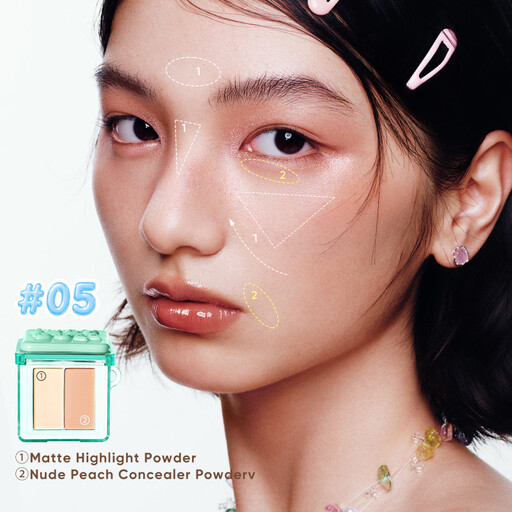
Why this product suits these needs: This compact two-in-one palette combines contour and highlighter powders, so it takes up very little space. It’s a good option if you’re just starting to explore face sculpting.
Matte and shimmery finishes are kept separate in one compact product. The powder texture, described as buildable, can be applied gradually.
Compact size, two functions and a finely milled powder texture with matte and shimmery shades.
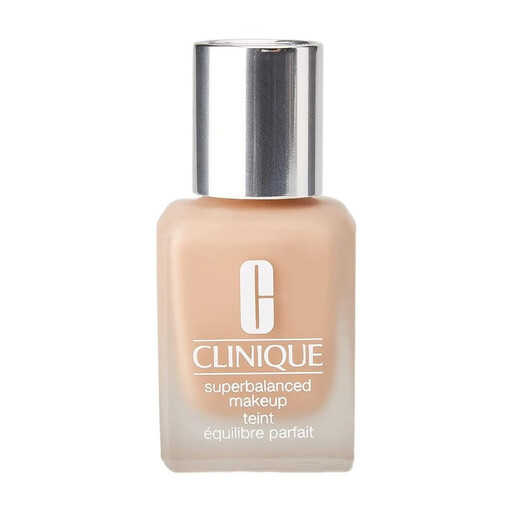
Why this product suits these needs: According to the product information, this liquid foundation is suitable for dry, oily and combination skin, offering medium coverage with a natural finish.
The product description clearly states the shade, coverage, consistency and finish. It also describes the formula as fragrance-free and allergy-tested.
Liquid texture, medium coverage, natural finish and a clearly stated shade: CN62 Porcelain Beige.
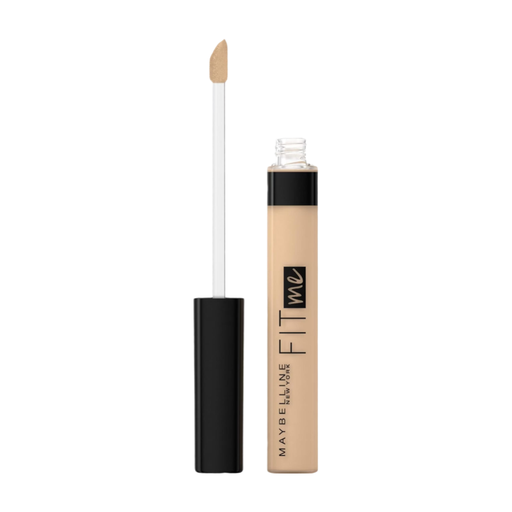
Why this product suits these needs: This liquid concealer is designed for targeted touch-ups around the eyes and for covering redness and minor imperfections. Its built-in applicator helps you apply it precisely.
The product information specifies buildable medium coverage, an oil-free formula and a natural matte finish. This makes it easier to control how much product you apply.
Buildable medium coverage, a liquid texture and a built-in applicator for targeted application.
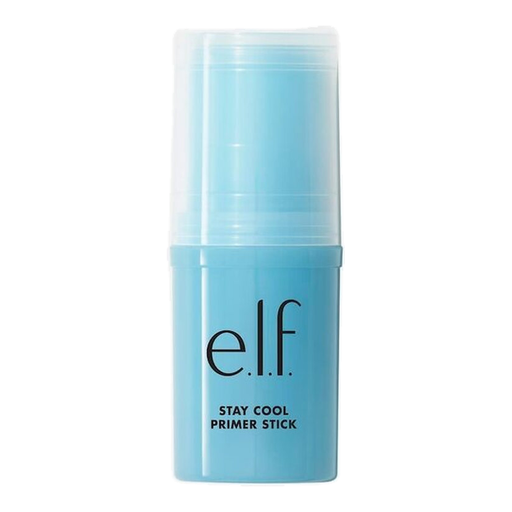
Why this product suits these needs: This stick-format primer is a good choice if you want a compact base to take with you and prefer a lightweight, cooling gel texture under your make-up.
The product details clearly state its texture, weight, use and intended audience. This makes it easier to decide before you buy whether a stick is more practical than a liquid primer.
17 g, stick format, lightweight gel texture and, according to the product information, aloe and coconut water.
We’ve put together a complete, regularly updated list of products that meet these strict selection criteria and fully comply with the safety regulations in force in the EU.
Compare several shades where your face meets your neck, and check them in natural light. As well as how light or dark the shade is, its undertone and finish matter too. When shopping online, consider the shade name, product images and available shades together.
Foundation evens out your complexion over a larger area. Concealer is usually applied to specific areas, such as under the eyes or over redness and uneven patches. For a natural look, a thin layer of foundation is often enough, with concealer added only where needed.
Check the open-jar symbol, the best-before date and the manufacturer’s instructions on the packaging. Don’t continue using liquid products if their smell, colour or consistency has changed. Powder products may last longer, but should be stored in a dry place and used with clean brushes or sponges.