
Lieferung heute & morgen

Qualitätsgarantie

Willkommens-Angebote freischalten: KOSTENLOSE Lieferung | Bis zu 80 % RABATT | Kostenlose 30-Tage-JoyPlus-Testphase
App herunterladen
Choosing the right face makeup can quickly become overwhelming. With countless products all promising a flawless result, it's easy to lose track and fall for typical marketing traps. Many users invest in products that don't suit their skin type or whose advertised effects prove to be short-lived. This guide will help you understand the crucial criteria to find products that truly meet your needs.
Before we dive into the key parameters, let's highlight three common problems that often lead to disappointment and unnecessary spending:
To avoid these pitfalls, you should focus on objective product features. The following three parameters are crucial for a successful and long-lasting makeup application.
The base of your makeup determines its longevity. Primer and foundation should be compatible with each other. There are three main types:
Pro Tip: Combine products with the same base. A water-based foundation can repel a silicone-based primer, leading to unwanted pilling.
The finish determines the final look of your complexion. Here are the key distinctions:
The choice depends on your skin type and personal preference. A bronzer can also be matte or shimmery, depending on whether it's used for contouring (matte) or for a sun-kissed glow (shimmery).
The intensity of complexion products is another important factor.
For products like blush or bronzer, buildable pigmentation is often more advantageous as it allows for more control during application and is more forgiving of mistakes.
Based on the criteria above, we have identified some products that are well-suited for specific needs and user profiles.
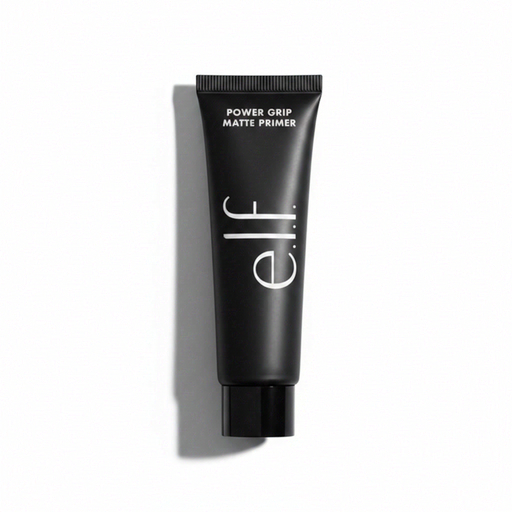
Why this product is a good fit: This primer is specifically designed to extend makeup wear while providing a matte finish. Its gel-like texture is ideal for skin types prone to excess shine.
It debunks the "for all skin types" myth by offering a targeted solution for oily skin. The formula with silica helps absorb excess oil instead of just vaguely promising "pore refinement."
The grippy gel texture ensures strong makeup adhesion and a shine-free, matte finish.
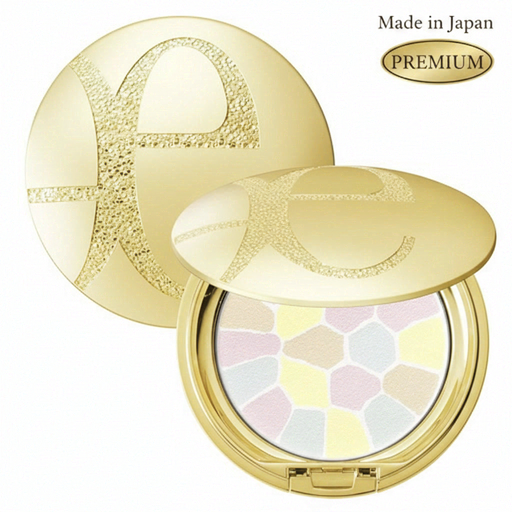
Why this product is a good fit: This finishing powder is for users who want to give their makeup a luminous yet refined finish without completely mattifying it. It is suitable for setting and refreshing.
It's transparent about its function: providing a luminous finish and visually softening the appearance of pores, rather than promising to eliminate them. Since it offers only a light cosmetic correction, the risk of a mismatched undertone is low.
The blend of five pastel colours creates a bright, clear complexion that doesn't look flat or dull. The compact case with an applicator is practical for on-the-go.
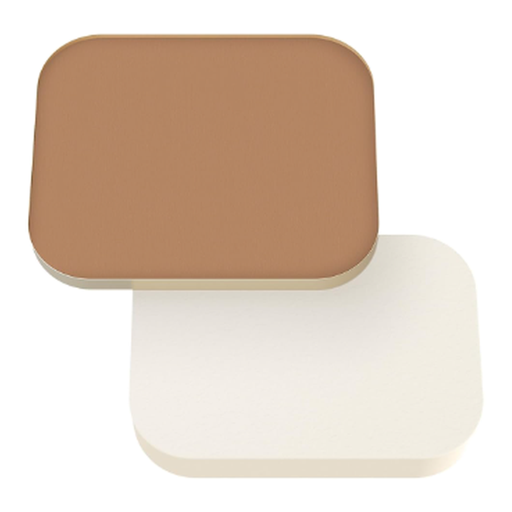
Why this product is a good fit: This product combines the coverage of a liquid foundation with the easy application of a powder. It's a practical 2-in-1 solution, ideal for everyday use or for users who prefer a simple routine.
It directly addresses the undertone trap, as the manufacturer states it's available in various shades with warm, cool, and neutral undertones. This makes it easier to select the right colour and minimises the risk of a bad buy.
Offers a matte finish with high coverage and integrated SPF 20. The refillable packaging is also a sustainable option.
We have compiled a complete, up-to-date list of products that fully meet these strict selection criteria and applicable regulations.
The easiest way is the "vein test" on your wrist. Bluish-purple veins indicate a cool undertone. Green veins point to a warm undertone. If you can't clearly identify the colour, you likely have a neutral undertone. Many brands specify the undertone in the product description (e.g., "C" for Cool, "W" for Warm, "N" for Neutral).
A primer is not mandatory, but it can offer significant benefits. It creates a smooth base, can extend the wear of your makeup, and address specific skin concerns like shine or redness. If you are happy with the longevity and appearance of your foundation, you can skip it. However, for special occasions or with challenging skin conditions, it is a worthwhile addition.
A "cakey" or "chalky" appearance is often caused by too much product or dry skin. Use a large, fluffy brush instead of a puff for a lighter application. Focus only on the areas that tend to get shiny (e.g., the T-zone). A hydrating setting spray after powdering can also help the powder meld with the skin and achieve a more natural finish.