
Lieferung heute & morgen

Qualitätsgarantie

Willkommens-Angebote freischalten: KOSTENLOSE Lieferung | Bis zu 80 % RABATT | Kostenlose 30-Tage-JoyPlus-Testphase
App herunterladen
A face mask for blemish-prone skin can complement your skincare routine, but it is no substitute for dermatological treatment. The key is whether the mask targets excess sebum, dry patches, visible pores or feelings of tightness. If you buy based only on terms such as ‘for spots’, ‘detox’ or ‘pore refining’, you may overlook important details.
A very powerful charcoal face mask, a clay face mask or an exfoliating mask can absorb excess oil from the skin. However, frequent use or use on sensitive skin may leave your skin feeling dry or tight. A clarifying face mask should therefore suit your skin’s needs, rather than being left on for as long as possible.
‘Glow’, ‘Poreless’ or ‘Acne Care’ doesn’t tell you how to use a product. Check the full ingredients list on the product and look for familiar ingredients such as salicylic acid, kaolin, bentonite, glycerin or niacinamide. If you have sensitive skin, it’s best to introduce products containing fragrance, essential oils or alcohol with care.
A sheet face mask, sheet mask, Korean face mask or Japanese face mask shouldn’t automatically be left on until the material is completely dry. Follow the manufacturer’s instructions, which usually recommend leaving it on for between five and 20 minutes. Dispose of the sheet after use; depending on the product, you can gently pat in the remaining essence or rinse it off.
Kaolin and bentonite are typical absorbent ingredients in a clay face mask. A charcoal face mask often also contains charcoal powder and may be worth considering if you have oily or combination skin. Salicylic acid helps to exfoliate dead skin cells, but it may feel uncomfortable on sensitive or irritated skin.
For dry skin, humectants such as glycerin, betaine or hyaluronic acid are worth looking for. Rice extracts and rice derivatives are used in several Japanese products. Claims such as ‘soothes’, ‘smooths’ or ‘refines’ should be understood as descriptions of cosmetic skincare benefits, not promises to treat a condition.
Single sheet masks are handy for trying a product or for occasional use. Packs of 10 or 30 can be more practical if you use masks regularly, but only if you know your skin tolerates the formula well. For tubs containing 110 g, 120 g or 300 g, it’s also important to take care when dispensing the product. Close the lid and seal after each use, and follow the storage instructions on the packaging.
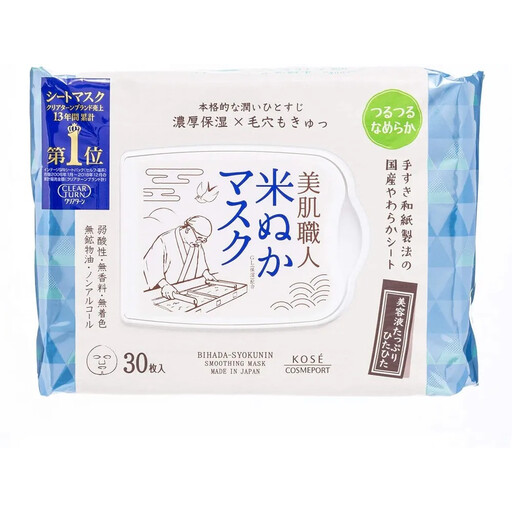
Why this product suits this profile: This pack of 30 sheet masks is a good choice if you’re looking for a simple, regular moisture boost and prefer having plenty of individual applications.
The product details describe a mildly acidic formula with no added colourants, fragrance, mineral oils or alcohol. The recommended application time is around 10 minutes.
30 sheet masks, rice extract and a generous amount of essence, according to the product description.
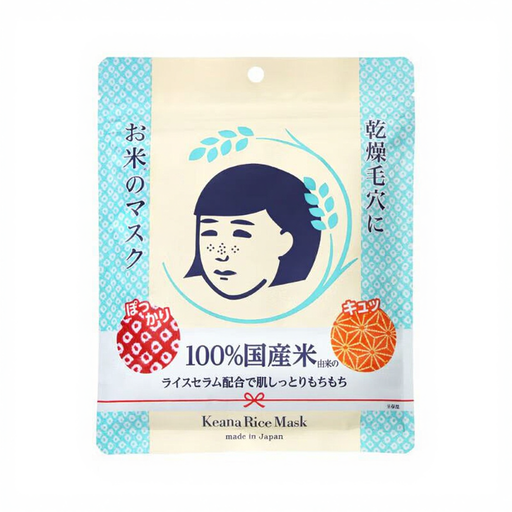
Why this product suits this profile: This Japanese sheet mask is aimed at people with dry, textured skin who prefer a richer essence and a close-fitting sheet.
The ingredients list includes four rice derivatives, including rice ferment, rice germ oil and ceramide ingredients. This makes it easier to see how the formula matches your goal of keeping skin hydrated.
Pack of 10, thick sheet and rice-based essence, according to the product details.
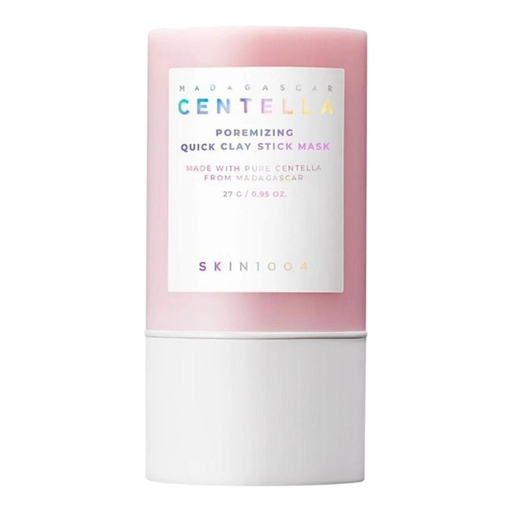
Why this product suits this profile: The stick format is handy for targeting shiny or congested-looking areas of the face, and suits anyone who prefers a clay mask that rinses off.
You can limit application to specific areas. Kaolin and bentonite are explicitly listed in the product details, making its skincare approach clearer than products described only with marketing terms.
27 g stick, kaolin and bentonite, plus Centella asiatica extract, according to the product description.
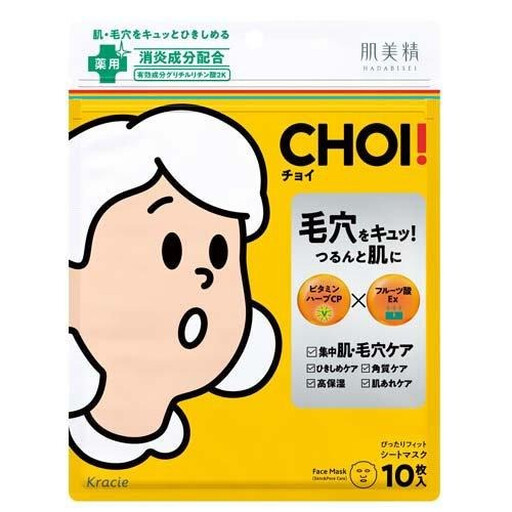
Why this product suits this profile: This pack of 10 is designed for use several times a week and may appeal if you’re looking for a sheet mask containing salicylic acid.
The product description lists salicylic acid and a formula free from fragrance and pigments. If you have sensitive skin, it’s still a good idea to patch test before applying it to a larger area.
10 sheet masks, salicylic acid and dipotassium glycyrrhizate, according to the product details.
We’ve put together a complete, regularly updated list of products that meet these strict selection criteria and fully comply with the safety regulations in force in the EU.
If you have inflamed, painful or persistent skin changes, seek a dermatological assessment. Cosmetic products are not intended to diagnose or treat skin conditions.
It depends on the formula. According to the manufacturer’s instructions, sheet masks with a hydrating essence can be used several times a week. Clay, charcoal or salicylic acid masks are often recommended once to three times a week. Always follow the directions on the packaging and take your skin’s individual tolerance into account.
Individually wrapped sheet masks should be used immediately after opening. For multi-use packs, keep the lid, seal and opening clean. Check the best-before date, the period-after-opening symbol and the manufacturer’s instructions. If the smell, colour or consistency changes, stop using the product.
A clay- or charcoal-based pore-refining mask may leave dry skin feeling even tighter. If you have dry skin, a shorter application time, use only on the T-zone or choosing a moisturising face mask is often a better option. The formula, how your skin feels and how it reacts after use are what matter.