
Lieferung heute & morgen

Qualitätsgarantie

Willkommens-Angebote freischalten: KOSTENLOSE Lieferung | Bis zu 80 % RABATT | Kostenlose 30-Tage-JoyPlus-Testphase
App herunterladen
The market for facial care is vast, and the sheer variety of face masks can quickly become overwhelming. From Korean sheet masks to luxurious anti-aging cream masks, every product promises visible results. However, not every mask delivers on its promises. Many consumers invest in products that are unsuitable for their skin type or contain only trace amounts of their advertised active ingredients.
This guide will help you separate marketing hype from fact. We'll show you the crucial features to look for to find a face mask that truly meets your skin's needs and helps you avoid poor investments.
Before you make a decision, you should be aware of the most common marketing traps that often lead to disappointment.
To make the right choice, focus on objective, verifiable features instead of marketing claims.
The International Nomenclature of Cosmetic Ingredients (INCI) lists all components of a product in descending order of their concentration.
The type of mask and the material of a sheet mask determine how the essence is delivered to the skin and what the application experience feels like.
Look for ingredients that are proven to help with your specific skin concern.
Here are some product recommendations tailored to specific needs and user profiles that meet the criteria mentioned above.
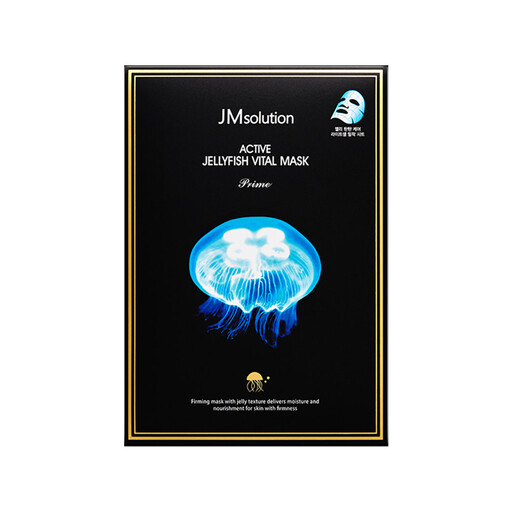
Why This Fits Their Persona: Ideal for those seeking a straightforward yet highly effective moisture treatment. The mask delivers an intense hydration boost and is perfect for dehydrated skin or as a weekly pampering ritual. The 10-pack also offers great value for regular use.
This mask bypasses the "miracle ingredient" trap by focusing on proven hydrators like glycerin, jellyfish extract, and three types of hyaluronic acid, all listed prominently on the INCI list.
The lightweight sheet mask adheres well to the skin, ensuring effective delivery of the essence. It leaves the skin feeling noticeably plumper and more hydrated, ideal as a mask for dry skin.
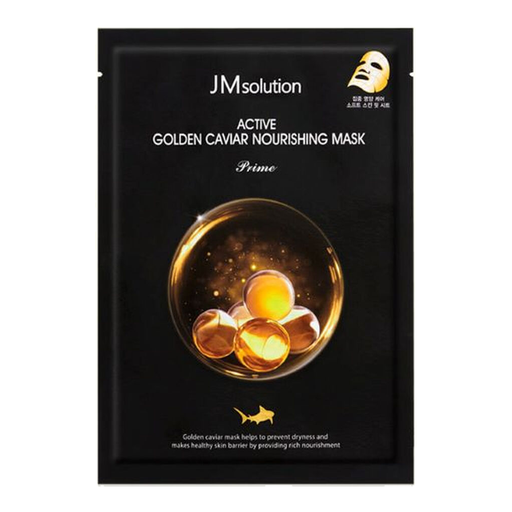
Why This Fits Their Persona: This mask is aimed at users who want to specifically target signs of aging, such as fine lines and loss of firmness. The formulation with caviar extract and gold is designed for a nourishing and firming effect.
Instead of being a generic "all-in-one" solution, this is a targeted anti-aging mask. The active ingredients are tailored to the needs of more demanding skin and formulated in a rich, gel-like essence.
Contains caviar extract, which is rich in amino acids and omega fatty acids, as well as hyaluronic acid for hydration. The formula supports skin elasticity and deeply nourishes the skin.
We have compiled a complete, up-to-date list of products that fully meet these strict selection criteria and German safety regulations.
The frequency of use depends on the mask type and your skin condition. Hydrating sheet masks can easily be used 2–3 times a week, or more often if needed. Clarifying masks (e.g., with clay) or those with exfoliating acids should be used more sparingly, about once a week, to avoid irritating the skin.
No, it is generally recommended to gently pat or massage the remaining essence into the skin after removing the sheet mask. The serum contains the valuable active ingredients, and massaging it in maximizes their absorption. Washing it off would negate the effect. Wait until the serum is absorbed before applying your subsequent skincare (e.g., a moisturizer).
Not necessarily. The price of a mask is influenced by many factors, including brand image, packaging, and marketing costs. The effectiveness depends solely on the quality and concentration of the ingredients and the formulation. An affordable hyaluron mask with a good concentration of active ingredients can be more beneficial for your skin than a luxurious but poorly formulated mask. Always check the INCI list to assess the true value of a product.