
Lieferung heute & morgen

Qualitätsgarantie

Willkommens-Angebote freischalten: KOSTENLOSE Lieferung | Bis zu 80 % RABATT | Kostenlose 30-Tage-JoyPlus-Testphase
App herunterladen
The facial care market is vast, and the sheer variety of face masks can quickly become overwhelming. Many products promise rapid results, but not all of them live up to their marketing claims. As your Joybuy Product Recommendation Officer, I'll help you identify the key features, avoid common purchasing traps, and make an informed decision for your skin.
Before we dive into solutions, it's crucial to understand the most common marketing promises that often lead to disappointment.
To buy the right face mask, you should focus on objective criteria tailored to your individual skin needs.
The base of a mask determines how the active ingredients are delivered to the skin and how it feels upon application.
Instead of being dazzled by a single ingredient, look for a thoughtful combination of active ingredients aligned with your goals.
Here are some product recommendations tailored to specific user profiles and their needs.

Why it's a great fit: Ideal for those whose skin is prone to redness and irritation. The lightweight water-gel texture doesn't feel heavy and delivers a concentrated dose of soothing ingredients without clogging pores. Perfect as an SOS treatment after a stressful day or for environmental skin irritation.
This product avoids the "star ingredient" trap, as Centella Asiatica Extract is the main ingredient at 51%, not just a marketing gimmick at the end of the INCI list.
The high concentration of Centella Asiatica provides an intense soothing effect. The water-gel texture ensures a pleasant cooling sensation and excellent adherence.
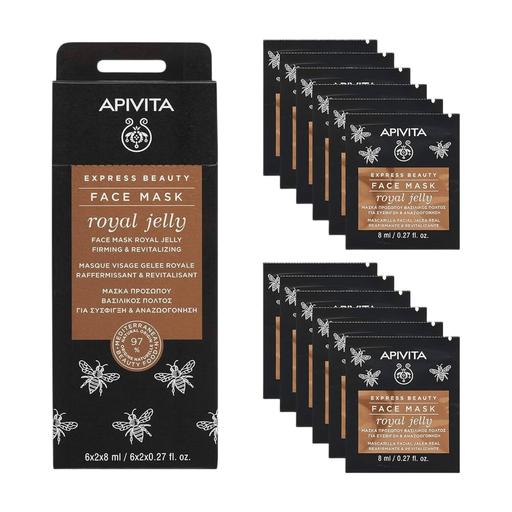
Why it's a great fit: For users seeking rich nourishment to support skin firmness and vitality. The creamy texture intensely nourishes the skin and is perfect as a weekly ritual to regenerate the skin and leave it feeling supple.
This mask doesn't rely on a temporary "instant effect." It combines Royal Jelly for revitalization with Date Extract and Hyaluronic Acid to provide lasting nourishment and improve skin's suppleness.
The rich formulation with Greek thyme honey, olive oil, and shea butter offers comprehensive nourishing and regenerating care that goes beyond simple hydration.
We have compiled a complete, up-to-date list of products that fully meet these strict selection criteria and current regulations.
1. How often should you use a face mask? The frequency of use depends on the mask type and your skin condition. Hydrating and soothing masks can be used 2-3 times a week, or more often if needed. More potent masks, such as clarifying clay masks or those with active acids, should be used less frequently, about once a week, to avoid overwhelming the skin. Always follow the manufacturer's recommendations.
2. Do you need to wash your face after a sheet mask? Typically, no. The serum remaining on the skin after removing the mask is rich in active ingredients. It is recommended to gently pat or massage the residue into the skin until it is fully absorbed. You can then complete your skincare routine with a moisturiser to lock in the benefits.
3. What is the difference between a sheet mask and a hydrogel mask? The main difference is the material. A sheet mask is made of a non-woven fabric (e.g., cotton) soaked in serum. A hydrogel mask is made of a gel-like polymer that contains the active ingredients itself. Hydrogel masks often adhere better to the skin, have a cooling effect, and can slowly "melt" with body heat, continuously releasing their ingredients. They are less prone to drying out during application than many basic sheet masks.