
Lieferung heute & morgen

Qualitätsgarantie

Willkommens-Angebote freischalten: KOSTENLOSE Lieferung | Bis zu 80 % RABATT | Kostenlose 30-Tage-JoyPlus-Testphase
App herunterladen
A face mask can complement your skincare routine, but it doesn't replace proper cleansing or dermatological treatment. If you're looking to buy a sheet mask, clay mask or hydrogel mask, you shouldn't just focus on terms like 'glow', 'detox' or 'pore refining'. What really matters is your skin type, the ingredients, the pack size and how you actually use it.
Labels like anti-acne mask, 'brightening face mask' or 'pore-cleansing mask' often describe the intended skincare goal, but they aren't proof of a medical effect. A mask can temporarily leave skin feeling hydrated, refreshed or matte. Claims about treating acne, inflammation or pigmentation, however, should be viewed with particular caution.
A clay or charcoal mask can be appealing for oily or blemish-prone skin. On dry or sensitive skin, however, a highly absorbent formula may cause a feeling of tightness. Conversely, a lightweight sheet mask may not be sufficient as a standalone treatment for excessive shine.
A single pack may look cheaper at first glance than a supply of 30 or 40 sheets. For a true price assessment, though, it's the price per use that counts. Large packs are worthwhile mainly if you use the mask regularly and can store it hygienically after opening, following the instructions on the packaging.
A sheet mask is usually made from cotton, cellulose or a similar carrier material. It is typically used once and soaked in essence. A hydrogel mask sits more closely to the skin and may change texture during the application time depending on the product.
A wash-off mask, on the other hand, is more economical. With a pore-cleansing mask made from kaolin, bentonite or activated charcoal, you should stick to the recommended application time. Allowing it to dry out completely isn't comfortable for every skin type. Stick formats allow for a sparing, targeted application on the forehead, nose or chin.
Check the full INCI list on the packaging, as formulations can be adjusted. For a Korean face mask or Japanese face mask, the product information for the specific item is what counts. Particularly with salicylic acid, essential oils, fragrance or alcohol, it's advisable to test on a small area of skin.
Most sheet masks are applied after cleansing for around 10 to 20 minutes. A longer application time doesn't automatically mean better skincare. After removing the mask, you can gently pat in any remaining essence, unless the product instructions say otherwise.
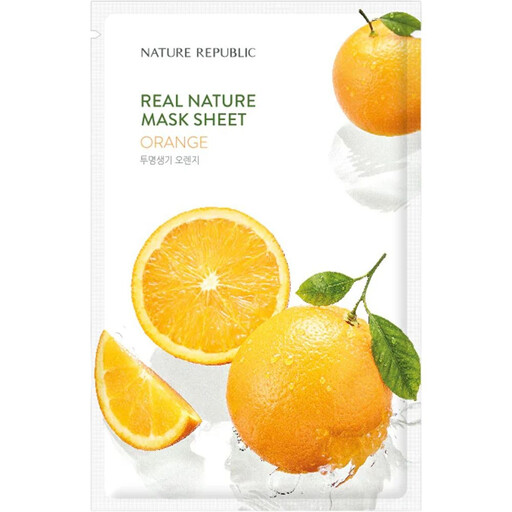
Why this product suits the profile: A single cotton sheet mask with glycerin, panthenol and orange extract is ideal for straightforward hydration and refreshing care.
The product description states the application time, material and ingredients; fragrance is listed in the INCI and should be considered for sensitive skin.
Single use, cotton material and a straightforward skincare focus on hydration and refreshment.
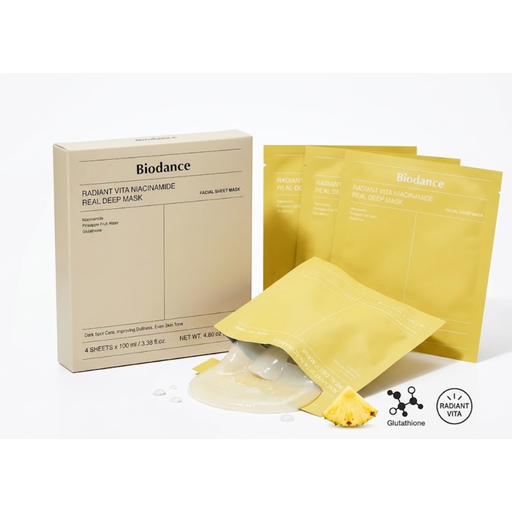
Why this product suits the profile: The hydrogel mask is aimed at those looking for a close-fitting texture and a formula with niacinamide, panthenol, centella asiatica and sodium hyaluronate.
The pack contains 4 masks, each weighing 34 g. This makes the price per use easy to calculate before purchase.
Hydrogel material, pack of 4 and a stated application time of 15 to 20 minutes.
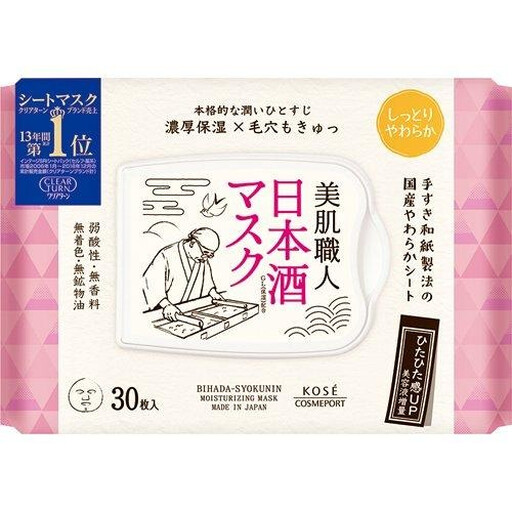
Why this product suits the profile: The 30-sheet supply is designed for regular use and suits those who prefer a Japanese face mask in a larger pack.
The high sheet count makes the price per use transparent. As it contains alcohol and fragrance, individual tolerance should be checked before frequent use.
30 individual sheet masks, a Japanese product line and a short stated application time of 10 to 15 minutes.
We've put together a full, regularly updated list of products that fully meet these strict selection criteria and the safety regulations in force in the EU.
A face mask for sensitive skin should first be tested on a small area. Extra caution is needed with products containing acids, fragrances or essential oils. A mask should also not be seen as a replacement for sun protection or a personalised basic skincare routine.
That depends on the product type and your skin's tolerance. Hydrating sheet masks are often used once or several times a week. Clay, charcoal or acid-based masks should generally be used less frequently. The instructions on the packaging are what matter most.
Unopened products can be used until the printed best-before or expiry date. After opening, follow the manufacturer's guidelines. Individual sheet masks are intended for single use; opened multi-packs should be sealed tightly and stored according to the storage instructions.
For single masks, the product price is usually the same as the price per use. For packs of 4, 5, 10, 30 or 40 sheets, divide the total price by the number of sheets. With wash-off masks, the actual amount used also depends on how much you apply.