
Lieferung heute & morgen

Qualitätsgarantie

Willkommens-Angebote freischalten: KOSTENLOSE Lieferung | Bis zu 80 % RABATT | Kostenlose 30-Tage-JoyPlus-Testphase
App herunterladen
Face masks are a straightforward addition to your daily skincare routine. Yet the vast selection of sheet masks, hydrogel masks and wash-off formulas doesn't automatically lead to the right purchase decision. All too often, products are chosen based on eye-catching claims, when your skin type, the ingredients list and the recommended application time are far more important.
Labels like "Glow", "Anti-Ageing" or "Brightening" usually describe the desired cosmetic effect, but they are not a promise of a permanently transformed complexion. A hydrating face mask can temporarily make your skin feel more supple. A collagen mask may contain collagen or collagen-related ingredients, but it won't replace a comprehensive skincare routine.
So pay attention to the actual INCI list and learn to distinguish between verifiable details such as pack size, material and application time, and purely promotional wording.
Even a face mask described as universal can contain fragrances, essential oils or certain plant extracts. If you have dry or sensitive skin, it's worth checking for potential fragrance allergens such as Limonene, Linalool or Citronellol. For skin prone to blemishes, rich or heavily perfumed formulas may be individually unsuitable.
A patch test on a small area of skin before first use can be helpful. If you experience burning, itching, swelling or persistent redness, remove the product and do not use it again.
A sheet mask should not generally be left on the face longer than stated on the packaging. If the material dries out excessively, the experience can become uncomfortable. Wash-off clay or kaolin masks usually only need a few minutes. A hydrogel mask sits differently on the skin and often has a longer recommended wear time.
Sheet masks are often made from cotton, cellulose, viscose or Tencel. Important factors are a good fit, even saturation and a material that doesn't tear easily. Hydrogel masks usually adhere differently to classic sheet masks and are often supplied as two separate face pieces.
A dry press mask like the Dr. Schiller Party SOS Hydrating & Soothing Dry Mask, on the other hand, initially contains no liquid skincare. Before use, it is soaked with toner, essence or serum. This means you decide which liquid to use. It's practical for travel, but requires a clean bowl or hand and a suitable liquid skincare product.
Single masks are ideal for trying out a product or for occasional use. Multi-packs and tubs containing 30 or 50 sheets can be more economical for regular use, but should be sealed tightly after opening and stored according to the packaging.
Also check:
After the mask, a light cream or lotion can be applied if your skin needs extra care. The mask should not be reused.
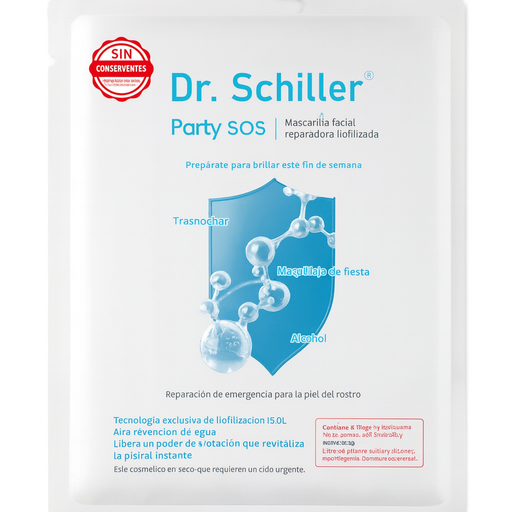
Why this product fits the profile: The single dry cellulose/cotton mask is suitable for occasional use and travel. Toner, essence or serum can be chosen individually.
The product description clearly states that no liquid active ingredients are included. This makes the composition of the skincare used transparent and not solely dependent on marketing text.
Dry single-dose format, 10–15 minutes application time and individually selectable carrier liquid.
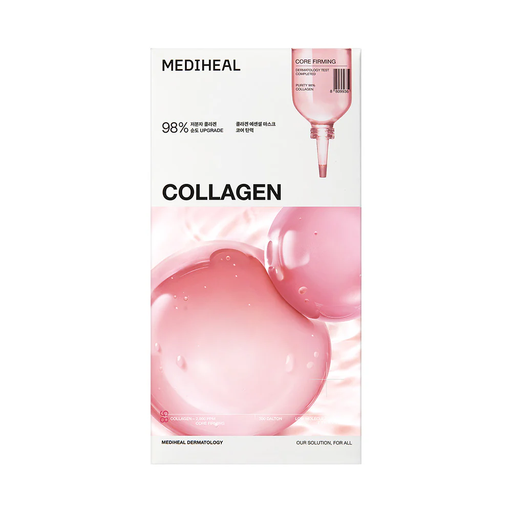
Why this product fits the profile: The set contains ten individually applied sheet masks with collagen and hyaluronic acid according to the product information. It suits a planned skincare routine several times a week.
The pack size and recommended application time of 10–20 minutes are clearly stated. Buyers can better match the supply and usage to their own routine.
10-sheet pack and a formula with collagen and hyaluronic acid according to the product description.
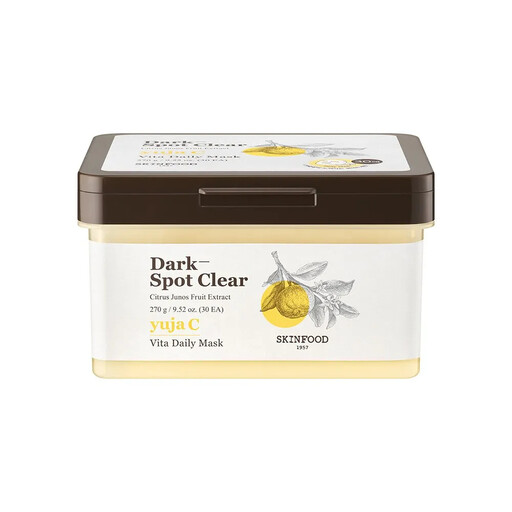
Why this product fits the profile: According to the product description, the pack contains 30 sheet masks with yuja extract, niacinamide and a vitamin C derivative. It is designed for regular, short applications.
The ingredients list names essential oils and limonene alongside the desired skincare components. This makes it easier to make an informed decision if you have sensitive skin.
30 sheet masks, a short stated application time of 5 minutes, and niacinamide plus a vitamin C derivative in the INCI list.
We have compiled a complete, regularly updated list of products that fully meet these strict selection criteria and the safety regulations in force in the EU.
This depends on the product type, your skin type and the manufacturer's instructions. Hydrating sheet masks are often used once or several times a week. Clarifying clay or charcoal masks should generally be used less frequently. If you have sensitive skin, it's wise to start cautiously with one application per week.
Many sheet masks are applied for around 10 to 20 minutes. Some products, like the SKINFOOD Yuja C Vita Daily Mask, may have a shorter application time according to the product information. Always follow the packaging. A mask should not be left on until it has completely dried out.
Not every face mask suits every skin type. Dry skin benefits more from hydrating ingredients, while oily or combination skin can work well with a clay or charcoal mask. Fragrances, essential oils and certain acids can be problematic for sensitive or irritated skin. The current INCI list on the packaging and a patch test offer better guidance than general advertising claims.