
Lieferung heute & morgen

Qualitätsgarantie

Willkommens-Angebote freischalten: KOSTENLOSE Lieferung | Bis zu 80 % RABATT | Kostenlose 30-Tage-JoyPlus-Testphase
App herunterladen
A face mask can be a great addition to your skincare routine, provided the texture, ingredients and wear time suit your complexion. The options range from a hydrating face mask and sheet mask to an overnight face mask. Marketing buzzwords like “glow”, “lifting” or “intensive care” don’t tell you much about whether a product will actually work for you day to day.
Collagen, hyaluronic acid, ceramides or peptides certainly sound impressive. What really matters, though, is the full INCI list, the product type and how it’s meant to be used. A collagen face mask, for example, may be formulated mainly to give your skin a smooth feel and extra hydration. That doesn’t mean it can deliver a lasting cosmetic lifting effect.
Claims like “up to 48 hours of hydration” should be taken as the manufacturer’s statement. How your skin actually feels will depend on factors such as your skin condition, the climate and the products you use afterwards.
A sheet mask shouldn’t be worn for longer than the recommended time. If the fabric dries out too much, it can feel uncomfortable. An overnight face mask, on the other hand, is specifically designed as a leave-on product and is removed in the morning according to the instructions.
If your mask contains active ingredients like lactic acid or retinyl palmitate, it’s worth being extra careful. If you’re already using an exfoliant or another product with similar ingredients, there’s no need to layer them unnecessarily.
“Natural” doesn’t automatically mean gentle. Essential oils, perfume, propolis, honey, beeswax or certain plant extracts may not suit everyone. If you have sensitive skin, it’s a good idea to check the INCI list and do a small patch test on an inconspicuous area first.
For dry or dehydrated skin, look for formulations containing glycerin, panthenol, hyaluronic acid, beta-glucan or ceramides. A face mask for dry skin should also leave a comfortable, non-tightening finish. Oils, butters or silicone-based ingredients can make the skin feel smoother, depending on the formula.
If you have sensitive skin, shorter, simpler INCI lists are often easier to assess. A ceramide mask could be a good choice if supporting your skin barrier is a priority. For mature skin, many people look for an anti-ageing face mask. Here, it’s worth distinguishing between an immediate cosmetic effect – like a smoother feel – and long-term claims that can’t be guaranteed.
Not every leave-on product is designed for overnight use. Always follow the instructions on the packaging and product page.
Don’t just compare millilitres or grams – also consider how often you’ll use the product. Five individual sheet masks can be more practical for occasional use than a large pot, especially if you prefer a hygienic single dose. Also check the batch number, shelf life or PAO symbol, manufacturer details and any warnings. Cosmetic products sold in the EU must comply with the relevant cosmetics regulations, but that doesn’t guarantee they’ll suit your skin.
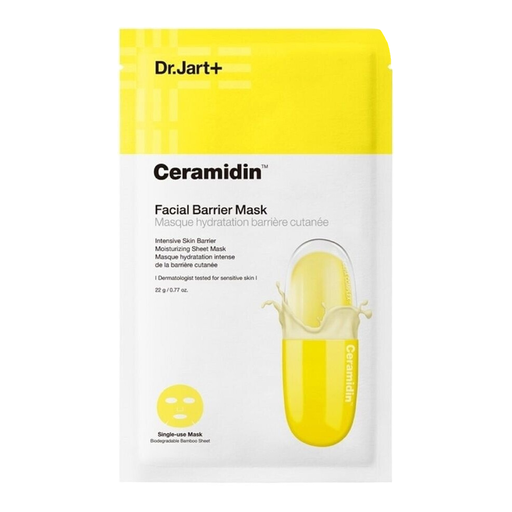
Why this product fits the profile: According to the product details, this Korean sheet mask is designed for dry and dehydrated skin and is intended for a short, clearly defined application.
The recommended wear time of 15 to 20 minutes reduces the risk of leaving the sheet mask on your skin for too long.
Ceramide NP, glycerin and panthenol are listed in the INCI; the format is a ready-to-use single dose.
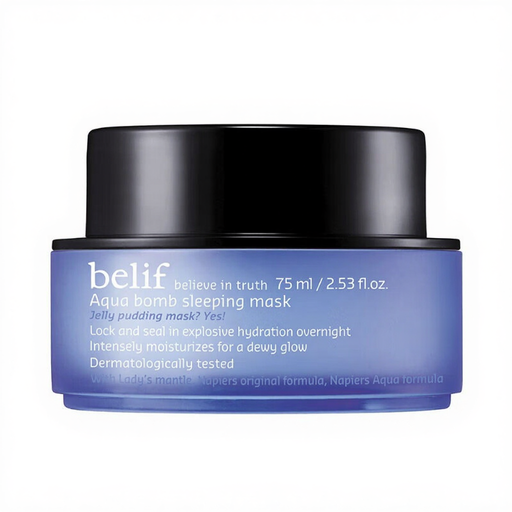
Why this product fits the profile: The overnight application with 75 ml is ideal for anyone who prefers a regular evening treatment rather than a single-use dose.
The instructions recommend using it two to three times a week and rinsing it off in the morning. This clearly distinguishes it from a sheet mask.
Panthenol, jojoba oil and several plant extracts are listed. Note the presence of fragrance and declared fragrance allergens.
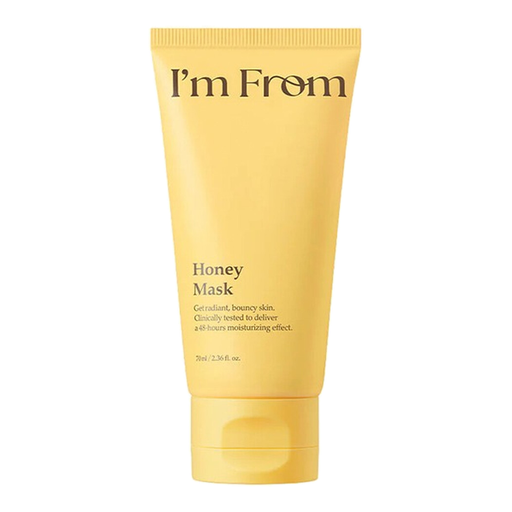
Why this product fits the profile: The application takes around 15 minutes and, according to the description, can be extended to up to an hour. That suits a relaxed skincare routine at home.
The formula and instructions explicitly mention propolis and bee venom. Anyone with relevant allergies can check this information before buying.
70 ml content and a clear wash-off application process; honey is listed at 38.7% according to the product description.
We’ve put together a full, regularly updated list of products that meet these strict selection criteria and comply with EU safety regulations.
When trying a new formula, don’t introduce it at the same time as several exfoliants, retinoids or heavily fragranced products. If you experience burning, redness, swelling or itching, stop using it immediately. Cosmetic face masks are not intended for treating skin conditions.
It depends on the product. Many cream and overnight masks are recommended one to three times a week. A sheet mask is usually designed for a single use. Always follow the instructions on the packaging and pay attention to how your skin reacts.
Not necessarily. Some products are designed for two to three times a week, while others can be used more often. Check the wear time, ingredients and how your skin feels. Using it too frequently can unnecessarily overload your routine.
Refer to the PAO symbol on the packaging, for example “12M”, as well as the storage instructions. Pots should be kept tightly closed and stored away from heat, moisture and direct sunlight. For sheet masks, they are single-use: once opened, the pack should be used immediately.