
Lieferung heute & morgen

Qualitätsgarantie

Willkommens-Angebote freischalten: KOSTENLOSE Lieferung | Bis zu 80 % RABATT | Kostenlose 30-Tage-JoyPlus-Testphase
App herunterladen
A face mask can complement your skincare routine when its texture, ingredients and directions suit your skin’s needs. But disappointment often comes not from the product itself, but from choosing the wrong one. A clay face mask can leave dry skin feeling tight, a rich formula can feel heavy on oily skin, and a sheet mask isn’t automatically a moisturising face mask.
A face mask for enlarged pores can temporarily reduce excess sebum and visible residue. However, a cosmetic product cannot permanently change the size of your pores. What matters is whether the formula suits your skin type and whether it rinses off easily.
If a cleansing face mask leaves your skin feeling very tight or starts to flake as it dries, that doesn’t mean it’s giving you a particularly deep cleanse. Clay, kaolin, bentonite, charcoal and mud can absorb sebum, but frequent use may leave your skin feeling dry. If you have sensitive or dry skin, keep the mask on for less time and follow up with skincare.
Terms such as “detox mask”, “clarifying face mask” and “glow” often describe how a product is marketed, not a guaranteed result. Instead, check the ingredients list for fragrance, essential oils, alcohol, acids and anything you know your skin doesn’t tolerate. Formulas can change, so always check the information on the product packaging.
A peel-off mask is quite different to a wash-off mask. Peel-off products are removed once dry and can be more physically demanding on sensitive skin. Wash-off masks are rinsed away with lukewarm water, making it easier to control how long you leave them on.
With a sheet mask, follow the recommended wear time on the packaging and don’t leave it on overnight unless the instructions specifically say to. An activatable, freeze-dried mask also needs a suitable toner or water-based skincare liquid.
Large tubs may look like better value at first, but they only make sense if you’ll use the product regularly and can take it out hygienically. Check the:
A clarifying face mask is often used once or twice a week. Always follow the manufacturer’s specific recommendation.
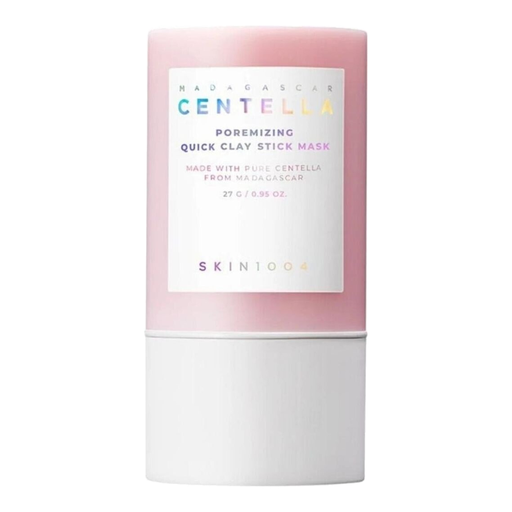
Why this product suits this profile: The stick format allows for targeted application and is handy if you’re looking for an easy-to-use face mask with a short application time.
The stated application time of 3–5 minutes helps limit how long you leave it on. The 27-g size makes it an accessible introduction without committing to a large tub.
The product lists 18% kaolin, as well as Centella asiatica extract and panthenol in the INCI list.
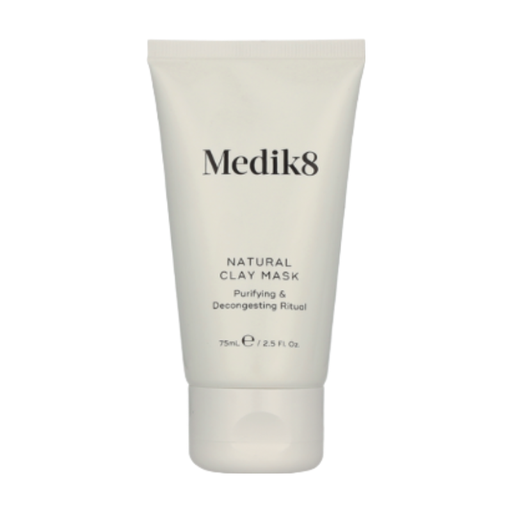
Why this product suits this profile: The 75 ml tube is well suited to a measured weekly routine and is easy to store neatly in the bathroom.
The product details recommend leaving it on for 10–15 minutes and using it around once a week. This makes it easier to use in moderation, rather than as a daily cleanser.
The stated formula contains kaolin, bentonite and sulphur. If you have very sensitive skin, take particular care with sulphur.
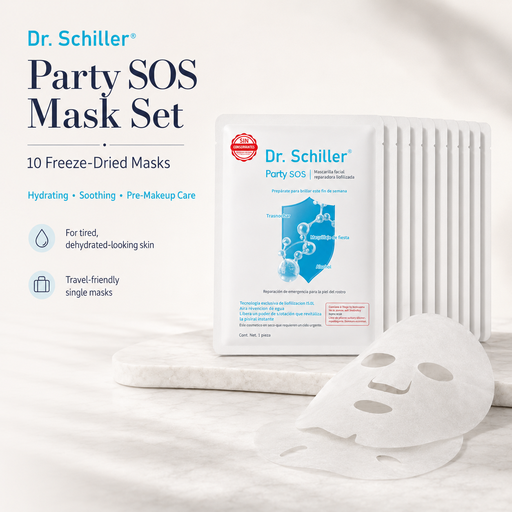
Why this product suits this profile: Individually wrapped, dry sheet masks are handy for travel and changing skincare needs, and let you choose your own toner.
Activate the mask just before use with suitable water, toner or a water-based essence. This means you know exactly which liquid is going onto your skin.
The set contains ten individually wrapped masks made from cellulose and/or cotton fibres. Each mask is designed for single use.
We’ve put together a complete, regularly updated list of products that meet these strict selection criteria and fully comply with the safety regulations in force in the EU.
A patch test is particularly useful if the product contains fragrance, acids, sulphur, essential oils or new plant extracts. Don’t apply to broken, very irritated or sunburnt skin.
It depends on the formula. Clay and cleansing masks are often recommended once or twice a week. Depending on the product, a moisturising face mask may be used more often. Always follow the manufacturer’s instructions and pay attention to how your skin responds.
For blemish-prone skin, consider formulas containing kaolin, bentonite or charcoal. If the mask contains salicylic acid or exfoliating particles, take the rest of your routine into account and avoid combining several potentially irritating products on the same day.
Check the PAO symbol on the packaging, such as “12M”, as well as the expiry date. If the smell, colour, texture or condition of the packaging changes, stop using the product. Also make sure to take product out of tubs with clean hands or a spatula.