
Lieferung heute & morgen

Qualitätsgarantie

Willkommens-Angebote freischalten: KOSTENLOSE Lieferung | Bis zu 80 % RABATT | Kostenlose 30-Tage-JoyPlus-Testphase
App herunterladen
A face mask can complement your daily skincare routine when your skin feels dry, tight or stressed. But there’s plenty of choice: sheet masks, hydrogel face masks, Korean face masks and Japanese skincare formulas can differ considerably in their material, application time and ingredients.
Many people choose the wrong product not because of the price, but because they have the wrong expectations. A mask won’t replace a skincare routine tailored to your needs, and you shouldn’t choose one based solely on eye-catching terms such as ‘glow’, ‘lifting’ or ‘anti-ageing’.
Terms such as collagen face mask, hyaluronic acid face mask or anti-ageing face mask initially describe the ingredients being promoted or the product’s skincare focus. They don’t guarantee a particular effect. Collagen, hyaluronic acid, ceramides and plant extracts may all feature in a formula, but what matters is the full INCI list, the instructions for use and how well the product suits your skin.
You shouldn’t automatically keep a sheet mask on until it has dried completely. This is particularly true of thin cellulose or non-woven masks. Hydrogel masks are often designed to be left on for longer, for example for three to four hours or overnight. Always follow the manufacturer’s instructions.
If you have sensitive skin, a soothing face mask without fragrance or with a shorter ingredient list may be the more practical choice. Natural fragrance oils, such as lavender, citrus or rosemary oil, aren’t suitable for every skincare routine either. Before using a mask for the first time, it’s a good idea to test it on a small area of skin.
A sheet mask should sit as evenly as possible across your forehead, cheeks, nose and chin. A 3D cut or stretchy fibre material may improve the fit, but this alone says nothing about the quality of the formula. Hydrogel face masks tend to sit more heavily on the skin and release their gel-like essence over a longer period.
Single-use packs are hygienic and convenient for regular use. Multipacks containing four, ten or more masks are a good choice if the recommended frequency suits your skincare routine.
Cleanse your face, apply toner if you wish, then use the mask as directed on the packaging. Once you remove it, gently pat in any remaining essence. Stop using the mask if you experience redness, stinging, itching or swelling. Don’t apply masks to broken, inflamed or noticeably irritated skin.
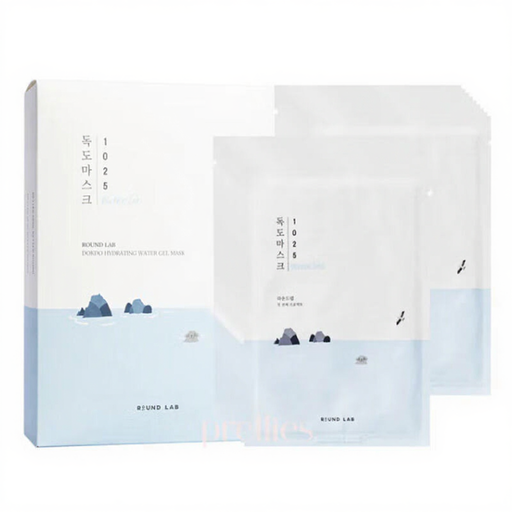
Why it suits this profile: The 18-pack offers plenty of single-use masks for a regular, moisture-focused routine. The stated application time is 10 to 20 minutes.
The clearly stated portion size and short application time help you avoid leaving the mask on for too long. The formula contains several forms of hyaluronic acid, as well as glycerin and panthenol.
18 masks, biodegradable cellulose sheets according to the product details, and several hyaluronic acid derivatives.
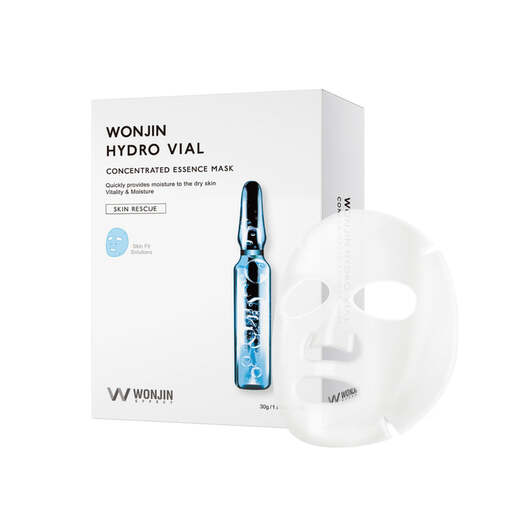
Why it suits this profile: The combination of a thin MediSeal sheet and ampoule skincare is designed for shoppers who pay attention to the material, fit and clearly listed active ingredients.
The product details specify a set application time of around 10 minutes, making it easier to fit into a typical morning or evening routine.
Six listed types of hyaluronic acid, azulene and marine collagen; pack of ten individually wrapped masks.
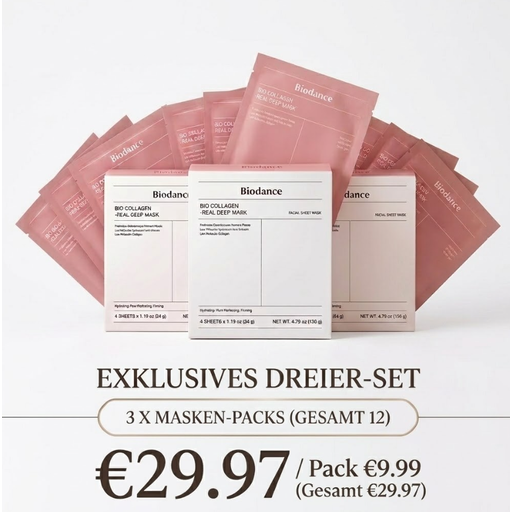
Why it suits this profile: Twelve individually wrapped hydrogel masks are ideal for regular use or stocking up. The stated wear time is three to four hours or overnight.
The long wear time is specifically recommended, so don’t confuse it with the application time for a classic sheet mask. Individual packaging helps keep the remaining masks from drying out.
12 hydrogel masks containing collagen extract, fermented ingredients, glycerin and hydrolysed hyaluronic acid.
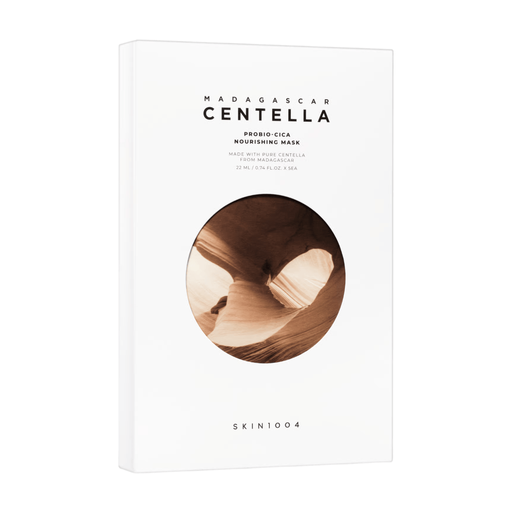
Why it suits this profile: The formula combines Centella asiatica extract, fermented ingredients, panthenol, hyaluronic acid and ceramides for gentle, moisture-focused care.
The product description gives an application time of 10 to 20 minutes and advises against using the mask on damaged skin. This makes it easier to use with care.
Five masks, flexible fibre according to the product details, plus Centella, ceramides and three forms of hyaluronic acid.
We’ve put together a complete, regularly updated list of products that meet these strict selection criteria and fully comply with the safety regulations in force in the EU.
It depends on the formula and the manufacturer’s instructions. Many hydrating masks are recommended for use once or twice a week. For very rich hydrogel masks, using them less often may be a good idea. Daily use is only suitable if specifically recommended and your skin tolerates it.
A sheet mask is usually made from cellulose, cotton fibres or synthetic non-woven fabric, and is soaked in liquid essence. A hydrogel face mask has a gel-like texture that sits more closely against the skin and is often worn for longer. However, the material alone doesn’t determine whether a mask is suitable for dry or sensitive skin.
For dry skin, look for face masks with moisture-binding ingredients such as glycerin and hyaluronic acid, as well as barrier-supporting ingredients such as ceramides. You should also check the application time, fragrance and any advice for sensitive skin. If skin problems persist, a cosmetic mask is no substitute for advice from a dermatologist.