
Lieferung heute & morgen

Qualitätsgarantie

Willkommens-Angebote freischalten: KOSTENLOSE Lieferung | Bis zu 80 % RABATT | Kostenlose 30-Tage-JoyPlus-Testphase
App herunterladen
A face mask can complement your daily skincare routine, but not every formula suits every skin type. If you want to buy a face mask, you should not base your decision solely on familiar active ingredients, attractive packaging or claims such as “glow” and “instant firming”. Your skin type, how the mask is used, its ingredients, backing material and pack size are what really matter.
Hyaluronic acid is often advertised as a moisture-boosting ingredient. In a hyaluronic acid face mask, it can bind water, but whether it is suitable depends on the complete formula. Glycerin, panthenol, ceramides and plant oils may also play a role. For dry skin, it is also important to consider whether the mask will be followed by a cream or another skincare product.
A vitamin C face mask, collagen face mask or so-called anti-ageing face mask should not automatically be viewed as a solution for wrinkles or pigmentation. Cosmetic products may temporarily improve how your skin feels and looks, but they do not replace professional dermatological advice.
A face mask for all skin types may contain fragrances, essential oils, alcohol or exfoliating ingredients. If you have sensitive skin, it is therefore worth checking the full INCI list. A soothing face mask should contain as few potentially irritating additives as possible. If you have known allergies, pay particular attention to individual ingredients such as honey, propolis, bee products and fragrances.
A sheet face mask is often used for ten to 20 minutes. The recommended time can be considerably longer for hydrogel masks. However, leaving a mask on for longer does not automatically enhance its skincare benefits and may become uncomfortable if the material starts to dry out. The manufacturer’s usage instructions are what matter most.
A classic sheet mask is already saturated with essence and is ideal for a straightforward application. A hydrogel mask usually sits closely against the skin and releases less liquid into the surrounding area. Wash-off masks containing kaolin, bentonite or rice powder are rinsed off after the recommended application time and can be used selectively on combination skin.
A dry DIY mask, on the other hand, initially contains no liquid active ingredients. It is saturated with a toner, serum or essence of your choice. This offers flexibility, but you need to make sure that the liquid you use is well tolerated.
Individual sachets are practical for trying a product or taking it travelling. Packs of ten or 20 are suitable for a regular routine and may offer better value per application. With jars and larger packs, clean hands or the enclosed spatula are important. Close the packaging carefully to prevent the essence from drying out.
Before buying, also check the best-before date, batch number, PAO symbol and storage instructions. According to the manufacturer, the ingredients may change, so the labelling on the packaging you receive is the definitive source.
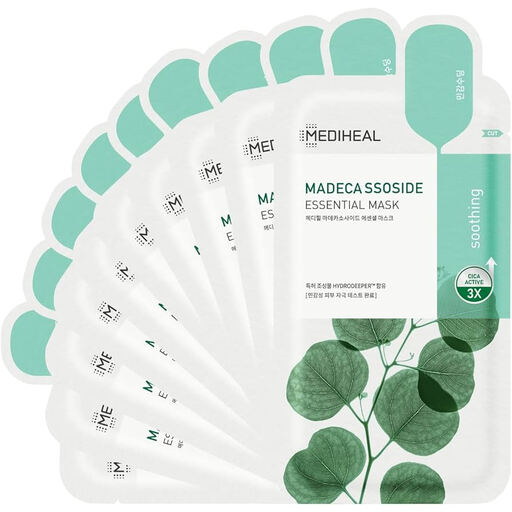
Why this product suits the profile: The pack contains ten sheet masks and is intended for regular use two to three times a week. Centella asiatica, madecassoside, panthenol and sodium hyaluronate are included in the stated INCI list.
The clear quantity and application time make it easier to plan your costs. Nevertheless, check the ingredients list for fragrances and any personal intolerances before use.
Vegan bamboo-fibre backing according to the product description, with ten individual masks per pack.
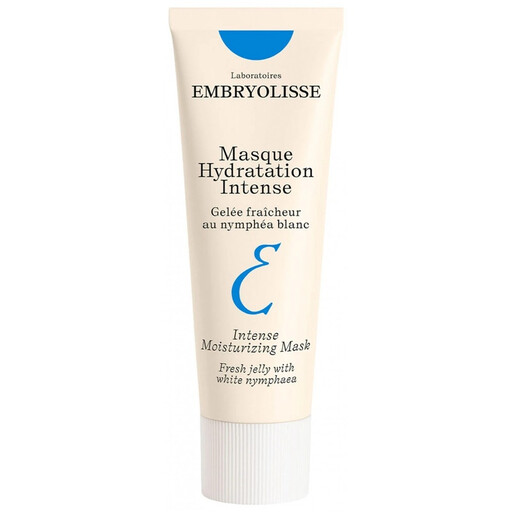
Why this product suits the profile: The cream formula with glycerin, panthenol, allantoin, beeswax, oils and sodium hyaluronate is suitable for users who prefer a wash-off hydrating face mask to a sheet mask.
The recommended application time is 15 minutes, keeping the routine easy to plan. Parfum and limonene are listed and should be taken into account if you have sensitive skin.
50 ml tube, creamy texture and use during the day or at night according to the product information.
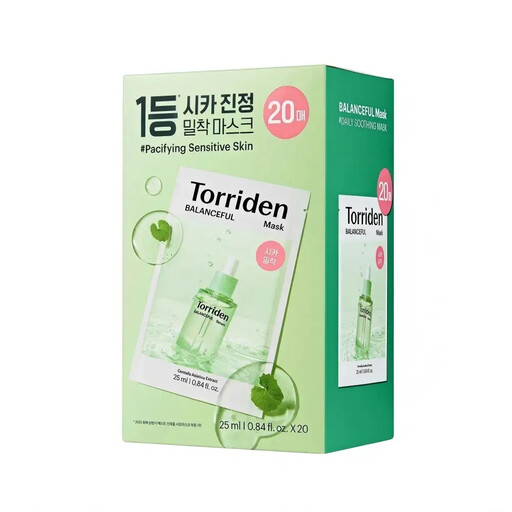
Why this product suits the profile: The pack of 20 is designed for frequent use. The formula lists five Cica ingredients, as well as panthenol, allantoin and hydrolysed hyaluronic acid.
The recommended application time of 15 to 20 minutes prevents unnecessarily long wear times. Stop using the mask if a skin reaction occurs.
20 sheet masks with 25 mL of essence per mask and a lightweight Cica focus.
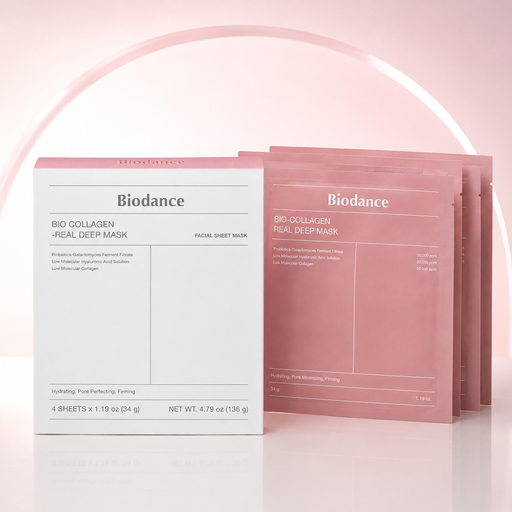
Why this product suits the profile: This Korean hydrogel mask is intended for users who prefer a longer application time. According to the product information, it is worn for three to four hours or overnight.
According to the description, the hydrogel’s visible change provides a clear indication of when to remove it. If you have sensitive skin, a patch test is advisable before first use.
Four hydrogel masks with collagen extract, niacinamide and hydrolysed hyaluronic acid according to the INCI information.
We have put together a complete, regularly updated list of products that fully meet these strict selection criteria and the safety regulations applicable in the EU.
A clarifying face mask containing clay or exfoliating particles should not be used on the same day as other highly exfoliating products. If your skin is damaged, sunburnt or acutely irritated, it is best to take a break.
It depends on the product. Sheet masks are often used once or several times a week, while a clarifying wash-off mask is usually intended for use only once or twice a week. The information on the packaging and your skin’s reaction remain the most important guides.
With individual masks, the contents should be used immediately after opening. For jars, tubes and multi-packs, follow the PAO symbol, best-before date and the manufacturer’s storage instructions. Heat, direct sunlight and open closures can affect product quality.
Do not compare only the pack price; also consider the number of applications. An individual mask offers flexibility, while a pack of ten or 20 sheet masks can reduce the cost per use if used regularly. With a cream or DIY mask, the coverage also depends on the amount used per application.