
Lieferung heute & morgen

Qualitätsgarantie

Willkommens-Angebote freischalten: KOSTENLOSE Lieferung | Bis zu 80 % RABATT | Kostenlose 30-Tage-JoyPlus-Testphase
App herunterladen
A face mask can be a great addition to your daily skincare routine, but not every type suits every skin type or skincare goal. If you're looking to buy a sheet mask, hydrating face mask or hydrogel face mask, don't be swayed by terms like "glow", "lifting" or "deep care" alone. What really matters is the formulation, the mask material, the recommended wear time and the information on the packaging.
Terms like "anti-ageing face mask", "pore-refining" or "firming effect" often describe a desired skincare outcome, but they aren't a standardised quality benchmark. A mask can temporarily make your skin look more cared for or smoother. However, you shouldn't assume any lasting cosmetic benefit from that.
So, look for specific details:
A face mask for dry skin often contains humectants like glycerin, hyaluronic acid or certain oils. For sensitive skin, on the other hand, fragrances, alcohol or lots of plant extracts can be undesirable. So, "suitable for all skin types" should always be checked against the full INCI list.
A Korean face mask or Japanese face mask isn't automatically right for every skin type either. The country of origin says something about market positioning, but it doesn't replace a proper check of the ingredients.
A sheet mask shouldn't generally be left on longer than the manufacturer recommends. If the fabric dries out too much, the feeling on your skin can worsen. Hydrogel masks with a recommended wear time of several hours are structured differently from classic sheet masks with a ten to twenty-minute wear time.
With a dry mask that you soak yourself, the liquid you use also comes into play. The product itself doesn't contain any cosmetic essence then; how well it suits you depends largely on the toner, serum or lotion you soak the mask with.
The material affects how well the face mask sits on your skin and how evenly the essence is distributed. Common options include:
Check that the eye and mouth openings fit properly. A sheet that's too big or poorly cut can slip and cause the essence not to sit evenly.
For a hydrating face mask, ingredients like glycerin, betaine, panthenol and hyaluronic acid are commonly used. Ceramides and skin-nourishing lipids can appear in formulations for dry-feeling skin. With a skincare mask for sensitive skin, it's worth taking a close look at perfume, essential oils, alcohol and preservatives.
With a cleansing mask containing kaolin or bentonite, people with dry skin should pay attention to how often they use it. Such formulations can absorb excess sebum, but they aren't the same as a purely hydrating mask.
A single mask is a good choice if you want to try a particular formula first. Multi-packs with ten, 21 or 30 sheet masks can be more practical for regular routines. Compare the price not just per pack, but also per application. With products in a pot or resealable pouch, also make sure you can remove the product hygienically and store it airtight.
Before buying, the best-before date, batch number, full ingredients list and any warnings should be part of your basic product check.
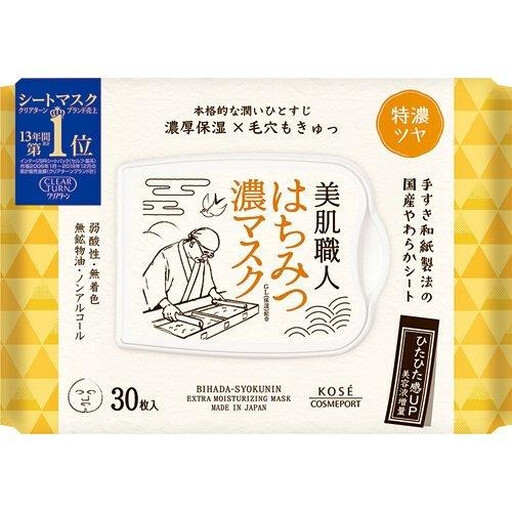
Why this product fits the profile: The pack contains 30 sheet masks and, according to the product details, is designed for regular use with a wear time of around ten minutes.
The large pack makes the cost per application easier to compare. The stated short wear time reduces the planning effort.
30 individual applications; glycerin and honey are listed in the INCI list provided.
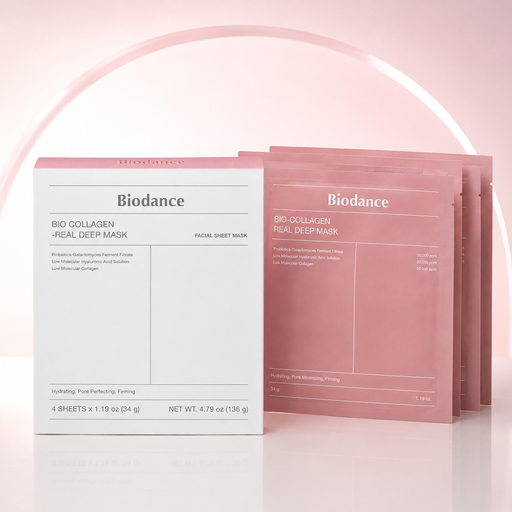
Why this product fits the profile: This Korean hydrogel face mask is designed for users who prefer a longer skincare routine.
The recommended wear time of three to four hours or overnight is clearly stated, preventing incorrect use.
Four masks at 34 g each; according to the ingredients list, includes collagen extract, niacinamide and hyaluronic acid.
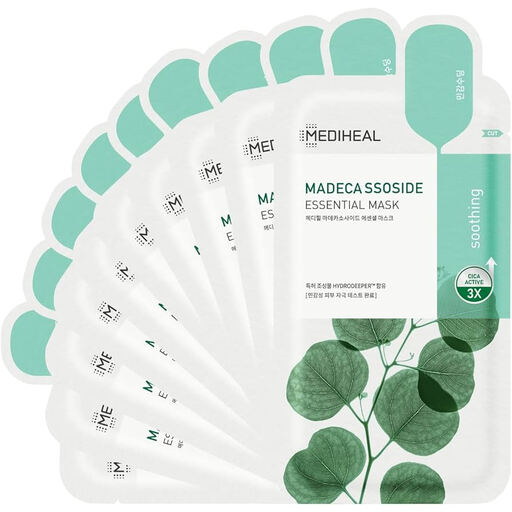
Why this product fits the profile: The pack of ten is aimed at people who want to incorporate a sheet mask into their skincare routine several times a week.
The application time of 15 to 20 minutes and the recommended frequency of two to three times a week are clearly stated.
10 pieces; bamboo fibre and centella asiatica components are included according to the product details.
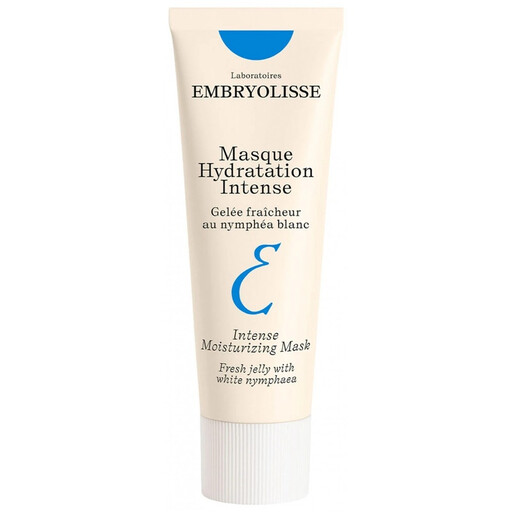
Why this product fits the profile: This wash-off cream mask is ideal for users who don't want to wear a sheet on their face and prefer to control the amount of product themselves.
The wear time of 15 minutes and the instructions to wipe or rinse off are clearly described. This prevents unnecessarily long wear.
50 ml tube; according to the INCI list, includes glycerin, panthenol, beeswax and sodium hyaluronate.
We've put together a full, regularly updated list of products that fully meet these strict selection criteria and the safety regulations in force in the EU.
If you experience redness, itching, burning or swelling, stop using the mask. Masks are for external use only and do not replace dermatological advice.
That depends on the formula and your skin type. Hydrating sheet masks can be used more frequently, according to the product instructions. Clay, exfoliating or highly active ingredient masks are usually intended for less frequent use. The information on the packaging is what you should follow.
Many classic sheet masks are applied for around ten to twenty minutes. Hydrogel masks may have a longer recommended wear time. Leaving a mask on for longer isn't automatically better. Follow the specific manufacturer's instructions and don't sleep in a mask unless it's expressly designed for that.
Single masks are often cheaper to buy upfront, while multi-packs can reduce the price per application. Compare pack size, wear time, material and ingredients together. That way, you can better judge whether a Korean face mask, Japanese face mask or classic cream mask suits your budget and daily skincare routine.