
Lieferung heute & morgen

Qualitätsgarantie

Willkommens-Angebote freischalten: KOSTENLOSE Lieferung | Bis zu 80 % RABATT | Kostenlose 30-Tage-JoyPlus-Testphase
App herunterladen
Face masks differ in more than just their packaging, scent or country of origin. The key factors are the type of mask, its ingredients, how it is used and whether the care it provides suits your individual skin condition. If you choose solely based on particularly impressive claims or a large number of individual portions, you may easily end up with a product that is impractical for everyday use or places unnecessary stress on your skin.
The term “mask” can also cause confusion: a moisturising face mask is a cosmetic skincare product, while FFP2 masks are designed for respiratory protection. These two product groups should be selected separately according to their intended purpose.
Terms such as “Glow”, “Pore Refining” or “Anti-Aging Face Mask” often describe the product’s positioning rather than a proven effect for every skin type. You should therefore check the complete INCI list and look for ingredients that match your skincare goals:
Cosmetic claims are not a substitute for a dermatological diagnosis. If you experience persistent skin problems, inflammation or severe reactions, it is advisable to seek medical advice.
Sheet masks and hydrogel masks are often left on for too long. If the material dries out, it can make your skin feel less comfortable. Follow the manufacturer’s instructions, for example 10 to 20 minutes for many sheet masks. Products specifically intended to be worn for several hours or overnight are an exception.
Individually wrapped sheet masks are hygienic and easy to take with you. A tub or multipack may offer better value per application, but it requires careful storage. For products with a short shelf life after opening, you should realistically consider how often you will use the skincare product.
For dry skin, moisturising and replenishing ingredients are often an obvious choice. A face mask for dry skin may contain ingredients such as glycerin, hyaluronic acid, ceramides or plant oils. Rice extracts, niacinamide and plant extracts positioned as antioxidants are often used for dull-looking skin. For blemish-prone skin or skin prone to enlarged pores, clay, Centella asiatica or lightweight gel textures may be worth considering.
Pay attention to the order of the ingredients: it provides an indication of their relative amount, but it is not proof of effectiveness. Formulas may change, so the INCI list on the product packaging is the definitive reference.
Do not compare only the pack price. Also consider:
For FFP2 masks, different criteria apply: look for the marking FFP2 NR, the standard EN 149:2001+A1:2009, a verifiable CE marking, a mouldable nose wire and a good fit. A valve is not suitable for masks that are also intended to filter exhaled air. An FFP2 mask is not a cosmetic product and should not be confused with a face skincare mask.
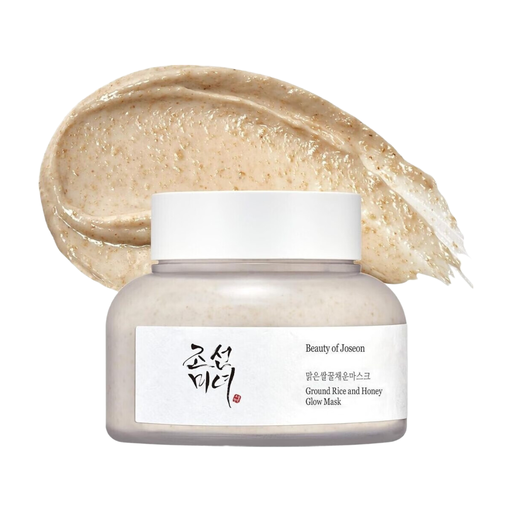
Why this product suits the profile: This wash-off mask is ideal for people who prefer weekly skincare with rice ingredients and honey, and who do not need individually wrapped sheet masks.
The stated application time of 15 to 20 minutes and the clear instructions to rinse afterwards make it easier to use the product in a controlled way.
150 ml tub, kaolin, rice powder and honey extract; designed for weekly use.
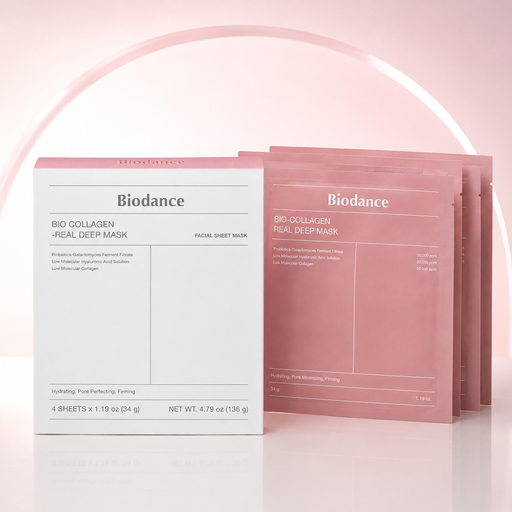
Why this product suits the profile: These hydrogel masks are a good choice for buyers planning a longer application time of three to four hours or overnight use.
The recommended usage time is clearly stated. This helps prevent an ordinary sheet mask from accidentally being worn for several hours.
Four hydrogel masks weighing 34 g each, plus hyaluronic acid, niacinamide and plant extracts according to the product information.
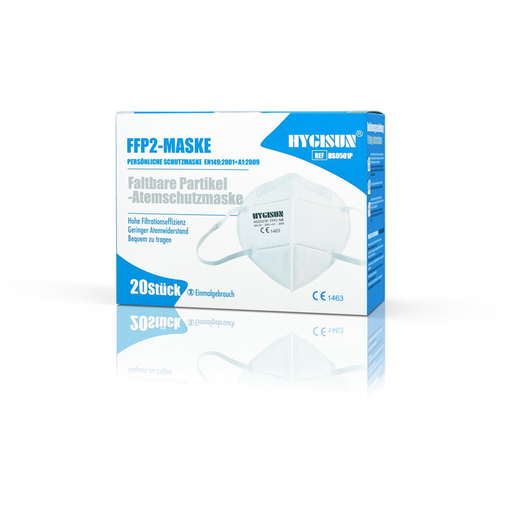
Why this product suits the profile: For everyday use, the workplace or seasonal exposure, these individually wrapped protective masks are portioned for convenient storage and can be used separately from cosmetic face masks.
The product information states the EN 149:2001+A1:2009 standard, FFP2 NR marking and CE certification; these details should be checked on the packaging delivered.
20 individually wrapped masks, four-layer construction, no valve and a nose wire according to the product description.
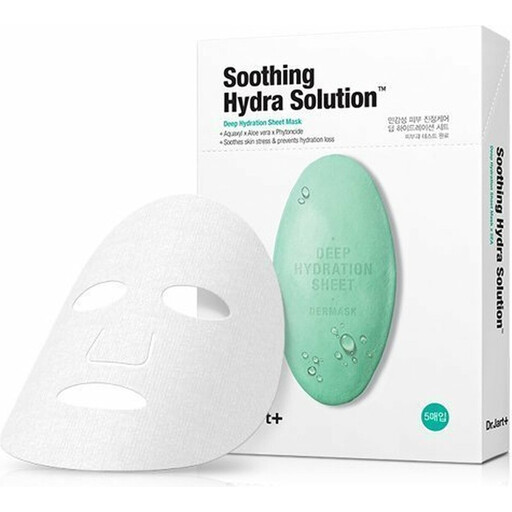
Why this product suits the profile: This lightweight cellulose mask is designed to hydrate and leave skin feeling soothed. It can be removed after 15 to 30 minutes without rinsing.
The product description lists the plant extracts, alcohol and fragrance included. If you have sensitive skin, you can specifically check the INCI list for these ingredients before buying.
Five cellulose sheet masks with glycerin, panthenol, betaine and aloe vera extract according to the stated formula.
We have put together a complete, regularly updated list of products that fully meet these strict selection criteria and the safety regulations applicable in the EU.
Before using a product fully for the first time, it is advisable to carry out a small compatibility test on an inconspicuous area of skin. Do not apply a mask to broken, inflamed or severely irritated skin. Stop using it if you experience burning, redness, swelling or itching.
Cosmetic masks are generally applied after cleansing. With sheet and hydrogel masks, the remaining essence is often gently patted into the skin; you can then apply an additional cream to complete your skincare routine. Wash-off products should be removed with lukewarm water as instructed by the manufacturer.
This depends on the type of mask and its formulation. A gentle moisturising mask may be used more frequently, depending on the manufacturer’s instructions. Clay, exfoliating and peel-off products are generally used less often. The specific recommendation on the packaging and product page is the deciding factor.
Individually wrapped sheet masks are usually used immediately after opening. For tubs and resealable packs, check the PAO symbol as well as the printed best-before or expiry date. Reseal the packaging after each use and store it in a dry, cool place away from direct sunlight.
Korean face masks cover a wide range of formulations, from daily hydration through to hydrogel masks, clay products and rice-based masks. Their origin alone says nothing about how well they will suit your skin. The deciding factors are your skin’s needs, the INCI list, application time and your individual reaction.