
Lieferung heute & morgen

Qualitätsgarantie

Willkommens-Angebote freischalten: KOSTENLOSE Lieferung | Bis zu 80 % RABATT | Kostenlose 30-Tage-JoyPlus-Testphase
App herunterladen
A face mask can complement your skincare routine in a targeted way – provided the texture, ingredients, application time and pack size suit your needs. However, there are clear differences between Korean face masks, Japanese gel masks, classic sheet masks and hydrogel face masks.
If you focus only on terms such as “Glow”, “Collagen” or “Deep Hydration”, it is easy to overlook important details. Three common purchasing misconceptions are particularly relevant:
The format affects comfort, your skincare routine and the time required:
The application time specified by the manufacturer should be followed. Leaving a mask on for longer is not automatically beneficial and may cause a tight feeling if a sheet mask dries out.
For dry skin, glycerine, hyaluronic acid, betaine, ceramides or squalane may be interesting ingredients. If you are looking for a soothing face mask, formulations often contain Centella asiatica, heartleaf, madecassoside, panthenol or allantoin.
Niacinamide, vitamin C derivatives, alpha-arbutin or N-acetylglucosamine are often used for skin that looks dull. These ingredients are cosmetic skincare components and should not be equated with medical treatment for pigmentation.
A collagen face mask may contain hydrolysed collagen or collagen extract, depending on the product. The term “anti-ageing face mask” is primarily a product-positioning statement. For individual skin compatibility, the complete INCI list, fragrances and your own skin’s reaction remain decisive.
Single masks are suitable if you want to try a product first. Multipacks and bundles may be more economical for regular users, but this assumes that the formulation is well tolerated. A pack containing several variants also allows you to test which skincare focus best suits your personal routine.
Look out for:
Before using a product for the first time, it may be sensible to carry out a patch test on a small area of skin. If you experience burning, redness, swelling or itching, stop using the product.
The following products differ in format, application time, key ingredients and pack size. The details are based on the respective product information.
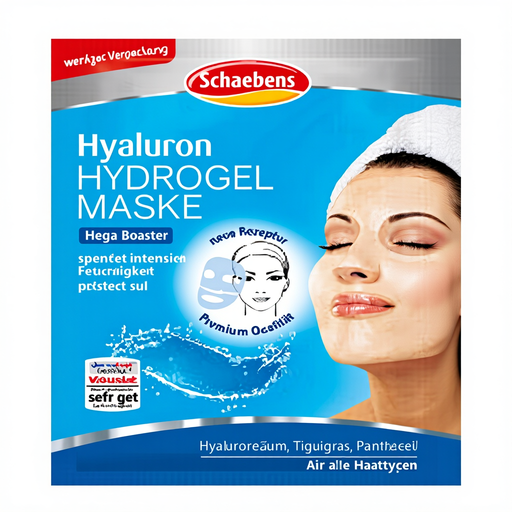
Why this product suits this profile: This single hydrogel face mask is a manageable option if you want to try a hydrating mask first, without immediately buying a large bundle.
The product description clearly states the texture and its focus on hyaluronic acid. This makes it easier to match your choice to your own hydration needs.
Hydrogel format with a clear focus on hydration; designed as a single-use treatment.
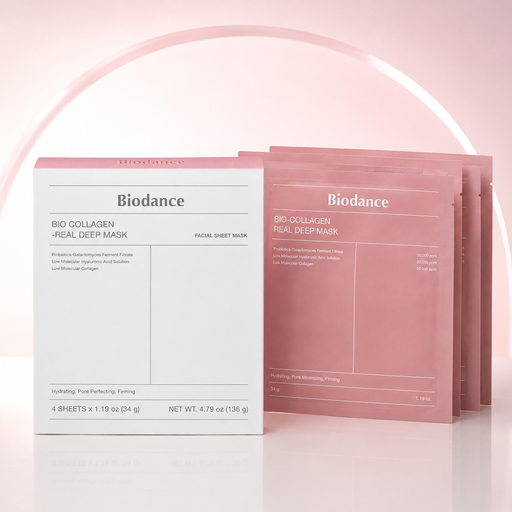
Why this product suits this profile: This Korean hydrogel mask is offered in a four-pack and is suited to users who prefer a longer application time of three to four hours or overnight.
The pack size and intended application time are clearly stated. This makes planning easier and helps you avoid confusing a short-use sheet mask with a long-wear treatment.
Four masks per pack; ingredients include collagen extract, niacinamide and hydrolysed hyaluronic acid, among others.
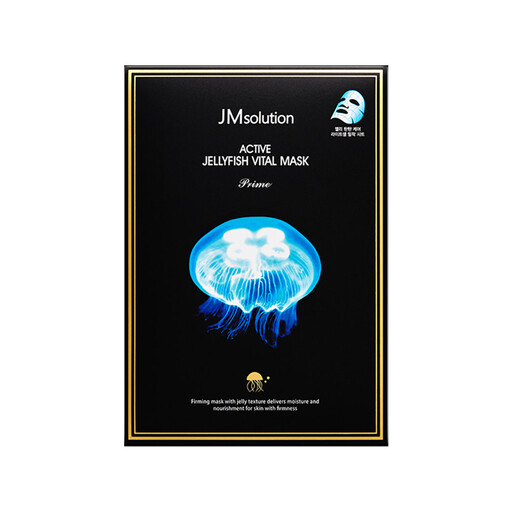
Why this product suits this profile: The ten-pack is aimed at frequent users who want to incorporate a sheet mask into their skincare routine regularly and prefer one portion per application.
The number of masks is clearly stated. This makes it easier to assess the cost per application instead of being guided solely by the product name or promised benefits.
Ten individually packaged masks; according to the product details, they contain jellyfish extract, several forms of hyaluronic acid and hydrolysed collagen.
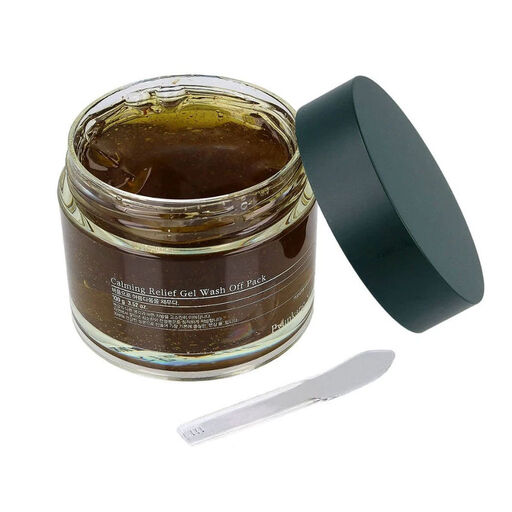
Why this product suits this profile: This rinse-off gel mask is suitable for people who do not want a long application time and prefer a light, cooling texture.
The application is clearly described as 10 to 15 minutes followed by rinsing. This reduces the risk of choosing a long-wear mask for a short skincare moment.
Rinse-off gel texture; according to the product description, intended for skin that appears sensitive or stressed.
We have put together a complete, regularly updated list of products that fully meet these strict selection criteria and the safety regulations applicable in the EU.
The face should be cleansed before every application. Toner or essence may be recommended for some products, but is not required for every face mask. Apply or position the mask without direct contact with the eyes and lips.
Once the application time is over, it is usually enough to gently pat in any remaining essence. A wash-off mask must be rinsed off thoroughly. Applying a cream afterwards may help prolong the moisturised feel. Some products contain fragrances or essential oils, so if you have sensitive skin, it is worth checking the INCI list carefully.
This depends on the formulation, the condition of your skin and the manufacturer’s instructions. Many products are intended for use once or twice a week, while some sheet masks can be used more frequently according to the packaging. If you experience tightness or irritation, reduce or stop use.
Application times vary considerably: some hydrogel masks are intended for around 10 to 20 minutes, while others are designed for two to four hours. Always follow the instructions on the packaging. A mask should not automatically be worn overnight unless this is expressly recommended.
Price alone says little about suitability or skin compatibility. Compare cost per application, pack size, application time, texture and INCI list. A more affordable sheet mask may be better suited to regular short treatments, while a hydrogel bundle may appeal to users with a longer skincare routine.