
Lieferung heute & morgen

Qualitätsgarantie

Willkommens-Angebote freischalten: KOSTENLOSE Lieferung | Bis zu 80 % RABATT | Kostenlose 30-Tage-JoyPlus-Testphase
App herunterladen
A face mask can be a useful addition to your skincare routine, whether you’re dealing with tightness, excess oil or uneven-looking skin. There’s plenty to choose from, including sheet masks, clay masks, peel-off masks and hydrogel masks. With so much variety, though, it can be hard to know what to buy.
Terms such as “refined pores”, “detox” and “glow” often describe the effect a product is marketed to deliver, but don’t necessarily mean it will have a lasting, measurable effect. A mask can’t permanently shrink pores. However, a formula may absorb excess oil or temporarily leave skin looking smoother.
A clay mask may be a good choice for oily or blemish-prone skin. However, leaving one on for too long can cause an uncomfortable feeling of tightness if you have dry or sensitive skin. So, when choosing a face mask for blemish-prone skin, look beyond the label and check the ingredients.
A sheet mask is usually designed for single use. If you leave it on for much longer than directed, the dried sheet can feel uncomfortable on your skin. If you buy a multipack, it’s also important to seal it carefully after each use. You’ll find information such as the best-before date, batch number and period-after-opening guidance on the packaging.
Rinse off a wash-off mask with lukewarm water after a few minutes, or after around 10–15 minutes. Depending on the product, a sheet mask is usually left on for 5–20 minutes. Hydrogel masks may sometimes be left on for longer. Always follow the manufacturer’s instructions.
A peel-off mask is removed once it has dried. It isn’t suitable for damaged, irritated or sunburnt skin. Avoid rubbing or pulling at your skin.
Cosmetic products sold in the EU must generally comply with the requirements of Regulation (EC) No 1223/2009 on cosmetic products. Check for:
Ingredients lists can change, so check the packaging for the current formula. Stop using the product if you experience burning, persistent redness, swelling or itching. A face mask is not a substitute for advice from a dermatologist.
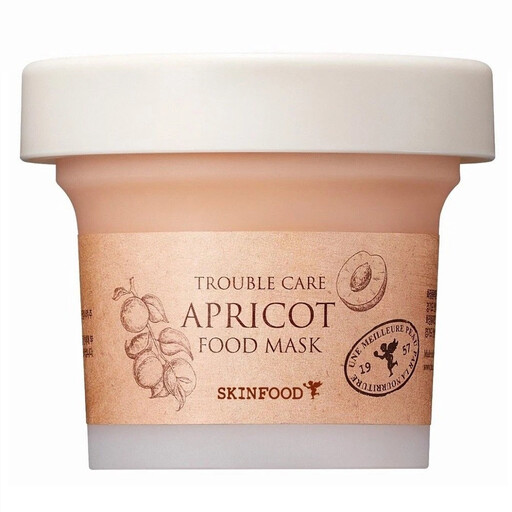
Why this product suits this profile: The 120g tub is a good choice if you’d like to use a wash-off mask regularly, without relying on single-use sachets. According to the product description, the formula contains apricot and peach extracts, calamine and mineral clays.
The recommended leave-on time of 10–15 minutes and instructions to apply it to clean, dry skin make it easier to use as directed.
A wash-off texture, 120g of product and clay ingredients to absorb excess oil.
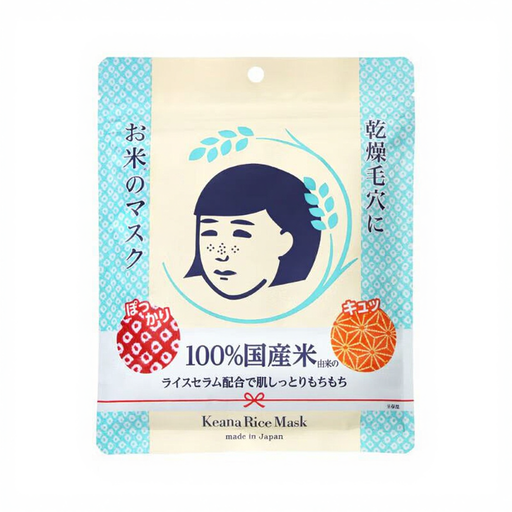
Why this product suits this profile: This Japanese face mask comes in a pack of 10 and is designed for dry, textured skin. According to the product information, the Rice Serum contains ingredients including fermented rice, rice bran oil and ceramides.
The recommended wear time of 5–10 minutes helps ensure you don’t leave the sheet mask on for longer than necessary. The resealable pouch helps keep the remaining masks from drying out.
10 individual sheet masks, a quick application and a formula focused on hydration.
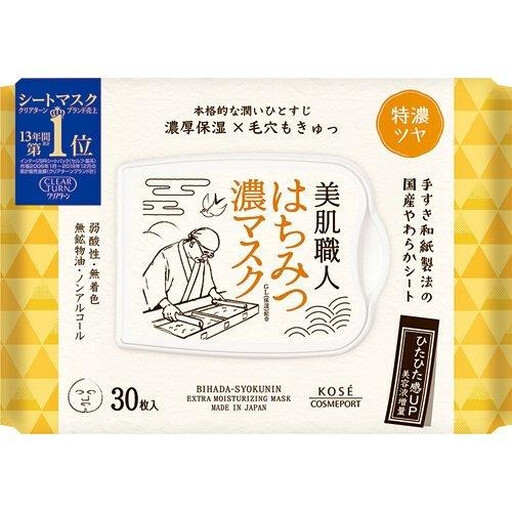
Why this product suits this profile: This Japanese sheet mask comes in a pack of 30 and is designed for regular use. According to the product description, it contains glycerin, honey and thermal water.
The masks come in a resealable container. The recommended leave-on time of around 10 minutes is clearly stated, making it easier to plan your routine.
30 sheet masks for frequent use and a formula focused on hydration.
We’ve put together a complete, regularly updated list of products that meet these strict selection criteria and fully comply with the safety regulations in force in the EU.
A hydrating face mask can be used once or twice a week. Clay or purifying masks shouldn’t automatically be used every day either. Your skin’s individual response and the manufacturer’s instructions are what matter.
It depends on the type of mask and your skin. Many clay and cleansing masks are recommended for use once or twice a week. Depending on the product, hydrating sheet masks may be used more often. Always follow the instructions on the packaging.
For unopened products, follow the best-before date or the period-after-opening symbol shown on the packaging. If the product contains several sheet masks, seal the pouch tightly after each use. Any change in smell, colour or consistency is a sign that you shouldn’t use the product again.
To work out the actual cost, consider not just the price but also how many applications you’ll get. If you use sheet masks regularly, a pack of 30 can make it easier to budget for each application. A 120g wash-off mask may also provide several applications. The key factors are how much product you need each time and whether the mask fits into your skincare routine.