
Lieferung heute & morgen

Qualitätsgarantie

Willkommens-Angebote freischalten: KOSTENLOSE Lieferung | Bis zu 80 % RABATT | Kostenlose 30-Tage-JoyPlus-Testphase
App herunterladen
A face mask can complement your existing skincare routine, but it won’t replace cleansing or your daily moisturiser. There’s plenty to choose from: sheet masks, hydrogel masks, clay masks, hydrating masks and face mask sets all differ in how they’re used, what they contain and how long you leave them on.
If you shop based solely on terms such as “Glow”, “Brightening” or “Anti-Aging”, you could easily end up with a product that doesn’t suit your skin’s needs. Here are three common pitfalls to watch out for:
Before you buy, take a moment to think about what you want the mask to do:
Hydrating masks often contain glycerin, hyaluronic acid, panthenol and betaine. In a clay mask, kaolin and bentonite can indicate that it’s designed to absorb excess oil. Niacinamide is often used in brightening face masks and products for pore care.
However, concentrations aren’t always listed. So don’t treat individual active ingredients or brand claims as a guarantee of a particular result. If you have known allergies or sensitive skin, a patch test is a good idea.
A sheet mask comes in a single-use portion and is quick to apply. Cellulose and microfibre sheets can vary in thickness, serum content and fit. A hydrogel mask usually sits closer to the skin and is often supplied in two pieces.
Cream masks give you more flexibility over how much you apply. Rinse them off after the recommended time, making them a good fit for a regular at-home skincare routine. A face mask set can be a practical choice, but only buy one if the recommended frequency of use suits your everyday routine.
Cleanse your face before applying a mask, and keep it away from your eyes and lips. Follow the recommended leave-on time on the packaging; the products mentioned here have instructions ranging from around five to 40 minutes.
It’s also important to:
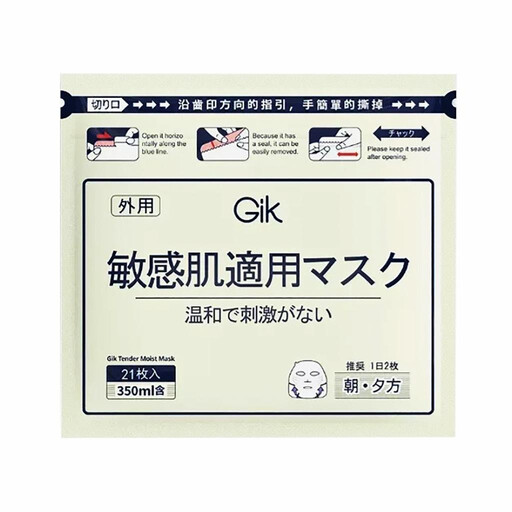
Why this product suits you: This 21-piece set is designed for regular use and offers a straightforward way for beginners to add a Korean sheet mask to their weekly routine.
The individual sheets make it easy to use the right amount. The recommended leave-on time of 5–10 minutes also helps prevent you from leaving the mask on for too long.
21 masks per pack; according to the product details, formulated with glycerin, sodium hyaluronate, betaine and panthenol.
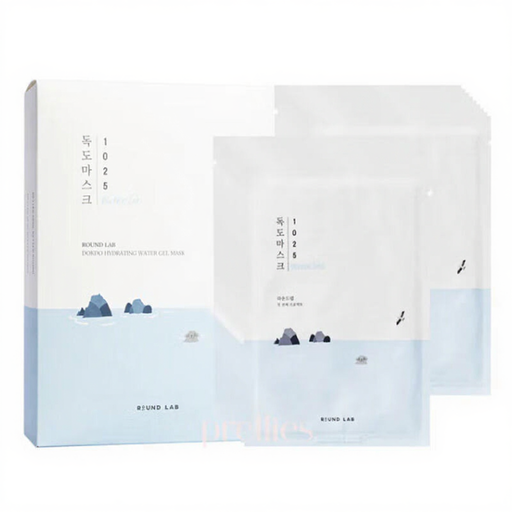
Why this product suits you: The formula is designed to provide intense hydration and is a good choice if you like to compare INCI lists carefully before buying.
The product details give a clear leave-on time of 10–20 minutes, along with storage advice and instructions to stop use if irritation occurs.
18 sheet masks; according to the product details, formulated with several forms of hyaluronic acid, glycerin, panthenol and allantoin.
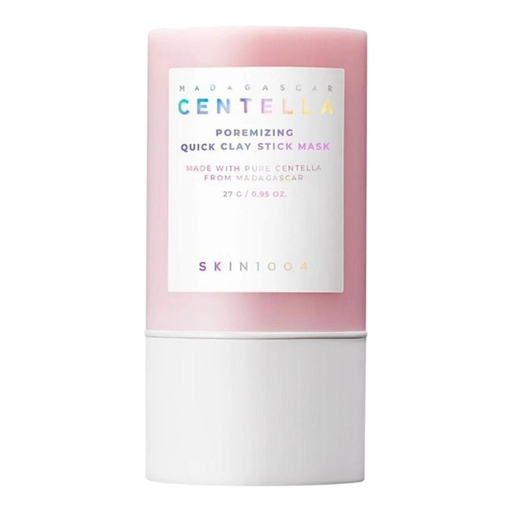
Why this product suits you: The stick format lets you target areas such as your forehead, nose or chin, making it a good fit if you don’t want to apply pore-care products all over your face.
The solid format helps prevent you from using more product than you need. As it contains kaolin and bentonite, use it on targeted areas rather than automatically applying it every day.
27 g stick; according to the product details, formulated with 8 % kaolin, bentonite and Centella asiatica extract.
We’ve put together a complete, regularly updated list of products that meet these strict selection criteria and comply with the safety regulations in force in the EU.
Apply a sheet mask after cleansing and, if you use one, after toner. You can gently pat in any remaining essence. For a rinse-off mask, lukewarm water is usually enough. You don’t necessarily need to use a face mask every day: once or twice a week is often enough, unless the product instructions say otherwise.
If you’re trying a new Korean face mask or Japanese skincare product, check the ingredients list first. This is especially important for products containing fragrance, essential oils or lots of plant extracts.
It depends on the product. Sheet masks are often left on for around 5–20 minutes, while some hydrogel masks may be designed to stay on for longer. Always follow the instructions on the packaging. Don’t leave a sheet mask on until it has dried completely.
Once or twice a week is a common starting point for a gentle hydrating mask. Using a mask every day only makes sense if the manufacturer specifically recommends it and your skin tolerates it without feeling tight or becoming red.
The price depends on the format, number of masks, ingredients and brand. A face mask set may bring down the cost per use. So compare more than just the pack price: check how many masks it contains, how much product you get and how often it’s recommended for use.