
Lieferung heute & morgen

Qualitätsgarantie

Willkommens-Angebote freischalten: KOSTENLOSE Lieferung | Bis zu 80 % RABATT | Kostenlose 30-Tage-JoyPlus-Testphase
App herunterladen
Face masks can complement your skincare routine, but product claims and what a product actually does don’t always go hand in hand. So if you’re looking to buy a hydrating face mask, a pore-refining mask or a Korean sheet mask, don’t focus solely on terms such as “glow”, “detox” or “anti-ageing”.
Terms such as “brightening face mask”, “collagen mask” or “snail slime mask” describe a skincare goal or an ingredient, not a guaranteed result. The full INCI list on the packaging is what matters. Glycerin, hyaluronic acid and panthenol are often used to hydrate the skin. Clays such as kaolin or bentonite can absorb excess oil. If you have sensitive skin, check carefully whether products containing fragrance, essential oils or alcohol are suitable for your routine.
A clay mask may be a good option for oily or blemish-prone skin, but it could leave dry skin feeling tight. A rich sheet mask, meanwhile, won’t necessarily suit every type of sensitive skin. The formula matters with hydrogel masks, too: the material describes the mask’s backing, not how well your skin will tolerate it.
More time doesn’t automatically mean more skincare benefits. Many sheet masks are designed to be left on for around 10 to 20 minutes. If the sheet dries out completely, your skin may feel uncomfortably tight. Hydrogel masks designed to be worn for longer should say so clearly. Always follow the packaging instructions rather than general application tips.
Start by identifying what you want the mask to do:
Sheet masks are usually made from cotton, cellulose, Tencel or biocellulose. A thin material may fit closely to the skin, but the fit will depend on your face shape. Biocellulose often adheres particularly closely and is available with serum-based formulas.
Hydrogel masks have a gel-like backing. They can feel pleasantly cool, and some are designed to be left on for longer. Check whether the mask comes in separate sections, how it should be stored and whether the recommended wear time suits your routine.
When choosing a face mask set, the price per use is also worth considering. A pack of ten or more individual masks is convenient if you use them regularly, but only buy one if you already know the ingredients suit your skin.
Before you buy, check the following:
Retinol sheet masks require extra precautions. Gradually increase how often you use them. If you’re pregnant or breastfeeding, it’s sensible to seek medical advice before using products containing retinoids.
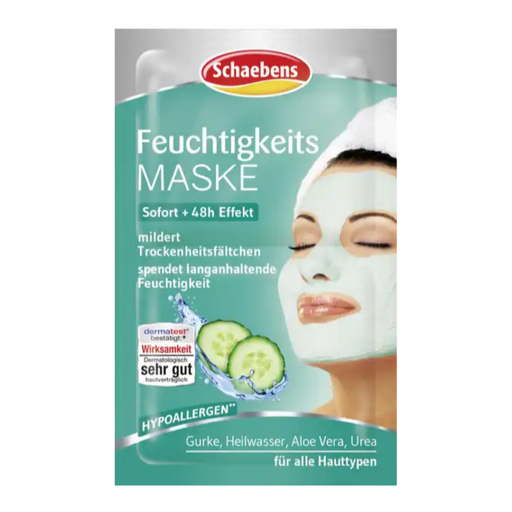
Why this product suits this profile: The individual 10-ml portion lets you try a hydrating face mask without having to buy a multipack straight away.
The short application time of 10 to 15 minutes and clearly listed skincare ingredients make it easier to assess the product realistically before making a larger purchase.
Aloe vera, avocado, cucumber, panthenol and bisabolol; suitable for the face and décolletage.
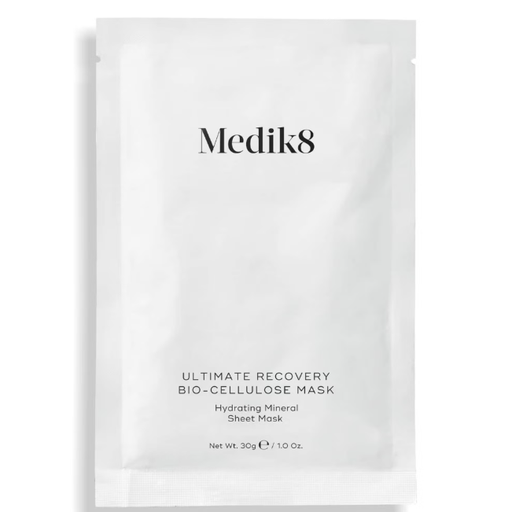
Why this product suits this profile: This biocellulose mask is a good option for buyers who want to compare the material, formula and manufacturer’s information in detail.
The listed product information says it is free from ingredients including alcohol, parabens, phthalates and artificial fragrance; always check the current packaging.
Biocellulose backing, hyaluronic acid, fucoidan extract and zinc PCA; pack of six applications.
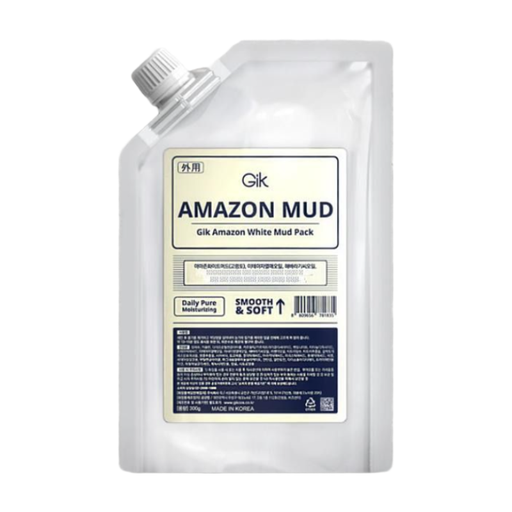
Why this product suits this profile: The 300 g tub is designed for repeated use and suits anyone looking to make a clay mask part of their weekly routine.
The recommended application time of 10 to 15 minutes and creamy texture offer clear guidance to help you avoid leaving it on until it dries out.
Kaolin and bentonite; according to the product information, suitable for use once or twice a week.
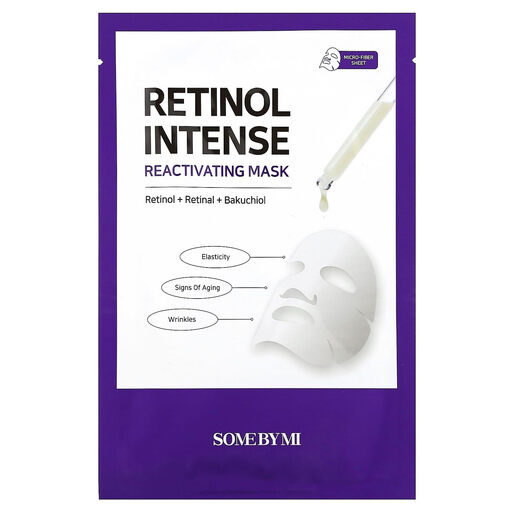
Why this product suits this profile: The pack of 30 is aimed at users who are already familiar with retinol and are planning a regular evening routine.
The product information lists 0.1 per cent retinol and recommends introducing it gradually, along with using sun protection during the day.
Retinol, retinal, niacinamide, panthenol and Centella asiatica; 30 individual masks per pack.
We’ve put together a complete, regularly updated list of products that meet these strict selection criteria and the safety regulations in force across the EU.
It depends on the mask type, ingredients and your skin type. Hydrating sheet masks are often used once or several times a week. According to many product instructions, clay masks are intended for use once or twice a week. Retinol products should initially be used less often. Always follow the instructions from the relevant manufacturer.
There’s no single answer. Check for fragrance, essential oils, alcohol and any ingredients you know trigger a reaction. A patch test on a small area of skin can be useful before your first application. If you experience burning, itching, swelling or persistent redness, remove the product straight away and don’t use it again.
Use individual sachets as soon as you open them. For tubs and sets, check the printed best-before date and the period-after-opening symbol. Store face masks in a cool, dry place away from direct sunlight.