
Lieferung heute & morgen

Qualitätsgarantie

Willkommens-Angebote freischalten: KOSTENLOSE Lieferung | Bis zu 80 % RABATT | Kostenlose 30-Tage-JoyPlus-Testphase
App herunterladen
A face mask can be a useful addition to your skincare routine – provided the texture, ingredients and application time are suitable for your skin. The market offers sheet masks, hydrogel masks, clay masks and wash-off formulations, each with very different focuses. If you choose solely based on terms such as “Glow”, “Deep Hydration” or “Pore Care”, you may overlook important details.
A hyaluronic acid face mask can provide moisture, while a clay mask is designed to absorb excess sebum. However, these properties are not automatically suitable for every skin type. For example, a face mask for large pores may contain kaolin or bentonite, which can cause a feeling of tightness on dry skin.
Terms such as “anti-ageing face mask” initially describe how a product is positioned. The specific INCI list is what really matters. Ingredients such as glycerin, panthenol, ceramides, niacinamide or sodium hyaluronate can be checked there; the visible effect may vary from person to person.
A sheet mask should not automatically be worn until it has dried completely. This can make your skin feel less comfortable. The application time specified by the manufacturer is therefore an important selection criterion. Some hydrogel masks are intended to be used for longer, for example over several hours. These instructions do not apply to every face mask.
Individual sheet masks are ideal for trying out a product or for occasional use. Larger packs are more practical for regular use, but require hygienic removal and proper resealing. If a jar contains plant-based ingredients, the lid should be closed firmly after every use. This helps protect the remaining formulation from drying out and unnecessary contact with the surrounding environment.
With a sheet face mask, the fit matters: the eye and mouth openings should sit comfortably on your facial contours. Thin cellulose or bamboo fibres can fit closely, while hydrogel masks are often heavier and more shape-retaining. Good adhesion reduces slipping, but on its own says nothing about the quality of the ingredients.
Compare the application time with your daily routine. Many classic sheet masks are suitable for short applications of around 10 to 15 minutes. Products requiring 30 to 40 minutes or several hours of application time need more planning. Also check whether the mask needs to be washed off, peeled off or simply removed. A patch test on a small area of skin is particularly advisable for sensitive skin.
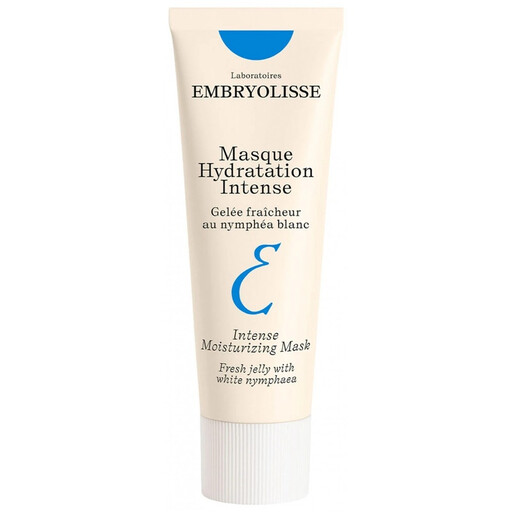
Why this product suits the profile: The 50 ml tube is a manageable size and is suitable for a straightforward, wash-off hydrating face mask. According to the product details, it should be applied in a thin layer and removed or rinsed off after around 15 minutes.
The clear application time and stated quantity make dosage easier to manage. The INCI list includes glycerin, panthenol, allantoin and Sodium Hyaluronate, among other ingredients.
Creamy texture, 50 ml contents and use during the day or in the evening according to the product description.
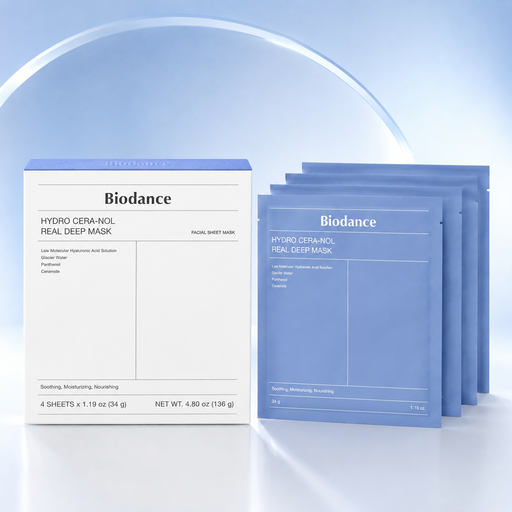
Why this product suits the profile: According to the product details, the hydrogel mask contains D-panthenol, ceramides and various forms of hyaluronic acid. One box contains four masks, each weighing 34 g.
The intended wear time of at least three to four hours or overnight is clearly stated. This makes it easier to plan around than a classic 15-minute mask.
Hydrogel format, four individual masks and Ceramides NP in the listed ingredients.
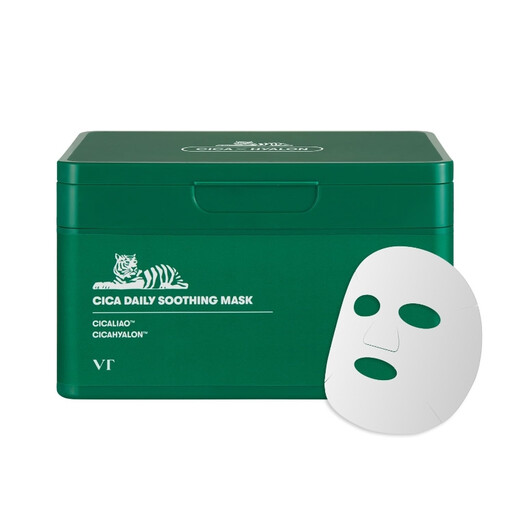
Why this product suits the profile: The large pack of 30 sheet masks is designed for regular use. According to the product details, the application time is 10 to 20 minutes.
The number of sheets and removal with the supplied tweezers support a structured, frequent routine. The container should then be closed carefully.
30 sheet masks, 0.2-mm Nude-Seal material and ingredients such as Centella Asiatica extract, panthenol and Sodium Hyaluronate.
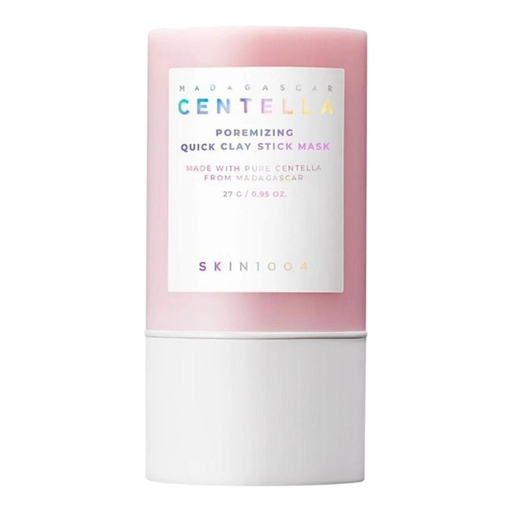
Why this product suits the profile: The 27 g stick format allows for targeted application. According to the product description, the mask contains 8% kaolin, bentonite and Centella Asiatica extract.
Targeted application can help you avoid dry areas of the face. The stated quantity and clay ingredients make the product type clear.
Practical stick design, kaolin and bentonite, plus a short, wash-off application.
We have put together a complete, regularly updated list of products that fully meet these strict selection criteria and the safety regulations applicable in the EU.
A daily face mask is not suitable for every product. With more intensive formulations, once or twice a week may be more appropriate. A lightweight sheet mask with a short application time may be used more frequently according to the manufacturer’s instructions. Stop using the product if redness, itching or burning occurs. Products should not be applied to broken or severely irritated skin.
This depends on the type of product and how well your skin tolerates it. A clay mask is often used less frequently than a lightweight hydrating mask. The manufacturer’s instructions are the key guide. If you have sensitive skin, it is advisable to start cautiously with one application per week.
Individual sheet or hydrogel masks are designed for single use. For cream masks, gels and clay masks, the best-before date shown on the packaging or the symbol indicating how long the product remains suitable after opening is decisive. The packaging should be kept clean, closed properly and protected from heat and direct sunlight.
The price per mask depends on the format, ingredients and pack size. Individual masks usually have a higher price per application, while packs of 10 or 30 make regular routines easier to budget for. So do not compare only the total price; also consider the number of applications and the required application time.