
Lieferung heute & morgen

Qualitätsgarantie

Willkommens-Angebote freischalten: KOSTENLOSE Lieferung | Bis zu 80 % RABATT | Kostenlose 30-Tage-JoyPlus-Testphase
App herunterladen
A face mask can complement your skincare routine, but it can’t replace daily cleansing or a skincare routine tailored to your needs. Depending on its formula, a mask may focus on removing excess oil, providing hydration or leaving your skin feeling comfortable. So don’t choose one based solely on the packaging colour, where it’s from or the claims in its advertising.
A pore-cleansing mask can remove excess sebum and surface residue. However, any visible improvement to the appearance of your skin is usually temporary. A mask can’t permanently change the size of your pores. So be wary of claims such as “pores disappear” or “deep cleansing right down to the root”.
A face mask for spots or blemish-prone skin often contains clay, charcoal or salicylic acid. These ingredients may be chosen for a clarifying skincare routine, but they’re not automatically suitable for everyone. Using them too often can cause tightness, redness or dry patches. A cosmetic mask is not a medicine, either, and it’s no substitute for advice from a dermatologist if you have persistent skin problems.
“Natural”, “detox” and “Korean skincare” aren’t consistent quality standards. Natural cosmetics can also contain fragrance or essential oils. If you have sensitive skin, check the full INCI list, recommended application time and any warnings. Always follow the information on the product packaging, as formulas can change.
For oily or blemish-prone skin, a clay mask, charcoal mask or formula containing salicylic acid may be worth considering. Kaolin and bentonite are often used to absorb excess oil. Even so, a face mask for oily skin shouldn’t leave your skin feeling excessively dry.
For dry skin, a hydrating face mask containing glycerin, hyaluronic acid or panthenol is a natural choice. A sheet mask usually contains a water-based essence and can be handy for a quick, simple application. If you’re interested in a Japanese or Korean face mask, compare the actual ingredients rather than focusing solely on where it’s from.
The term detox face mask usually describes how a product is positioned, rather than a skincare effect defined by a consistent legal standard. So, when choosing an anti-ageing face mask, check the specific ingredients and intended use instead of taking broad claims at face value.
Rinse-off masks require water and a little time. Sheet masks are individually wrapped, making them handy for travel. A stick format can make it easier to control how much you use, while single portions are hygienic and suitable for occasional use. The recommended frequency matters, too: many clay masks are intended for use once or twice a week, while hydrating sheet masks may be used differently depending on the product.
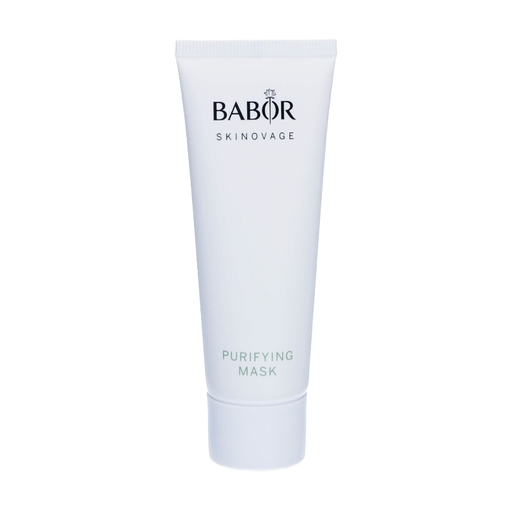
Why it suits this profile: For shoppers who want to compare the product’s origin, stated amount and detailed instructions for use. The product is listed as 50 ml and made by a manufacturer based in Germany.
The recommended layer thickness of 1–2 mm and application time of 5–10 minutes help prevent leaving the mask on for too long.
Kaolin, panthenol, glycerin and salicylic acid are listed in the stated INCI ingredients. Use is limited to once or twice a week.
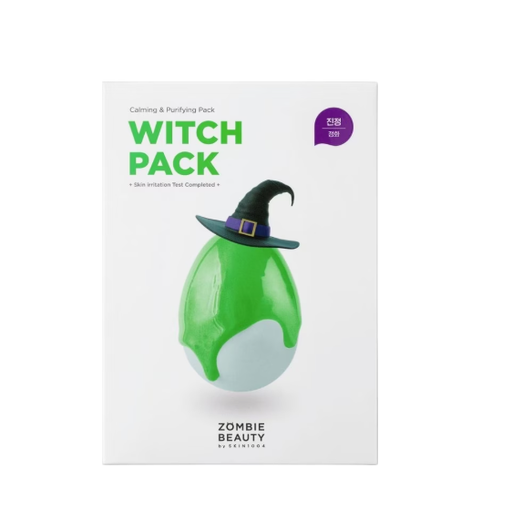
Why it suits this profile: Eight individually wrapped 15 g portions and an application brush make it suitable for regular use or taking with you when you travel.
Single portions help prevent the contents of an opened jar from drying out and make it easier to control how much you use.
According to the product information, it contains kaolin, bentonite, green tea water and Centella asiatica extract. It’s recommended for use once or twice a week.
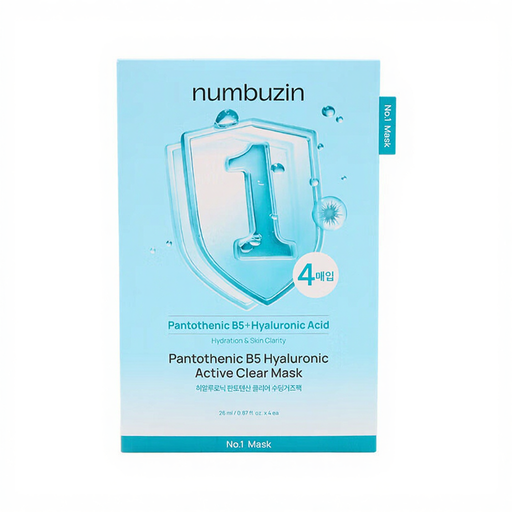
Why it suits this profile: A sheet mask pack containing four individual masks, for anyone looking to combine a quick application with hydration-focused skincare.
This pick focuses on the specific skincare goal of hydration, rather than relying solely on the word “Clear”. The recommended application time is 10–15 minutes.
Four sheet masks per pack, plus pantothenic acid and hyaluronic acid according to the product description.
We’ve put together a complete, regularly updated list of products that fully meet these strict selection criteria and the safety regulations in force in the EU.
It depends on the formula and your skin type. Clay, charcoal or acid-based masks are often recommended once or twice a week. For a hydrating sheet mask, follow the manufacturer’s instructions. Using a mask more often won’t automatically give you better results.
Many products should be removed after 5–15 minutes. Don’t leave a clay mask on for longer than instructed; it doesn’t need to dry completely or become cracked. Always follow the specific timing on the packaging rather than general recommendations.
For sensitive skin, useful selection criteria include a short application time, a straightforward INCI list and as few potentially irritating fragrance ingredients as possible. Check acids, essential oils and alcohol particularly carefully. If you experience recurring or more severe symptoms, it’s sensible to seek advice from a dermatologist.