
Lieferung heute & morgen

Qualitätsgarantie

Willkommens-Angebote freischalten: KOSTENLOSE Lieferung | Bis zu 80 % RABATT | Kostenlose 30-Tage-JoyPlus-Testphase
App herunterladen
A face mask can be a simple addition to your skincare routine – whether it’s a hydrating mask after a long day, a sheet mask before a special occasion, or targeted care for dry, dull or mature skin. The choice ranges from Korean face masks to hydrogel masks and retinol face masks.
But product promises aren’t always directly comparable. Three common buying mistakes often lead to the wrong purchase:
For dry skin, hydrating ingredients such as glycerin, panthenol, betaine or hyaluronic acid are often a practical choice. A hyaluronic acid face mask may contain different forms of this humectant, for example sodium hyaluronate or hydrolysed hyaluronic acid.
For sensitive skin, it’s worth looking for a formulation that is as simple as possible. A face mask for sensitive skin should ideally avoid any known personal triggers. Even “mild” or “hypoallergenic” doesn’t replace an individual tolerance test. Always test a new product on a small area of skin first and do not use it on broken or severely irritated skin.
For uneven or dull skin, ingredients like niacinamide, alpha-arbutin, liquorice extract or vitamin C derivatives are often used. However, a brightening face mask should not be confused with treating pigmentation disorders. During the day, a suitable sunscreen remains important.
A retinol face mask is aimed at people who already tolerate retinoids or want to gradually introduce them into their routine. Retinol, retinal and retinyl palmitate are different ingredients with different properties. With the Somebymi mask, retinol is combined with other retinoid forms according to the product information.
When using retinol products, start with longer intervals between applications. Use the mask preferably in the evening and do not combine it without checking with strong exfoliants, high-dose vitamin C or salicylic acid. If you experience persistent redness, burning or severe peeling, stop using it. Pregnant and breastfeeding women should only use retinol-containing products after consulting a doctor.
A sheet mask, also called a face sheet mask, is often made from cotton, lyocell, microfiber or bamboo fibre. The material affects how closely the mask fits and how comfortable it feels during the application time. A good fit reduces dry edges and prevents the mask from slipping easily when you talk or move.
Hydrogel masks usually sit more closely on the skin and are sometimes worn for much longer. With the Biodance Hydro Cera-Nol Real Deep Mask, a wear time of at least three to four hours or overnight is recommended. This is not comparable to a classic sheet mask, which is usually removed after 10 to 20 minutes.
Pack size also matters: individual 25 to 30 gram sachets are good for trying out. Ten-packs or a set of 30 sheet masks can be more economical for regular use. Still, always check the best-before date, batch number and storage instructions.
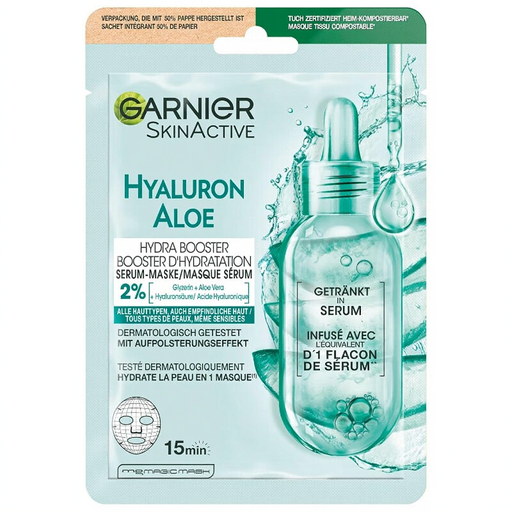
Why this product fits the profile: The single 28 gram mask is ideal for trying out a hydrating mask without committing to a larger pack. According to the product information, the serum contains glycerin, aloe vera and sodium hyaluronate, among other ingredients.
The single portion reduces the risk of storing a large pack with a formulation that doesn’t suit you. The recommended application time is 15 minutes.
Single use, cotton material according to the product description and a clear focus on hydration.
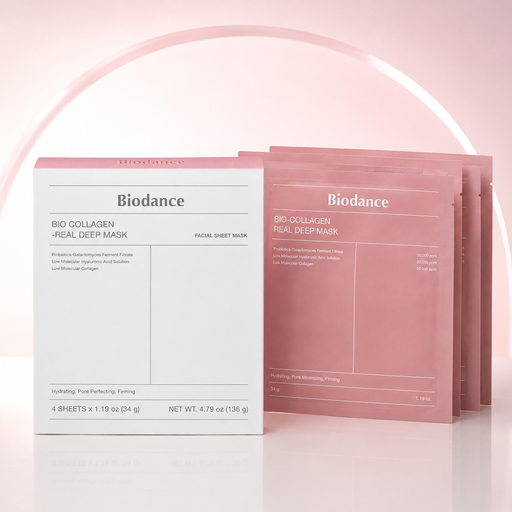
Why this product fits the profile: This Korean hydrogel mask is designed for users who prefer a long application time. The set contains four masks, each weighing 34 grams.
The product information specifies a wear time of three to four hours or overnight. This makes it clear that the application is not the same as a short sheet mask.
Hydrogel material, four masks per pack, plus hyaluronic acid, niacinamide and ceramides according to the INCI list.
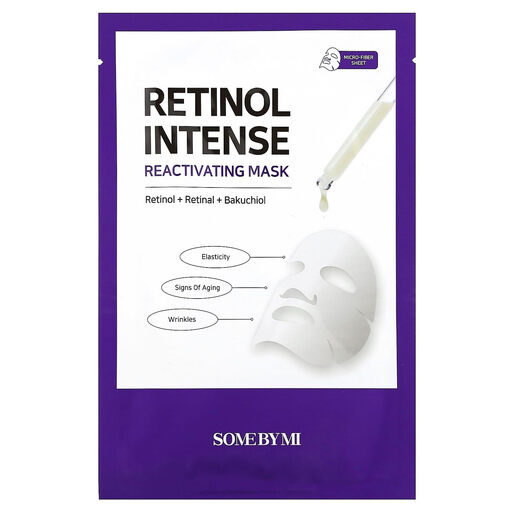
Why this product fits the profile: This set of 30 sheet masks is aimed at frequent users who want to use a retinol face mask at regular intervals. According to the product information, each mask contains 22 grams of essence.
The product information explicitly lists retinol, retinal and retinyl palmitate. This allows you to check the formulation against your own routine and tolerance before buying.
Large pack, stated retinol concentration of 0.1% and a recommended application time of 10 to 20 minutes.
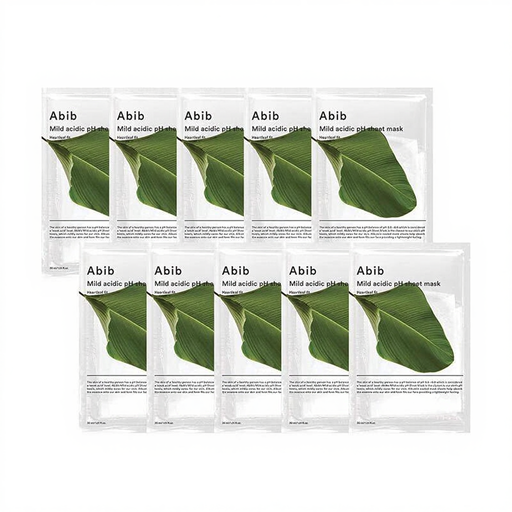
Why this product fits the profile: The ten-pack is designed for regular use. According to the product information, the formulation contains houttuynia cordata extract, allantoin and centella asiatica components.
The product description mentions a mildly acidic pH balance and clear guidance for sensitive or irritated skin. Nevertheless, a patch test should be carried out before the first full application.
Ten individual masks, 10 to 20 minutes application time and an INCI list focused on hydration and soothing.
We’ve put together a full, regularly updated list of products that fully meet these strict selection criteria and the safety regulations in force in the EU.
Cleanse your face before applying the mask and use a toner if needed. Place the mask on your face without creating large folds and stick to the recommended application time. A sheet mask should not automatically be left on until it is completely dry, as this can make the skin feel worse.
After removing the mask, gently pat the remaining essence into your skin. For richer formulations, follow up with a light moisturiser. Do not keep opened single-use sachets. Store unopened products in a cool, dry place away from direct sunlight.
It depends on the formulation and your skin type. Hydrating masks are often used once or several times a week. Active-ingredient masks with retinol or brightening ingredients should be used according to the manufacturer’s instructions, starting with longer intervals.
The usual time is around 10 to 20 minutes. However, the information on the specific product is what you should follow. Hydrogel masks can be worn for much longer if this is explicitly recommended.
With many sheet masks, the remaining essence is worked into the skin after removal and not rinsed off. If it feels sticky or uncomfortable, rinsing can be a good idea. The specific instructions for use and the guidance on the packaging take priority.