
Lieferung heute & morgen

Qualitätsgarantie

Willkommens-Angebote freischalten: KOSTENLOSE Lieferung | Bis zu 80 % RABATT | Kostenlose 30-Tage-JoyPlus-Testphase
App herunterladen
A face mask can complement your skincare routine, but it does not replace cleansing or daily moisturising. So if you are looking to buy a Korean face mask, collagen mask or pore mask, you should not focus solely on terms such as “glow”, “detox” or “anti-ageing”. Your skin type, how the mask is used, its ingredients and the actual product quantity are what really matter.
Terms such as brightening face mask, “refined pores” or “firmer skin” often describe how a product is positioned. However, they are not automatically proof of a specific effect. A mask may temporarily leave the skin looking more cared for, smoother or more hydrated. Claims about permanent changes should be assessed critically.
Check the complete INCI list and whether specific concentrations are stated. For sensitive skin, fragrances, alcohol, essential oils and certain plant extracts are also important points to check.
A sheet mask should not generally be left on your face until it has dried completely. If the material dries out, the application may feel uncomfortable. Hydrogel masks, on the other hand, often have considerably longer application times. The manufacturer's instructions are therefore more important than general recommendations on social media.
A daily face mask containing 30 sheet masks may be cheaper per application than a single product. Once opened, however, these containers must be closed securely and stored according to the storage instructions. For products in a jar, you should also use a hygienic spatula. For occasional use, a pack containing a few individually packaged masks may be more practical.
For skincare for dry and sensitive skin, moisturising formulations containing glycerin, panthenol, betaine, hyaluronic acid or ceramides are often worth considering. A hydrating mask should feel comfortable and should not leave your skin feeling tight for a prolonged period after use.
Clay, kaolin and bentonite are often used for blemish-prone or oily skin. A clay face mask can absorb excess sebum. It should not be used too frequently, as this may leave the skin feeling dry or irritated. If you have sensitive skin, it is advisable to test the product on a small area of skin first.
Cica masks often contain ingredients from Centella asiatica, such as madecassoside or asiaticoside. A Cica mask may appeal to anyone looking for lightweight, soothing skincare. A collagen mask or hydrogel mask, on the other hand, is usually chosen for its gel-like texture and intense feeling of hydration. Cosmetic claims about collagen, wrinkles or firming should not be confused with medical promises.
Also check the number of pieces, net weight, recommended frequency of use and disposal instructions. With a pack containing 30 masks, one application is not automatically equivalent to using a 50-ml mask from a jar.
Check the following before buying:
For cosmetic products intended for the EU market, the labelling and requirements of Regulation (EC) No 1223/2009 on cosmetic products are particularly relevant. The actual packaging remains the deciding source of information, as formulas and packaging details may change.
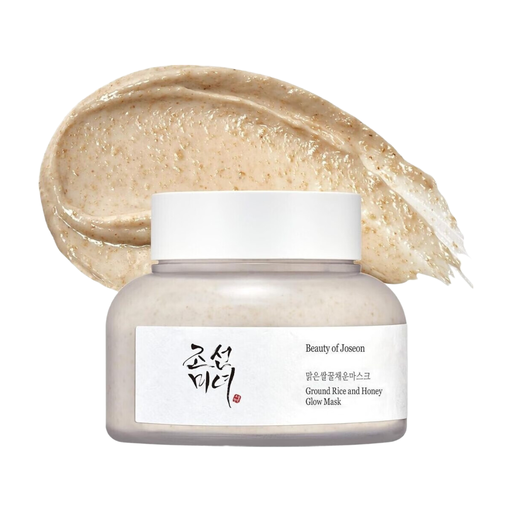
Why this product suits this profile: The 150-ml wash-off mask is suitable for a weekly skincare routine and can be removed with warm water after 15 to 20 minutes.
The clear application instructions and stated quantity make it easier to assess the cost per use. The formula contains kaolin, bentonite, glycerin, honey and rice powder, among other ingredients.
Wash-off format, 150 ml contents and a combination of rice powder, kaolin and honey extract.
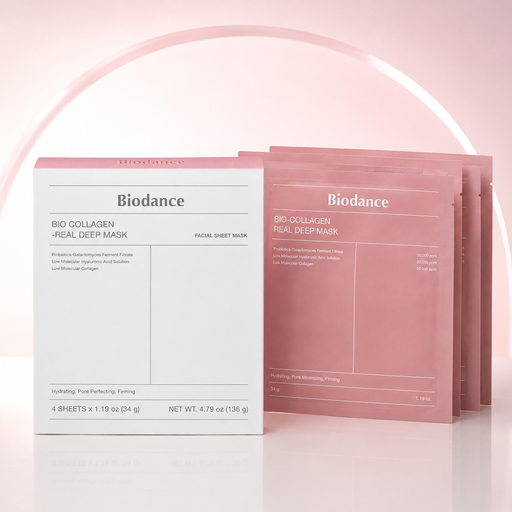
Why this product suits this profile: This Korean hydrogel mask is sold as a pack of 4, with each mask weighing 34 g, and is designed to be worn for three to four hours or overnight.
The long application time is clearly stated, so the duration of use does not have to be inferred from marketing images alone. A patch test is recommended before the first application.
Hydrogel format, 4 individual masks and ingredients such as glycerin, niacinamide and hydrolysed hyaluronic acid.
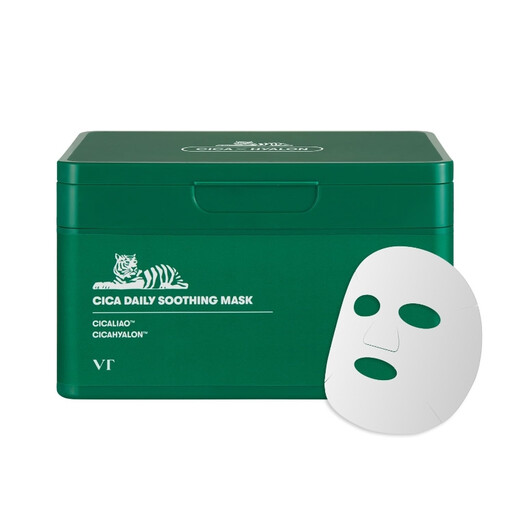
Why this product suits this profile: The pack contains 30 sheet masks with 350 g of product and is designed for a short daily application of 10 to 20 minutes.
The individual sheets are stored in a dispenser and removed using the included tweezers. This helps reduce contact with the remaining contents.
0.2-mm sheet, 30 individual masks, plus Cica ingredients, panthenol and sodium hyaluronate as stated in the formula.
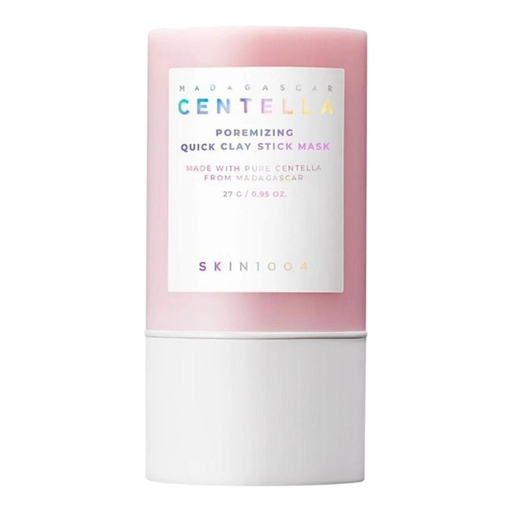
Why this product suits this profile: The 27-g stick format is designed for targeted application to the face or décolletage and is suitable for a routine used once or twice a week.
The stick format limits the amount dispensed and avoids having to dip directly into a jar. If you have dry or sensitive skin, start by applying it sparingly.
27 g stick packaging, plus kaolin, bentonite and Centella asiatica extract listed in the product description.
We have put together a complete, regularly updated list of products that fully meet these strict selection criteria and the safety regulations applicable in the EU.
Cleanse your face and pat it dry gently. Apply a wash-off mask evenly or place a sheet mask on your face without creases. Avoid the eye and lip areas. Follow the stated application time and apply a cream afterwards if your skin feels dry.
A patch test is recommended when using a new face mask. Stop using the product if you experience burning, itching, swelling or persistent redness. Cosmetic masks should not be applied to injured, inflamed or severely irritated skin. The packaging and current INCI list take precedence over older information found online.
This depends on the format and your skin type. A clay face mask is usually used once or twice a week. Lightweight hydrating masks may be used more frequently, depending on the manufacturer's instructions. If you have dry or sensitive skin, starting with a low frequency is a sensible approach.
A single sheet mask is intended for one use and should not be stored after opening. For multi-packs, shelf life and suitability for use depend on the best-before date, packaging instructions and hygienic storage. Individual sachets generally protect the contents better from repeated exposure to air.
Divide the purchase price by the number of usable applications. With a pack containing 30 sheet masks, one mask generally represents one application. For products in a jar, the calculation also depends on how much product is used per application. The application time, rinsing and subsequent skincare can also affect how practical the product is for everyday use.