
Lieferung heute & morgen

Qualitätsgarantie

Willkommens-Angebote freischalten: KOSTENLOSE Lieferung | Bis zu 80 % RABATT | Kostenlose 30-Tage-JoyPlus-Testphase
App herunterladen
A face mask can complement your skincare routine, but it cannot replace gentle cleansing or individually tailored basic skincare. The key is whether the texture, ingredients and application time suit your skin. If you focus only on terms such as “detox”, “glow” or “anti-ageing”, you may easily end up buying a product that feels uncomfortable in everyday use or places unnecessary strain on your skin.
A pore-cleansing mask can remove excess sebum and surface residue. However, visibly refined pores after application should not be confused with a permanent change in pore size. For blemish-prone or oily skin, a suitable skincare routine is therefore more important than particularly intensive individual treatments.
Kaolin, bentonite, illite and other clays differ in their formulations and are combined with different humectants, oils or soothing ingredients. A clay mask does not automatically have to leave your skin feeling tight. Nevertheless, it should not be left on the skin for longer than stated. Complete, cracked drying is not a reliable sign of better cleansing.
Plant extracts, essential oils, fragrances and bee-derived ingredients may not be suitable for everyone. A Korean face mask should also be assessed by checking the complete INCI list. If you have sensitive skin, a compatibility test on a small area of skin is recommended. Do not apply products to irritated, damaged or sun-exposed skin.
A wash-off mask is removed with water after the application time. It is suitable for targeted skincare over a limited period. Sheet masks are usually soaked in a liquid essence and removed after 10 to 20 minutes. Peel-off products form a film that is then gently peeled away. For people with sensitive or redness-prone skin, peeling the mask off may be less comfortable than rinsing it away.
Depending on the product, recommended application times range from around five to 20 minutes. Using more product or leaving it on for longer does not automatically produce better results. After use, cleanse your skin with lukewarm water and then apply your usual skincare. Stop using the product if you experience burning, persistent itching or pronounced redness.
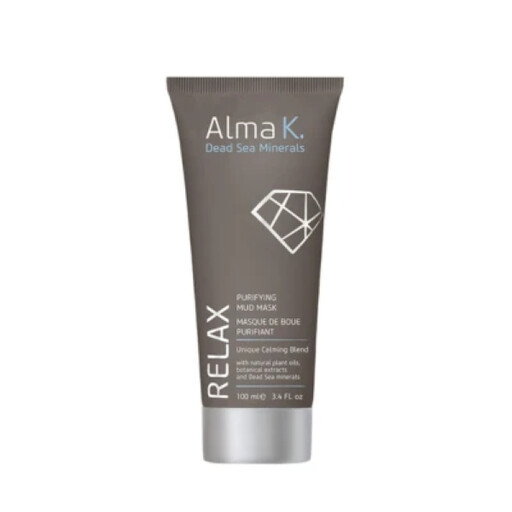
Why this product suits the profile: The 100 ml size offers an accessible introduction to a clarifying wash-off mask. According to the product description, it contains Dead Sea mud together with algae, cucumber and borage oil extracts.
The product description lists specific ingredients rather than making a blanket claim about permanently reducing pore size. Use can be limited to the intended, time-controlled cleansing routine.
Mud mask with algae, cucumber extract and borage oil; designed for classic rinse-off use.
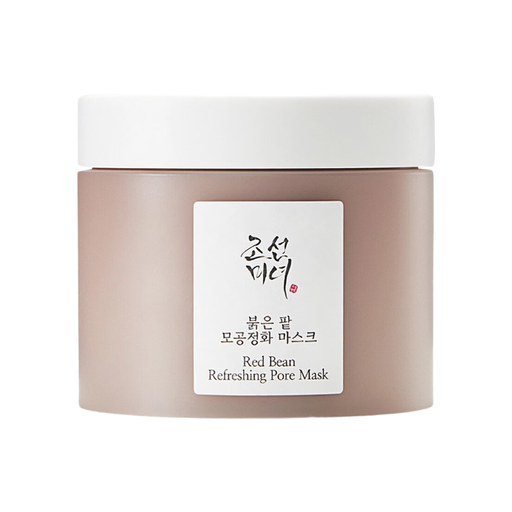
Why this product suits the profile: This Korean wash-off mask combines kaolin with red bean powder and extract. It appeals to buyers who want to combine cleansing with gentle mechanical exfoliation.
The stated application time is five to ten minutes. This makes it easier to control than products intended to remain on the skin for longer periods.
Kaolin, red bean powder and glycerine; 140 ml content; rinse off with lukewarm water.
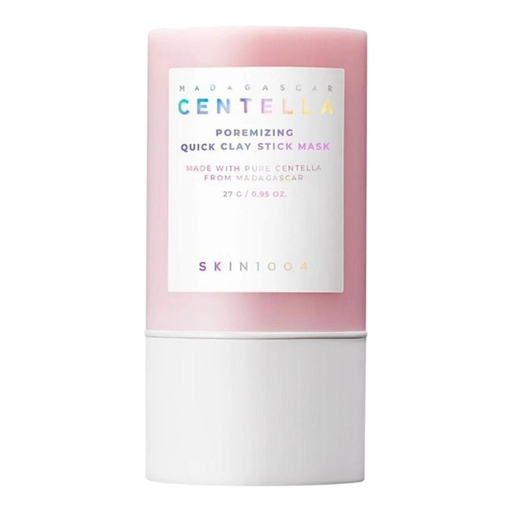
Why this product suits the profile: The stick format enables targeted application, for example only to the T-zone. According to the ingredient list, the mask contains kaolin, bentonite and Centella asiatica extract.
Applying it as needed to individual areas of the face reduces unnecessary product contact on dry or sensitive areas.
Practical stick format, 27 g content, kaolin at eight per cent according to the stated INCI list, and Centella asiatica extract.
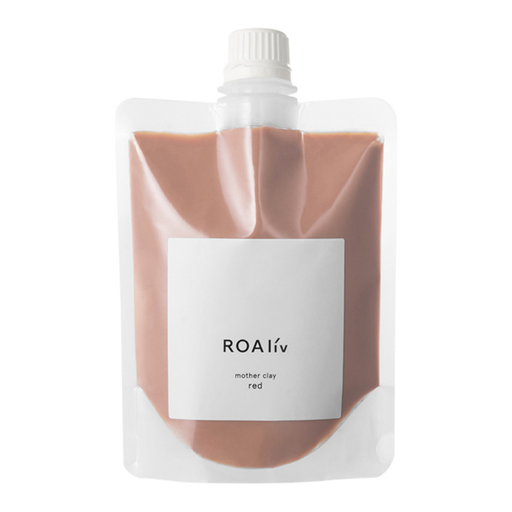
Why this product suits the profile: According to the product details, the creamy clay formulation combines kaolin and sea mud with argan oil, squalane, glycerine and several ceramides.
The description mentions a creamy, non-drying texture and a short application time of around five minutes. This makes it easier to use sparingly.
200 g content; kaolin, sea mud, argan oil, squalane and ceramides in the stated ingredient list.
We have put together a complete, regularly updated list of products that fully meet these strict selection criteria and the safety regulations applicable in the EU.
For products in jars, also make sure your hands are clean or use a suitable spatula. The best-before or period-after-opening symbol and the batch number can be found on the packaging. With sheet masks, the individual sachet is normally intended for single use.
This depends on the product type and how your skin reacts. Clay and cleansing masks are often recommended once or twice a week; some products specify two to three times a week. Moisturising masks may be used more frequently, depending on their formulation. The information on the packaging is the deciding factor.
A face mask for blemishes may contain kaolin, bentonite, activated charcoal or salicylic acid. If you have sensitive skin, carry out a patch test first. A mask removes surface residue, but it does not replace dermatological treatment for persistent or inflammatory skin problems.
The open-jar symbol on the packaging, such as “12M”, provides guidance. If the smell, colour, consistency or skin feel changes, stop using the product regardless. Check the exact expiry date and batch number directly on the relevant packaging.