
Lieferung heute & morgen

Qualitätsgarantie

Willkommens-Angebote freischalten: KOSTENLOSE Lieferung | Bis zu 80 % RABATT | Kostenlose 30-Tage-JoyPlus-Testphase
App herunterladen
A face mask can be a targeted addition to your skincare routine, especially when your skin feels dry, tight or tired. However, there is a wide range to choose from: sheet masks, hydrogel masks, overnight masks and creamy formulations differ significantly in terms of wear time, ingredients and application.
If you focus only on terms such as “glow”, “pore refining” or “collagen”, you can easily end up choosing a product that does not suit your skin type. The following criteria will help you assess marketing claims and select a suitable moisturising face mask.
Collagen, hyaluronic acid, ceramides and PDRN may sound precise, but on their own they reveal little about whether a product is genuinely suitable. What matters is the full INCI list, the concentration, the product format and the recommended leave-on time. A collagen mask, for example, may primarily provide hydration without creating a lasting firming effect.
Terms such as “minimise pores” often refer to the appearance of the skin. Visible pores cannot be permanently “closed”. Well-hydrated skin can, however, appear smoother temporarily.
A sheet mask for the face is usually designed to be worn for around 10 to 20 minutes. A hydrogel or overnight face mask remains on the skin for considerably longer. If you leave a sheet mask on for too long, you may experience an unpleasant feeling of tightness once the material dries out.
Before buying, check the application instructions, leave-on time and recommended frequency of use. “Longer” does not automatically mean “more effective”.
Even a hydrating mask may not be suitable for sensitive skin. Fragrances, essential oils, alcohol or certain plant extracts can cause problems for some individuals. This is particularly relevant if the skin is already irritated or damaged.
A patch test on a small area of skin is recommended before using the product for the first time. If redness, itching or a burning sensation occurs, stop using the product. Face masks are intended for external use only and should not be applied to damaged skin.
The right face mask should first and foremost match your skin’s current needs:
A traditional sheet mask sits directly on the skin and distributes serum evenly. Cellulose or bio-cellulose materials can fit closely to the contours of the face. Hydrogel masks have a gel-like texture, often adhere for longer and dry out at different rates depending on the product.
Cream masks are applied in a thin layer and then removed or rinsed off. They are practical when you want to control the amount used. With an overnight mask, check whether it is intended to be the final step in your evening routine and whether it needs to be rinsed off in the morning.
Single masks offer hygienically portioned application. Multipacks containing 10 or 18 sheet masks can be more economical for regular routines, but they need to be stored in a dry place away from direct light. Once a multipack pouch has been opened, the seal must be closed carefully.
The best-before date or the information on the packaging, as well as the current INCI list for the specific product, should always be taken as authoritative. Formulations can change.
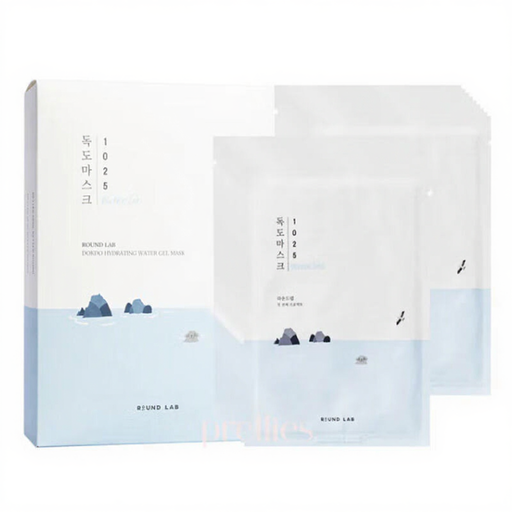
Why this product suits this profile: The pack of 18 biodegradable cellulose masks is suitable for regular hydrating skincare at home. According to the product information, it is intended for all skin types, including sensitive skin.
The clear leave-on time of 10 to 20 minutes prevents unnecessarily long wear. The formula contains several forms of hyaluronic acid, as well as panthenol and allantoin.
18 individual masks, a thin cellulose base and an ingredient profile focused on hydration.
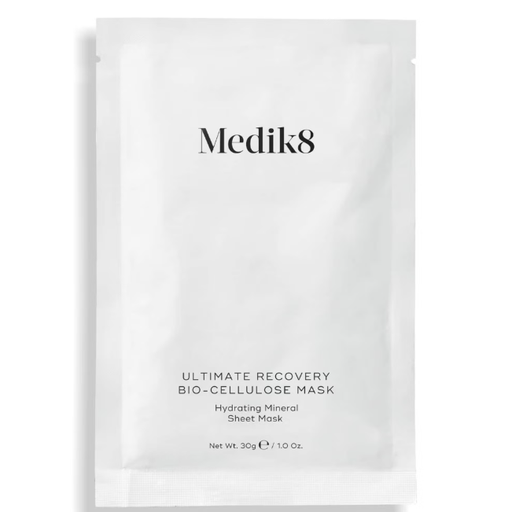
Why this product suits this profile: This bio-cellulose mask is interesting for people who value a close-fitting design and a pared-back formula without alcohol, parabens, phthalates or artificial fragrances.
The description of millions of tightly woven natural fibres is more specific than a simple glow claim. The mask is removed after 20 to 30 minutes.
Bio-cellulose material, six individual masks, plus hyaluronic acid, fucoidan extract and zinc in the formula.
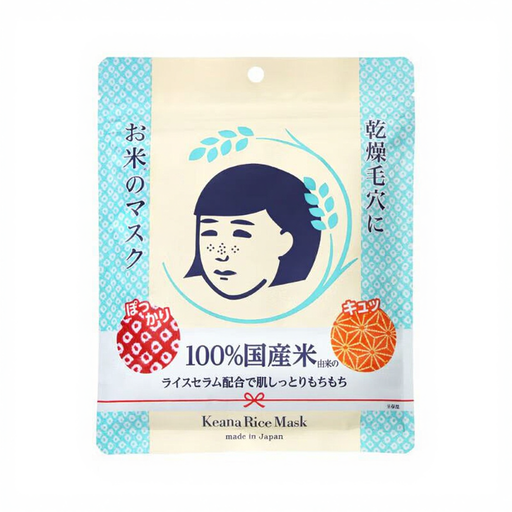
Why this product suits this profile: The pack of ten sheet masks is aimed at users who prefer a Japanese skincare routine and rice-based ingredients such as ferment filtrate, rice bran oil and glucosyl ceramide.
The application time is clearly set at five to ten minutes. This makes the mask suitable for a structured routine without requiring a lengthy wear time.
Ten masks, a thick, adhesive sheet and several rice derivatives in the so-called Rice Serum.
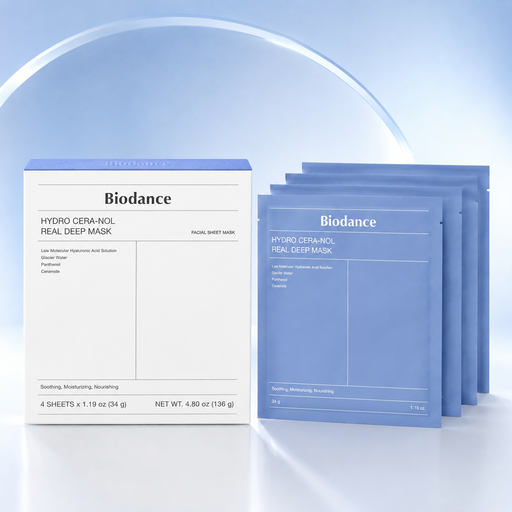
Why this product suits this profile: This hydrogel mask is designed for longer applications and, according to the product information, can be worn for three to four hours or overnight.
The recommended wear time is stated explicitly. Instead of focusing on a single key ingredient, the INCI list includes panthenol, ceramides and several forms of hyaluronic acid.
Four hydrogel masks per pack, plus ceramides NP, NS, AP, AS and EOP in the stated formula.
We have put together a complete, regularly updated list of products that fully meet these strict selection criteria and the safety regulations applicable in the EU.
A face mask is not a substitute for daily cleansing, skincare or sun protection. If you have sensitive skin, test the product on a small area first.
This depends on the product and your skin type. Many sheet masks are recommended once or twice a week. According to the product information, an overnight mask may, for example, be used two or three times a week. More frequent use is not automatically beneficial; the instructions on the packaging should always be followed.
Around 10 to 20 minutes is standard, although some products differ. Remove the mask before the sheet dries out completely. A hydrogel mask or a special overnight mask may have a considerably longer wear time.
Fragrance-free products with a straightforward formula and soothing, hydrating ingredients such as panthenol, glycerin or allantoin are often suitable. However, every person’s skin reacts differently. If you know your skin is sensitive, check carefully for fragrances, essential oils and alcohol. If skin problems persist, it is advisable to seek dermatological advice.