
Lieferung heute & morgen

Qualitätsgarantie

Willkommens-Angebote freischalten: KOSTENLOSE Lieferung | Bis zu 80 % RABATT | Kostenlose 30-Tage-JoyPlus-Testphase
App herunterladen
A face mask can complement your skincare routine when its texture, ingredients and how you use it suit your skin. But if you focus only on claims such as “detox”, “minimises pores” or “anti-ageing”, it’s easy to buy something that doesn’t meet your actual needs. The following criteria can help you compare face masks for dry, oily or blemish-prone skin.
Descriptions such as spot-fighting mask, “cleansing” or “pore-refining” often indicate the type of skincare a product is intended to provide, but they don’t prove that it has a medical effect. A clarifying face mask can absorb excess oil or cleanse the skin’s surface, but it is not a substitute for dermatological treatment.
Clay, activated charcoal, salicylic acid and alcohol can all affect skin differently, depending on the formula and your skin’s condition. A clay mask doesn’t need to dry completely and leave your skin feeling tight before you can use it. If you have sensitive or dry skin, it’s a good idea to keep the mask on for less time, test it on a small area first and follow with a moisturiser.
A pack of 30 sheet masks may look like a good deal at first glance. But it’s worth considering the amount per use, how long the product lasts after opening and how often you’ll actually use it. If you’re using a mask in a tub, make sure to use clean hands or a spatula.
Before choosing a face mask, decide what you most want it to do:
The INCI list on the packaging is the key reference. Fragrance, essential oils, alcohol and certain plant extracts may be relevant for some people. If you have any known allergies, check the full ingredients list before buying.
A patch test on a small area of skin can’t guarantee that you’ll tolerate a product, but it’s an extra precaution when using it for the first time. Don’t apply masks to open, damaged or severely irritated skin. Stop using the product if you experience burning, redness, swelling or itching.
A sheet mask is individually portioned and convenient for travel. A wash-off mask in a tub or stick can be applied to specific areas of the face. A clay mask or detox face mask needs to be rinsed off afterwards with lukewarm water.
Check the following:
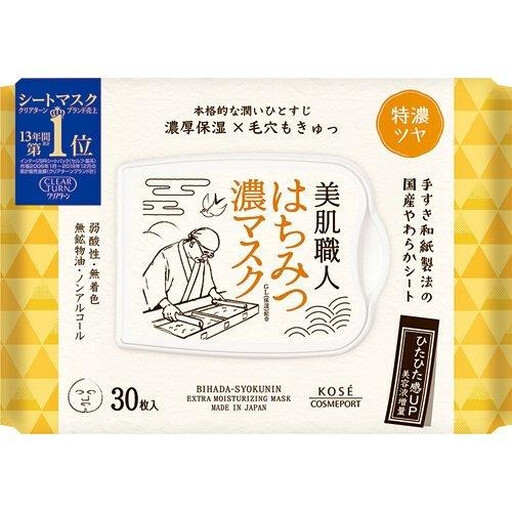
Why this product suits this shopper: The large pack contains 30 sheet masks for regular hydration, and each one is easy to remove individually.
The pack size makes it easier to compare the cost per use. The recommended application time is around 10 minutes.
Sheet mask format, 30 individual sheets and a formula with glycerin and honey, according to the product information.
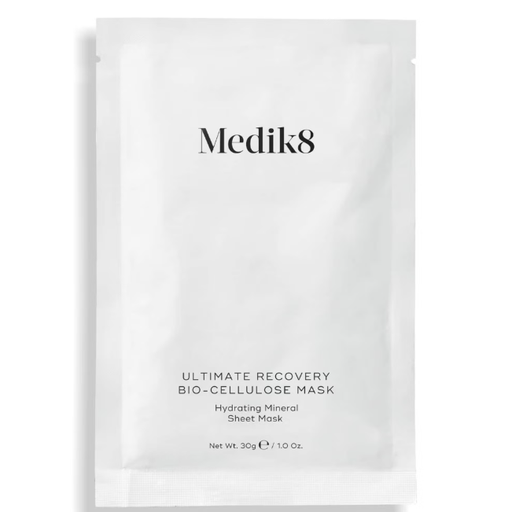
Why this product suits this shopper: The fine bio-cellulose material is designed to fit closely to the contours of your face, making it suitable for intensive hydration.
The specified application time of 20 to 30 minutes helps prevent the mask from being left on the skin for too long. You can check the ingredients list before buying.
Six masks per pack, plus hyaluronic acid, Zinc PCA and algae extract, according to the product description.
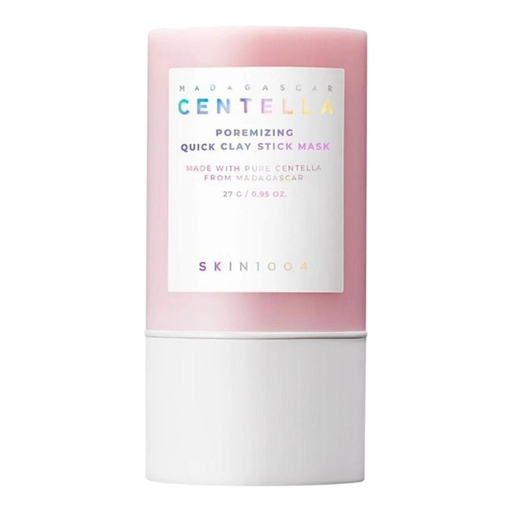
Why this product suits this shopper: The stick format lets you apply the mask precisely to areas such as your forehead, nose or chin, without covering your whole face.
Applying it to specific areas can help you avoid drying out cheeks that are already dry. The manufacturer lists kaolin and bentonite among the ingredients.
A practical stick format, 27 g of product, plus Centella Asiatica extract and clay, according to the product information.
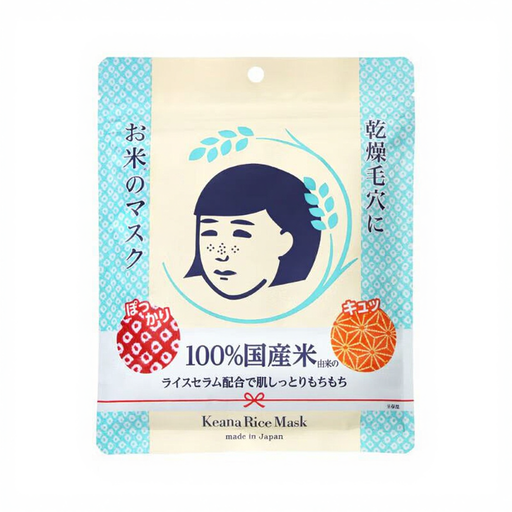
Why this product suits this shopper: This Japanese sheet mask comes in a set pack and is described as providing hydration for dry, uneven skin.
The recommended application time is clearly limited to 5 to 10 minutes. The product description also lists alcohol in the INCI ingredients, which is worth checking if you have sensitive skin.
Ten sheets per pack, plus rice extract, rice germ oil and glucosylceramide, according to the product information.
We’ve put together a complete, regularly updated list of products that meet these strict selection criteria and the safety requirements in force in the EU.
It depends on the formula. Hydrating sheet masks are sometimes used more frequently, while clay, mud or detox masks are often intended for use once or twice a week. Follow the manufacturer’s instructions and pay attention to how your skin reacts.
Use unopened products by the best-before date printed on the packaging. Once opened, the recommended period varies depending on the product. For tubs, multi-use sachets and packs with resealable closures, check the relevant instructions on the packaging.
A clarifying face mask with clay, activated charcoal or salicylic acid can help cleanse the skin. If your skin is sensitive, inflamed or damaged, avoid harsh treatments. If symptoms persist, seek advice from a dermatologist.