
Lieferung heute & morgen

Qualitätsgarantie

Willkommens-Angebote freischalten: KOSTENLOSE Lieferung | Bis zu 80 % RABATT | Kostenlose 30-Tage-JoyPlus-Testphase
App herunterladen
A face mask can be a valuable addition to your skincare routine to address specific concerns like dehydration, fine lines, or skin irritation. However, the market is overwhelming and filled with marketing promises that often create more confusion than clarity. Many users invest in products that don't suit their skin type or contain advertised active ingredients in concentrations too low to achieve a visible effect.
This guide will help you understand the key criteria. We'll show you how to spot empty marketing claims and choose a face mask based on objective parameters and your skin's specific needs.
Before making a decision, it's helpful to know the most common mistakes that can lead to unsatisfactory results.
To make an informed choice, focus on three objective criteria: mask type, key active ingredients, and recommended use.
The texture and carrier material of a mask significantly determine its application and effect.
The effectiveness of a mask depends on its active ingredients. Look for proven ingredients that are relevant to your skin goals.
Check the manufacturer's recommended application time and frequency. Some masks are designed as a quick 3-minute treatment, while others are intended for a 15- to 20-minute skincare ritual. Adhering to these guidelines is important to achieve the intended result and avoid skin irritation.
Based on the criteria above, we have compiled a selection of products for different user profiles and skin goals.
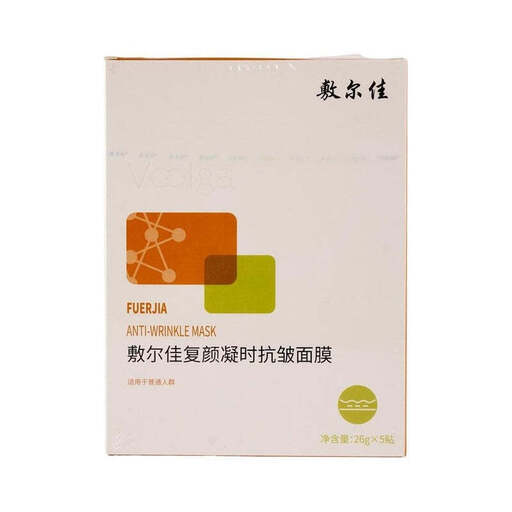
Why This Fits Their Persona: Suitable for users seeking a revitalising mask focused on firmness and reducing fine lines. The formula is designed for the needs of more mature skin or as a preventive anti-aging measure.
This mask avoids the trap of vague ingredient advertising by highlighting a specific triple-peptide complex (including Acetyl Hexapeptide-8) as a core component. This signals a targeted, active-ingredient-based formulation.
The combination of peptides, sodium hyaluronate, and ceramides aims to firm the skin while strengthening the moisture barrier. The sheet mask format allows for an even delivery of active ingredients.
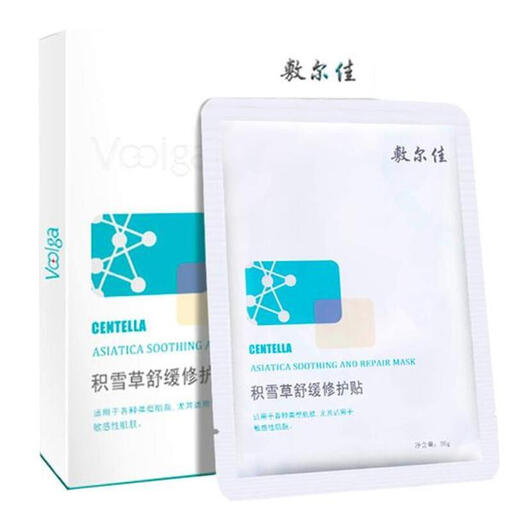
Why This Fits Their Persona: Developed for individuals with sensitive, redness-prone, or irritated skin. It is also suitable for post-procedure care after dermatological treatments like lasers or peels to soothe the skin and support skin barrier regeneration.
This product avoids the mistake of using an unsuitable mask type. It is explicitly designed for sensitive skin and relies on the proven active ingredient Centella Asiatica instead of potentially irritating ingredients.
The main active ingredient, Centella Asiatica, is known for its soothing and repairing properties. The formulation aims to reduce redness and strengthen the skin barrier.
We have curated a comprehensive selection of products tailored to different skin needs and care goals. Discover more masks that meet our selection criteria.
The frequency of use depends on the mask type and your individual skin condition. Hydrating sheet or gel masks can be used 1-3 times a week as needed. More intensive masks, such as those with clarifying or exfoliating effects, should be used less often, about once a week, to avoid overwhelming the skin. Always follow the manufacturer's recommendations.
A single face mask can temporarily make the skin appear plumper and smoother through intense hydration, which can soften fine dehydration lines. However, a sustainable reduction of deeper wrinkles requires a consistent skincare routine that includes not only an anti-wrinkle mask but also daily products with anti-aging ingredients (e.g., serums, creams) and consistent sun protection.
The main difference is the material. Sheet masks are usually made of cotton or fleece and are soaked in a liquid essence. They are very effective at delivering moisture quickly. A hydrogel mask consists of a thick, gel-like polymer that adheres to the face like a second skin. Hydrogel masks often have a stronger cooling effect and can deliver active ingredients evenly over a longer period due to their excellent adhesion.