
Lieferung heute & morgen

Qualitätsgarantie

Willkommens-Angebote freischalten: KOSTENLOSE Lieferung | Bis zu 80 % RABATT | Kostenlose 30-Tage-JoyPlus-Testphase
App herunterladen
As your Joybuy Product Recommendation Officer, I see every day how overwhelming the skincare market can be. Especially when choosing a face mask, exaggerated marketing claims often lead to disappointment and buyer's remorse. The goal of this guide is to provide you with objective criteria to make an informed decision and find a mask that truly suits your skin's needs.
You should be aware of two common pitfalls:
To avoid these traps, you should check three key aspects before buying. These will help you objectively assess a product's performance.
A look at the INCI list (International Nomenclature of Cosmetic Ingredients) is more revealing than any marketing message. Ingredients are listed in descending order of concentration. If the advertised main active ingredient is far down the list, its concentration is likely low.
Also, pay attention to the formulation. An anti-aging mask, for example, benefits from stabilized forms of retinol like Hydrogenated Retinol and modern delivery systems (e.g., nanocapsules) that transport the active ingredient deeper into the stratum corneum. A simple retinol mask without this technology may be less effective.
The type of mask largely determines its primary function. Each type is suited for different skin goals:
Before you buy, define your primary skincare goal. Are you looking for a quick fix for dry skin, a deep-cleansing treatment for clogged pores, or a regenerating treatment to reduce fine lines? Your answer will determine which active ingredients and mask type are most suitable for you.
Based on the criteria above, we have identified several products suitable for different user profiles and skin goals.
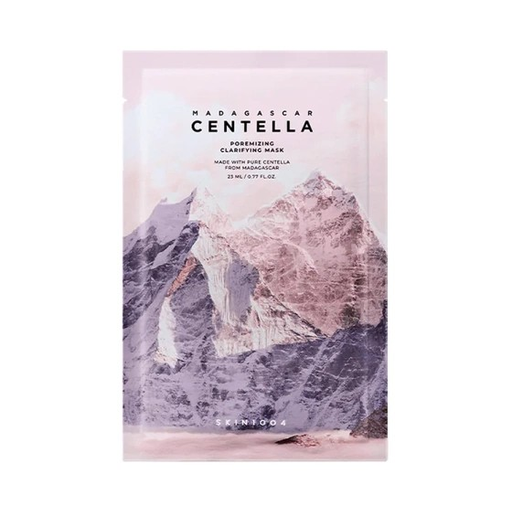
Why This Fits Their Persona: Ideal for those with oily skin and enlarged pores who are looking for a clarifying but non-drying treatment. The sheet mask is easy to use and delivers targeted active ingredients.
Instead of an aggressive "all-in-one" solution, this mask specifically combines soothing Centella Asiatica Extract with mild acids (PHA, LHA) for a targeted yet gentle pore clarification.
Clarifies pores while simultaneously soothing the skin to prevent irritation, which can often occur with purifying masks. The formula supports the skin barrier.
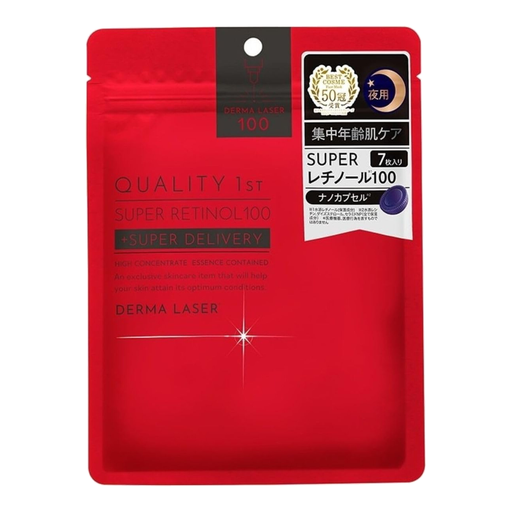
Why This Fits Their Persona: Designed for users seeking an intensive treatment for fine lines, wrinkles, and loss of firmness who value an advanced formulation.
This mask avoids the ineffective formulation trap. It doesn't just rely on retinol but uses a high concentration of four types of retinol encapsulated using nanocapsule technology for deep penetration.
Provides an intensive night treatment that, according to the manufacturer, works in just 3 minutes. The formula is free of preservatives, alcohol, and fragrance.
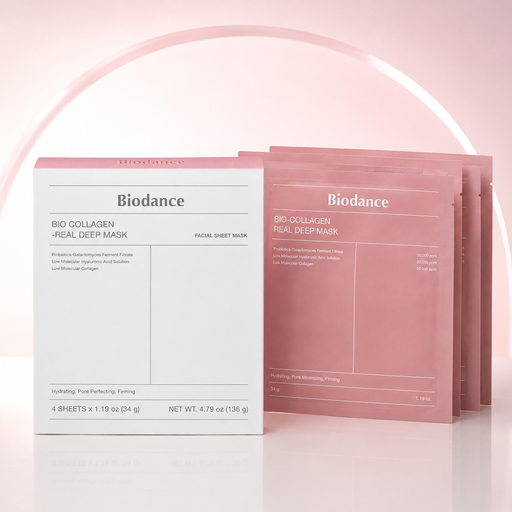
Why This Fits Their Persona: Perfect for users with dry, dehydrated skin or for K-Beauty trend enthusiasts aiming for an intense moisture boost and the "glass skin" effect.
This is not a generic hydrating mask. As a specialized hydrogel mask, it can be worn for hours or overnight, continuously releasing moisture and active ingredients like Oligo-Hyaluronic Acid and collagen.
The mask turns transparent once the active ingredients are fully absorbed by the skin, serving as a visual indicator of its effectiveness. It adheres perfectly, allowing for freedom of movement.
We have compiled a complete, up-to-date list of products that fully meet these strict selection criteria and comply with current safety regulations.
The frequency of use depends on the mask type and your skin condition. Mild hydrating masks can be used 2-3 times a week. Clarifying clay or charcoal masks should be used less often, about once a week, to avoid drying out the skin. Intensive treatments, like a highly concentrated retinol mask, should be used according to the manufacturer's instructions, often only 1-2 times a week.
No, daily use of a retinol mask is generally not recommended. Retinol is a potent active ingredient that stimulates cell turnover and can lead to irritation, redness, and dryness if used too frequently. Stick to the recommended frequency on the product packaging. Important: Always use a broad-spectrum sunscreen during the day after using retinol products, as the ingredient can make your skin more sensitive to light.
The main difference lies in their function and composition. A sheet mask is a non-woven fabric soaked in serum that primarily delivers moisture and active ingredients to the skin (a hydrating function). A clay mask has a creamy or paste-like texture and contains ingredients like kaolin or activated charcoal. Its main function is to absorb excess oil and cleanse the pores (a clarifying function). It dries on the skin and is then washed off.