
Lieferung heute & morgen

Qualitätsgarantie

Willkommens-Angebote freischalten: KOSTENLOSE Lieferung | Bis zu 80 % RABATT | Kostenlose 30-Tage-JoyPlus-Testphase
App herunterladen
A face mask can be a targeted addition to your skincare routine – whether you're dealing with dry skin, a dull complexion or extra care needs. However, textures, application times and ingredients vary significantly. A high price or terms like "glow", "collagen" and "deep hydration" alone don't tell you much about whether a product suits your skin and your lifestyle.
"Firming", "clarifying" or "anti-ageing" are common product claims. What's far more telling is the full INCI list: humectants like glycerin or hyaluronic acid can help hydrate the skin, while ceramides and panthenol in formulations may support the skin barrier. Don't expect any product to deliver visible changes to skin texture or wrinkle reduction as a blanket promise.
A sheet mask is usually designed for a short application of around 10 to 20 minutes. A hydrogel mask can be worn for several hours depending on the product, while a sleeping mask stays on your face overnight. If you leave a sheet mask on for too long, it can dry out and feel uncomfortable. Always follow the manufacturer's instructions on the packaging and product page.
Even a face mask labelled for sensitive skin isn't automatically suitable for everyone. Fragrances, essential oils, propolis, bee products or certain plant extracts can be problematic for some individuals. Before using any product for the first time, do a patch test on a small area of skin. If you experience stinging, redness or itching, wash the product off and stop using it.
A sheet mask is convenient for a quick application and comes pre-soaked in serum. A hydrogel mask tends to fit snugly on the skin and can have a longer wear time. A cream or wash-off mask allows you to control the amount and is often suitable for repeated use. Also check whether you need to avoid the eye and lip area, and whether the mask needs to be rinsed off or simply removed.
Pay attention to the fill size, the number of individual masks and the recommended frequency. A multi-pack can be more economical for regular users, while a single mask is a good way to try something new. Information about shelf life, batch number and storage is on the packaging. Some products should be kept away from heat, direct sunlight or frost.
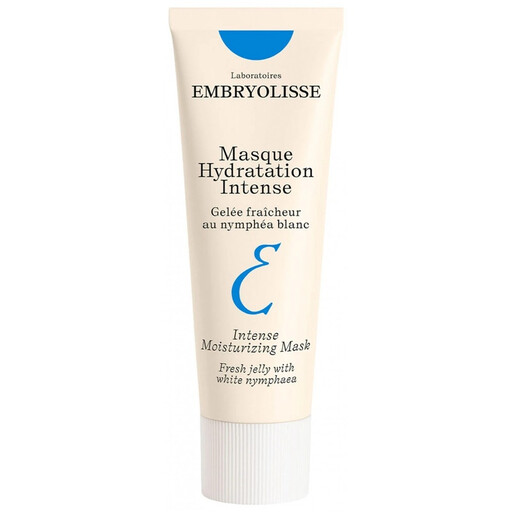
Why this product fits the profile: This 50 ml cream mask is applied thinly after cleansing and removed or rinsed off after about 15 minutes. It's a straightforward introduction to hydrating skincare.
The short, clearly described application prevents the product from being accidentally worn overnight. The INCI list includes hyaluronic acid, glycerin and panthenol, among others.
Creamy texture, 50 ml content and can be used during the day or evening.
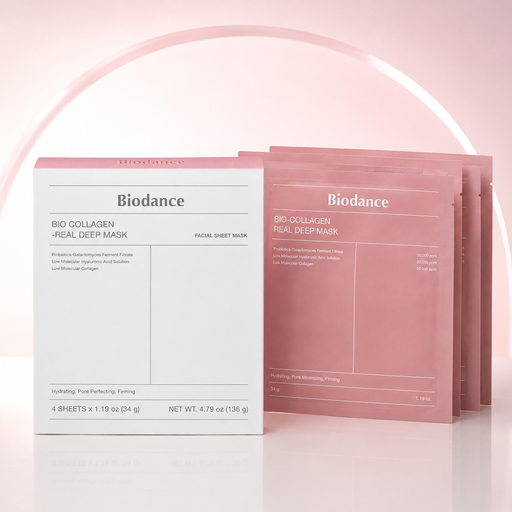
Why this product fits the profile: This Korean hydrogel mask comes in a pack of 4, each containing 34 g, and is designed for a wear time of three to four hours or overnight.
The unusually long wear time is clearly stated and should not be confused with the short application of a classic sheet mask. A patch test is recommended.
Hydrogel format, 4 individual masks and ingredients including collagen extract, niacinamide and various forms of hyaluronic acid.
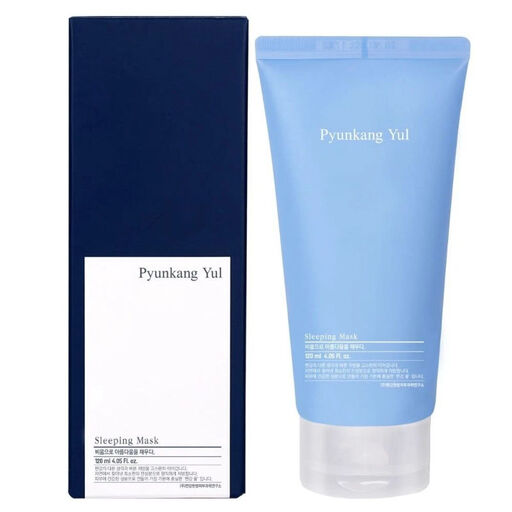
Why this product fits the profile: A larger quantity and use as an intensive night treatment appeal to those who want to add regular barrier support to their evening routine.
The product description highlights ceramides and panthenol rather than just a generic "glow" effect. It's applied as the last step of your skincare routine.
120 ml content, ceramides and panthenol; according to the product information, suitable for sensitive and irritation-prone skin.
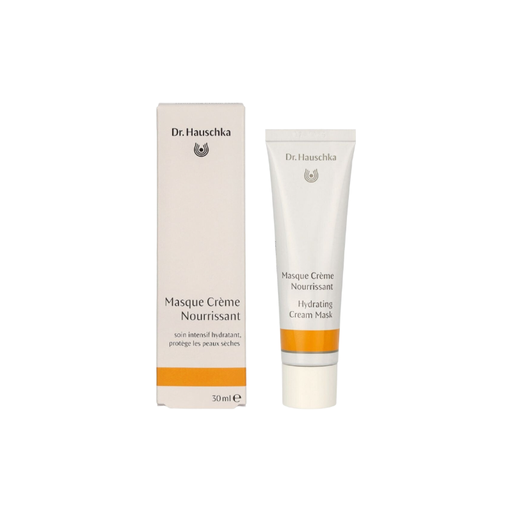
Why this product fits the profile: This rich cream mask is described as suitable for dry, sensitive and mature skin, and is used once or twice a week.
The application is designed for limited weekly use. At the same time, those with fragrance or plant allergies should check the listed essential oils and allergens.
30 ml content, rich texture and plant oils and waxes in the stated formulation.
We've put together a full, regularly updated list of products that fully meet these strict selection criteria and the safety regulations in force in the EU.
It depends on the format and formulation. Many hydrating masks are used one to three times a week. Clarifying or exfoliating products are usually intended for less frequent use. Always follow the specific manufacturer's instructions.
Unopened products usually have a best-before or batch code on the packaging. After opening, look for the PAO symbol, for example "12M", if present. Products with a changed smell, colour or consistency should not be used.
A sheet mask offers a short, serum-like application. For dry skin, a cream mask with a richer texture may fit better into your existing skincare routine. However, what really matters are the specific ingredients, the application time and your personal tolerance.