
Lieferung heute & morgen

Qualitätsgarantie

Willkommens-Angebote freischalten: KOSTENLOSE Lieferung | Bis zu 80 % RABATT | Kostenlose 30-Tage-JoyPlus-Testphase
App herunterladen
A face mask can complement your skincare routine, but your choice shouldn’t be based on the packaging, fragrance or marketing claims alone. Depending on your skin type and what you want from it, you might consider a clay, gel, cream or sheet mask. The key things to check are the full INCI list, the recommended application time and whether the formula is suitable for your skin.
Labels such as detox face mask, “purifying” or “detoxifying” often describe the product’s intended cosmetic positioning. A clay mask can absorb excess oil and leave skin looking cleaner after rinsing. However, it doesn’t remove toxins from your body or replace dermatological treatment.
A face mask for sensitive skin can still contain fragrance, essential oils or potentially irritating ingredients. Similarly, a face mask for blemish-prone skin won’t necessarily suit every type of blemish. That’s why the INCI list and any warnings on the packaging are more important than general claims such as “for all skin types”.
Using a clay or acid mask for longer doesn’t automatically give better results. If a mask dries completely or is used more often than recommended, your skin may feel dry or tight. A short application followed by suitable skincare is usually a better choice than overuse.
Common ingredients in a hydrating face mask include glycerin, panthenol and sodium hyaluronate. A purifying face mask may contain clay, activated charcoal or certain acids. Salicylic acid, PHA and AHA products should be used exactly as directed. Not every formula is suitable for irritated, damaged or recently treated skin.
If you’re looking for an anti-ageing face mask, take a clear-eyed look at the formula. Terms such as collagen, ginseng and peptides describe ingredients, but don’t prove that a product will provide lasting firming or reduce wrinkles. A pore-refining mask will generally make the surface of your skin look temporarily smoother or more even.
Before buying, check:
If you have sensitive skin, it’s a good idea to test the product on a small area first. If you experience burning, swelling, severe itching or persistent redness, wash the product off and stop using it.
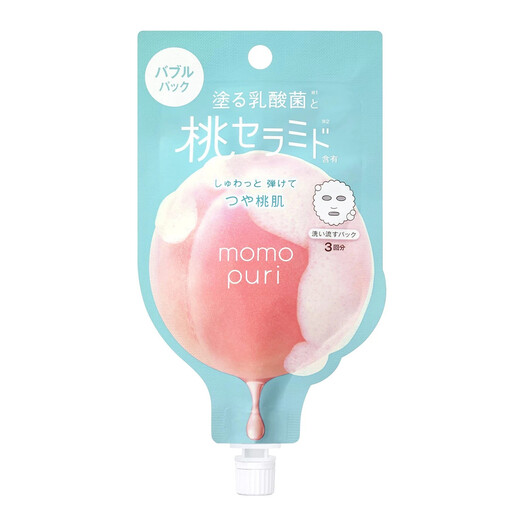
Why this product suits this profile: The foaming action makes it easy to use, so it’s a good fit if you prefer a quick, clearly defined skincare routine.
The instructions clearly specify which areas to avoid and list specific warning signs. This makes it easier to use the product carefully rather than leaving it on for too long.
The stated INCI list includes a foaming texture, ceramide, panthenol and sodium hyaluronate.
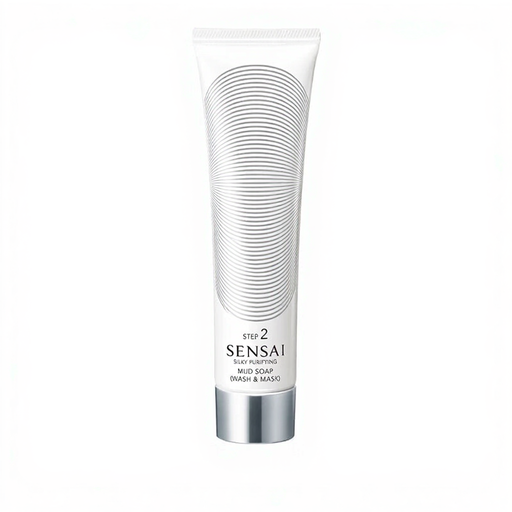
Why this product suits this profile: Its 2-in-1 design works well in a streamlined routine, with daily cleansing and an extra weekly mask treatment.
The product description distinguishes between using it as a wash and as a weekly mask. This makes it easier to adjust how often you use it to suit your skin.
The product is described as having a gel texture and Japanese Tanakura clay. According to the product details, the formula also contains squalane and hydrolysed silk.
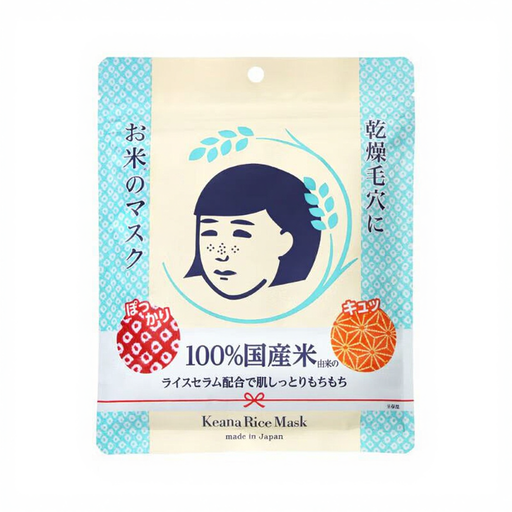
Why this product suits this profile: This pack of ten is designed for regular sheet-mask use and fits neatly into your weekly routine without taking up much space.
The recommended application time of 5 to 10 minutes helps prevent you from leaving the sheet mask on for longer than necessary. Make sure the resealable pouch is closed tightly.
A multipack featuring rice-derived ingredients such as rice ferment filtrate, rice bran oil and glucosylceramide, according to the stated INCI list.
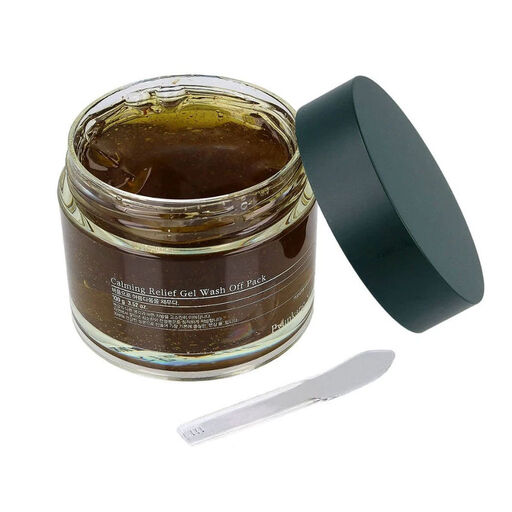
Why this product suits this profile: Its lightweight gel texture and short application time of 10 to 15 minutes make it a good fit for a gentle skincare routine.
The product information advises avoiding the eye and lip area and stopping use if irritation occurs. This helps reduce common application mistakes.
A rinse-off gel formula described as cooling and soothing. Check the full, up-to-date INCI list before buying.
We’ve put together a complete, regularly updated list of products that meet these strict selection criteria and the safety requirements in force in the EU.
It depends on the formula. A gentle hydrating face mask may be used more often, depending on the manufacturer’s instructions. Clay and acid masks are often recommended just once or twice a week. Always follow the guidance on the product packaging and pay attention to how your skin reacts.
Clay, charcoal or salicylic acid may be worth considering in a face mask for blemish-prone skin. A salicylic acid mask shouldn’t be used on irritated, broken or very flaky skin. If you have recurring or inflammatory skin problems, it’s a good idea to seek advice from a dermatologist.
A face sheet mask can be a convenient option if its formula contains hydrating ingredients and doesn’t trigger any known sensitivities. Fragrance and alcohol may be a concern for sensitive skin. It’s a good idea to do a patch test before using the mask all over your face for the first time.