
Lieferung heute & morgen

Qualitätsgarantie

Willkommens-Angebote freischalten: KOSTENLOSE Lieferung | Bis zu 80 % RABATT | Kostenlose 30-Tage-JoyPlus-Testphase
App herunterladen
A face mask can complement your skincare routine when its texture, ingredients and recommended leave-on time suit your skin’s needs. The choice ranges from clay masks for oily skin to hydrating masks for skin that feels dry. However, if you’re guided only by terms such as ‘glow’, ‘detox’ or ‘refine pores’, you could easily buy a product that isn’t right for your skin.
A cleansing mask containing kaolin, bentonite or activated charcoal can absorb excess sebum. However, if a clay mask dries out completely and leaves your skin feeling very tight, it may not be suitable for dry or sensitive skin. A matte finish doesn’t automatically mean a product is right for your skin.
An exfoliating mask containing physical particles, BHA or AHA serves a different purpose from a cleansing mask. Using several exfoliating products on the same day increases the likelihood of redness or stinging. It’s especially important to follow the product instructions on how often to use an AHA mask.
‘Korean face mask’, ‘glow mask’ and ‘anti-ageing face mask’ often describe how a product is positioned, but don’t automatically indicate a particular effect. What matters is the full INCI list, the type of product, its leave-on time and the instructions on the packaging. Fragrances, essential oils, alcohol and acids may be relevant if you have sensitive skin.
A cleansing mask is usually rinsed off after the recommended leave-on time. A peel-off mask, on the other hand, forms a film that you gently peel away. Physical exfoliating masks contain particles, while AHA masks use acids. Don’t choose between these options based solely on claims such as ‘refines pores’. Consider your skin’s sensitivity and your experience with the product instead.
Before buying, check the amount to use, leave-on time, recommended frequency and warnings. With products containing AHA or BHA, sun protection may be particularly important after use, as your skin may become more sensitive to UV radiation. Avoid the eye and lip area. If you experience stinging, a rash or severe redness, wash the product off and stop using it.
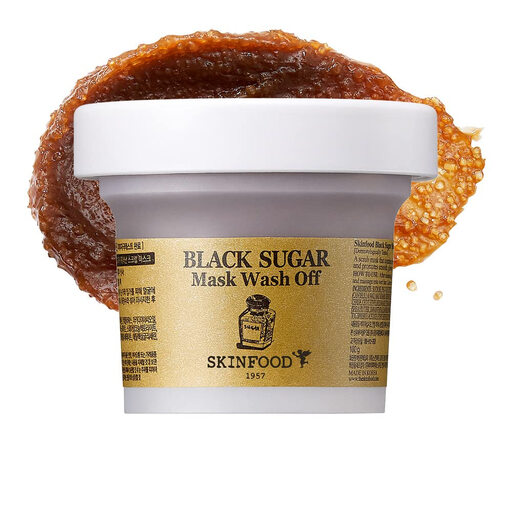
Why this product suits this profile: This rinse-off mask combines black sugar crystals, plant oil and rice wine. Apply it to damp skin after cleansing.
The stated leave-on time of 10–15 minutes and the instruction to avoid the eye and lip area make it clear how to use the mask.
120 ml; combines exfoliation with a nourishing, rinse-off mask.
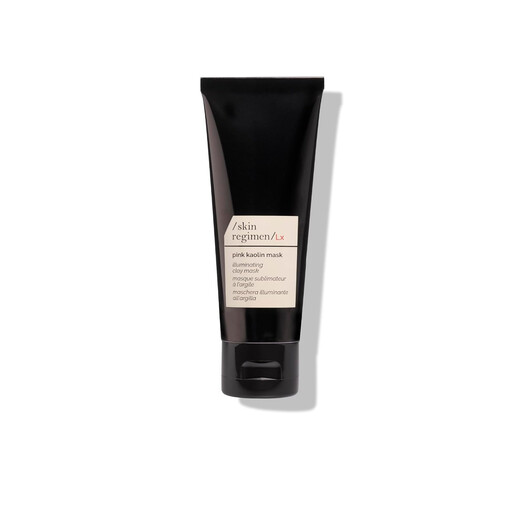
Why this product suits this profile: According to the product information, this creamy kaolin mask is suitable for all skin types, including sensitive skin, and should be used once or twice a week.
The instructions say not to let the mask dry completely. This helps you avoid judging a product’s suitability solely by how tight your skin feels.
75 ml; the product information states that 99,3 % of the ingredients are of natural origin.
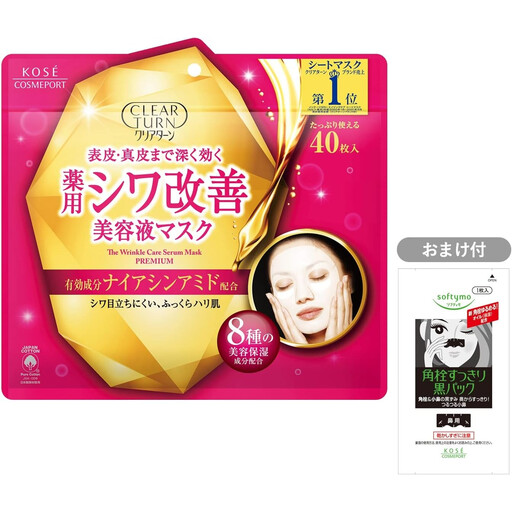
Why this product suits this profile: With 40 individual sheet masks, it’s a good choice if you prefer a quick, pre-portioned application with no rinsing required.
Pre-portioned sheets prevent you from applying too thick a layer and make it easier to keep track of the leave-on time than with a product in a jar.
40 applications per pack; convenient sheet format for regular skincare routines.
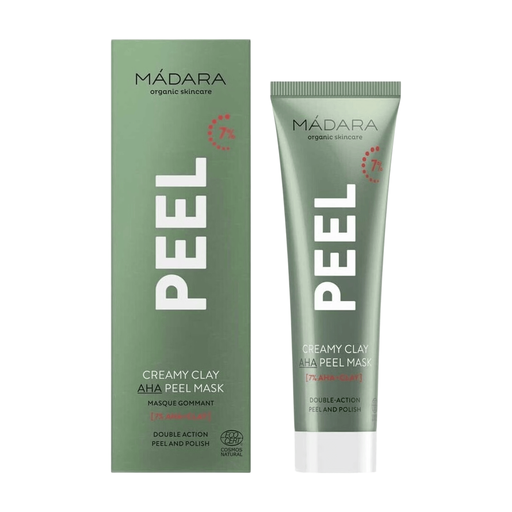
Why this product suits this profile: According to the product information, the formula contains 7 % lactic acid and micro clay, making it suitable if you’re looking for targeted exfoliation.
The product information explicitly states that it is unsuitable for sensitive or hypersensitive skin and includes a sun protection warning.
7 % lactic acid; stated leave-on time of 3–10 minutes and use up to three times a week.
We’ve put together a complete, regularly updated list of products that meet these strict selection criteria and fully comply with the safety regulations in force in the EU.
If you’re trying a new formula, it’s a good idea to test it on a small area of skin first. Always follow the ingredients list on the packaging, as formulas can change.
It depends on the product type and your skin. Clay and cleansing masks are often used once or twice a week. Depending on the instructions, you may be able to use a hydrating mask more often. Only use AHA or BHA masks as directed by the manufacturer and if your skin tolerates them well.
Depending on the formula, the recommended time is usually between around 5 and 30 minutes. Leaving a mask on for longer won’t necessarily improve the results. If you experience stinging, severe itching or noticeable redness, remove it straight away.
The price depends on factors such as the amount, format, ingredients and number of applications. If you use sheet masks regularly, a pack of 40 may work out cheaper per application than a small jar. So, the price per application is a more useful guide than the purchase price alone.