
Lieferung heute & morgen

Qualitätsgarantie

Willkommens-Angebote freischalten: KOSTENLOSE Lieferung | Bis zu 80 % RABATT | Kostenlose 30-Tage-JoyPlus-Testphase
App herunterladen
As a Joybuy Product Recommendation Officer, I analyse product information daily to help you make informed purchasing decisions. When searching for an effective face mask for pimples, it's easy to be swayed by marketing promises that often deliver less than they claim. Before you invest, it's crucial to understand the common pitfalls that lead to disappointment and wasted money.
Many products are designed for a quick sell, but their formulations can be counterproductive in the long run. Pay special attention to these two points:
To make an informed decision, you should focus on the facts, not the packaging. Three parameters are crucial for the effectiveness of a mask for blemish-prone skin.
Choosing the right ingredients is the key to success. Look for products that contain one or more of the following substances, ideally high up on the INCI list (ingredient list):
The type of mask determines how the active ingredients are delivered to the skin and for which purpose it is best suited.
Instead of making a one-size-fits-all recommendation, it is more effective to match products based on specific user profiles.
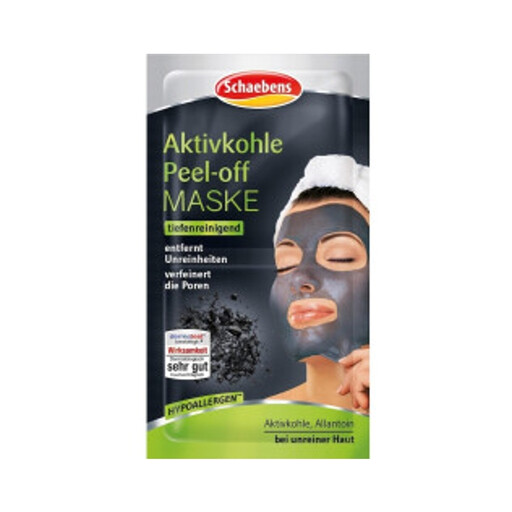
Why This Fits Their Persona: Ideal for users seeking a targeted and cost-effective solution specifically for blackheads and clogged pores. The single-use sachet allows for easy trial without a major investment.
This peel-off mask for blackheads isn't a vague "ingredient cocktail"; it clearly focuses on the mechanical cleansing of pores through the binding power of activated charcoal.
Targeted removal of sebum deposits and dead skin cells; provides a mattifying effect on the skin.
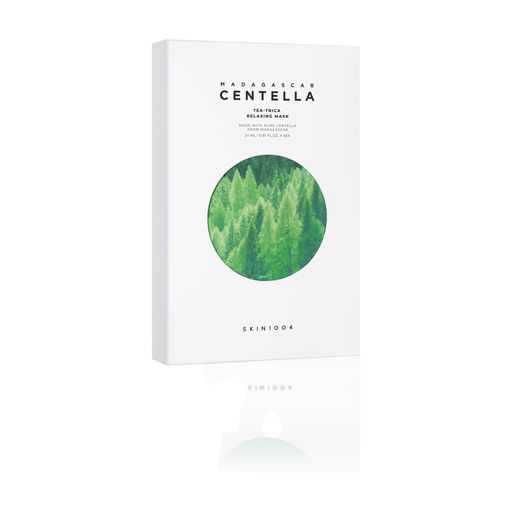
Why This Fits Their Persona: Perfect for individuals whose skin reacts sensitively and is prone to redness and inflammation. This acne sheet mask provides a soothing SOS treatment without stressing the skin.
It bypasses the trap of aggressive drying by focusing on soothing ingredients (Centella Asiatica, Panthenol) and using clarifying actives like tea tree oil and salicylic acid in a balanced concentration.
Combines intense soothing with gentle clarification; the vegan bamboo fibre mask ensures good adhesion and active ingredient delivery.
We have compiled a complete, up-to-date list of products that fully meet these strict selection criteria and comply with current safety regulations.
1. How often should you use a face mask for pimples? The frequency of use largely depends on the mask type and your skin's sensitivity. Deep-cleansing clay or charcoal masks should generally be used 1 to 2 times a week. Soothing and hydrating sheet masks can be used 2 to 3 times a week, depending on your needs. Overuse, especially of clarifying masks, can weaken the skin barrier. Always follow the instructions on the product.
2. Can a face mask alone cure acne? A mask for blemish-prone skin is an important component of a skincare routine, but it is rarely a standalone solution. It can effectively combat symptoms like excess oil, clogged pores, and inflammation. However, treating persistent acne requires a consistent daily routine of cleansing, moisturising, and sun protection. For severe cases, consulting a dermatologist is advisable.
3. What is the difference between a peel-off mask and a clay mask? A peel-off mask dries into a film that is mechanically peeled off. In the process, it adheres to surface impurities and blackheads, pulling them from the pores. A clay mask (e.g., with kaolin or bentonite) works by absorbing. It draws excess sebum and dirt from the pores as it dries and is then washed off with water. Clay masks are generally considered gentler on the overall skin surface.