
Lieferung heute & morgen

Qualitätsgarantie

Willkommens-Angebote freischalten: KOSTENLOSE Lieferung | Bis zu 80 % RABATT | Kostenlose 30-Tage-JoyPlus-Testphase
App herunterladen
Face masks can complement your skincare routine, but choosing the right one can feel overwhelming. Clay masks, sheet masks, hydrating masks, and Korean or Japanese face masks all differ in how they’re used, their ingredients and how they feel on your skin. If you focus only on claims such as ‘glow’, ‘refined pores’ or ‘anti-ageing’, you could easily buy a product that doesn’t suit your skin’s needs.
A face mask for blemish-prone skin isn’t necessarily suitable for sensitive or dry skin. Clay, acids, alcohol, fragrance and physical exfoliating particles can all affect different skin types in different ways. That’s why it’s important to check the full INCI list, rather than relying on the name on the front of the pack.
This usually describes a broad target audience, but doesn’t necessarily take specific needs into account. A face mask for oily skin, for example, should target excess sebum, while a face mask for dry skin is more likely to need hydrating and skin-conditioning ingredients. For combination skin, applying a mask to specific areas may be more suitable than covering the whole face.
Many products have a set application time of just a few minutes. Wearing a sheet mask until it dries completely, or leaving a clay mask on for much longer than directed, can make your skin feel worse. Always follow the manufacturer’s instructions on the packaging and product page.
Start by identifying your main concern:
Check the current ingredients list on the packaging. Fragrance, essential oils, alcohol, fruit acids and physical exfoliating particles may not be suitable for everyone. For example, the Madara Creamy Clay AHA Peel Mask contains 7 % lactic acid and specifically states that it isn’t intended for sensitive or hypersensitive skin. It’s particularly important to use suitable sun protection during the day after using AHA products.
If you have sensitive skin, test the product on a small area first. Stop using it if you experience redness, stinging, swelling or itching. Don’t apply face masks to broken, inflamed or severely irritated skin.
A sheet mask comes in an individual portion and is handy for a quick skincare routine. A cream or clay mask in a jar may be more economical if you use it regularly, but you’ll need to scoop it out cleanly and close the lid carefully. A stick format makes targeted application easier and can be handy when travelling.
Check the following:
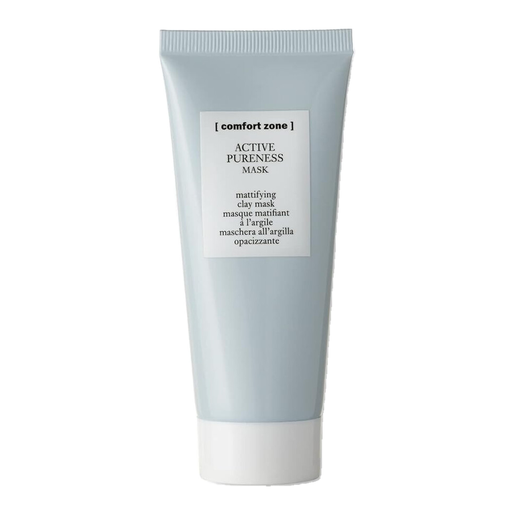
Why this product suits this profile: The 60 ml size and creamy clay texture make it a good fit for a simple weekly routine for oily or combination skin.
The product description lists kaolin and bentonite, along with a leave-on time of 10 to 15 minutes. This makes the texture, key ingredients and directions clear.
Green and white clay; intended for use once or twice a week.
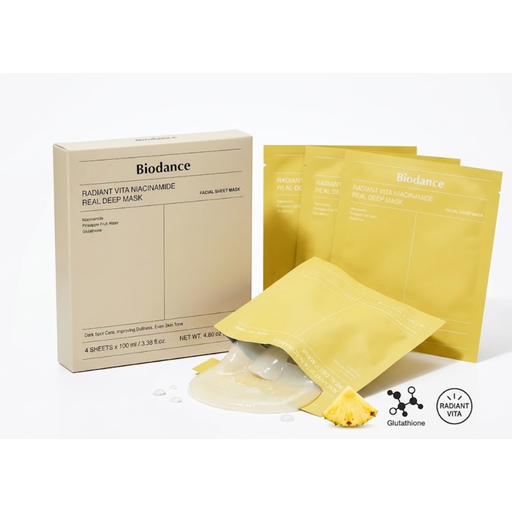
Why this product suits this profile: The hydrogel format, with 34 g per mask, is designed for a close-fitting application and a structured skincare routine.
The pack contains four individually wrapped masks. The recommended leave-on time of 15 to 20 minutes gives you clear guidance on how to use it.
Hydrogel material; niacinamide, panthenol and Centella asiatica, according to the product information.
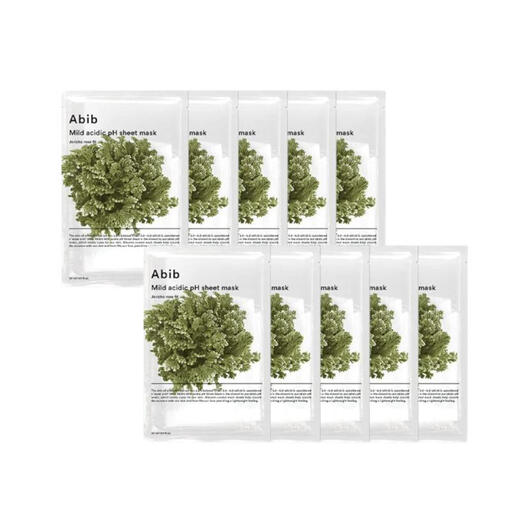
Why this product suits this profile: The pack of ten is ideal for regular sheet mask use, such as when your skin feels dry or tight.
The recommended application time is 10 to 20 minutes. Remove the mask after use and pat in any excess essence.
Mildly acidic pH concept according to the product description; several forms of hyaluronic acid.
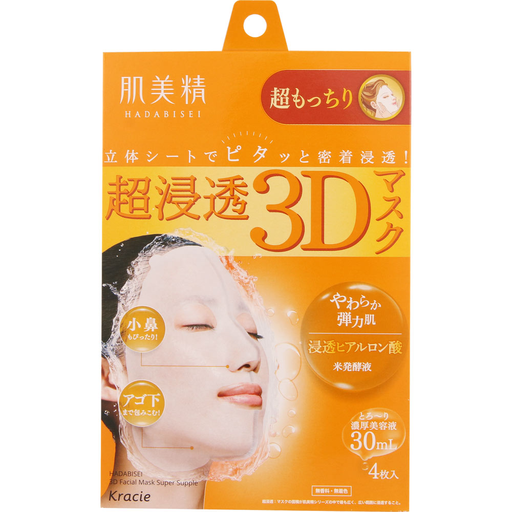
Why this product suits this profile: The 3D fit and individual portions may appeal to anyone looking for precise coverage and a quick application.
The instructions recommend leaving the mask on for 5 to 15 minutes and explain how to unfold the 3D mask correctly.
30 ml of essence per mask; hyaluronic acid and lemon extract, according to the product information.
It depends on the type of mask and your skin’s condition. Clay and exfoliating masks are often used once or twice a week. Depending on the product instructions, hydrating masks and sheet masks can also be used once or several times a week. If your skin feels tight or irritated, use the mask less often.
An individual sheet mask is intended for one use only. For products in jars, how long they last depends on the amount, how often you use them, the best-before date and the period-after-opening symbol. Using clean hands or a spatula to scoop out the product helps keep it hygienic.
If your skin is both blemish-prone and dry, a gentle, targeted application of clay may be more suitable than a strongly drying mask applied all over your face. For other areas, consider hydrating ingredients such as glycerin, panthenol or hyaluronic acid. If skin problems persist or become inflamed, it’s advisable to seek advice from a dermatologist.