
Lieferung heute & morgen

Qualitätsgarantie

Willkommens-Angebote freischalten: KOSTENLOSE Lieferung | Bis zu 80 % RABATT | Kostenlose 30-Tage-JoyPlus-Testphase
App herunterladen
A face mask can be a useful addition to your skincare routine – as long as the type of product, ingredients and directions for use suit your skin’s needs. If you choose a mask based only on claims such as ‘glow’, ‘detox’ or ‘anti-ageing’, you could easily end up with a product that isn’t right for your skin.
Descriptions such as ‘brightening face mask’, ‘pore mask’ or ‘soothing face mask’ usually indicate the kind of skincare benefit a product aims to offer, rather than a guaranteed result. The INCI list on the packaging is what matters. For example, glycerin, hyaluronic acid and panthenol are often key ingredients in a hydrating mask. A clay mask, on the other hand, often contains kaolin or bentonite.
Don’t assume you should leave a sheet mask on for longer just because there’s still serum on it. If the material dries out, your skin may feel worse. Depending on the product, around 5 to 20 minutes is usually enough. Hydrogel masks may be designed to stay on for considerably longer. Always follow the manufacturer’s instructions.
A set of 30 or 46 sheet masks can suit regular use and may work out cheaper per application. Individual packs of 4 to 5 hydrogel or cream masks are better suited to an occasional skincare routine. Before you buy, compare the number of applications, the amount in grams or millilitres, and the recommended frequency of use.
The full ingredients list is on the product packaging. It may vary between batches or product versions. If your skin is sensitive to particular fragrances, alcohol, honey, essential oils or preservatives, check the INCI list before buying.
If you use vitamin C products, it’s also a good idea to include daily sun protection in your routine. This is not a substitute for advice from a dermatologist. Test new products on a small area of skin first. Stop using the product if you experience burning, swelling, itching or persistent redness.
With a Korean face mask or Japanese sheet mask, the thickness of the material, cut-outs and how well it stays in place all affect comfort. A thin cellulose or gauze mask often fits closely, while a thicker sheet may hold more serum. With hydrogel masks, the fit around the eyes, nose and mouth is particularly important.
Before use:
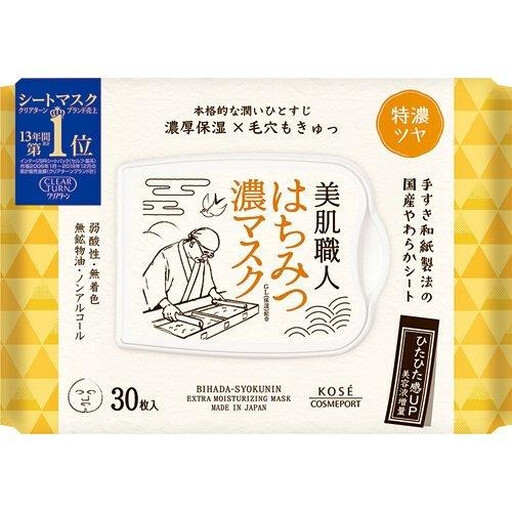
Why this product suits this profile: The pack of 30 sheet masks is a good choice if you want to build regular hydration into a simple skincare routine.
The pack size makes it easy to plan regular use. The recommended leave-on time is around 10 minutes. Reseal the pack tightly after each use.
30 individual masks, with glycerin and honey extract according to the product information; ideal for a straightforward hydration routine.
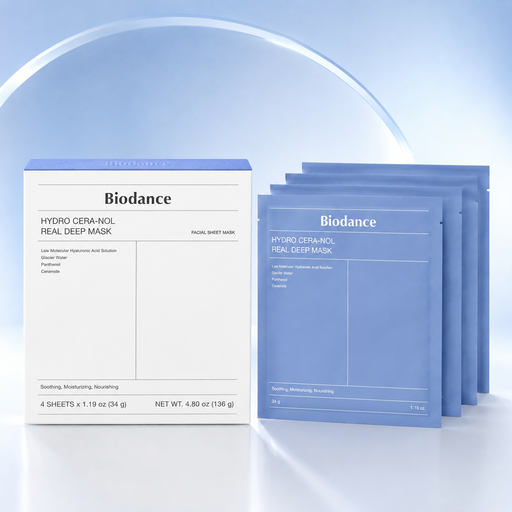
Why this product suits this profile: This hydrogel mask is a good option if you prefer a longer application and a formula containing ceramides, panthenol and hyaluronic acid.
The directions are clear: leave it on for at least 3 to 4 hours, or until the mask becomes transparent. This helps you avoid taking it off too soon or leaving it on unnecessarily long.
Hydrogel format, 34 g per mask, plus ceramides and several forms of hyaluronic acid according to the product description.
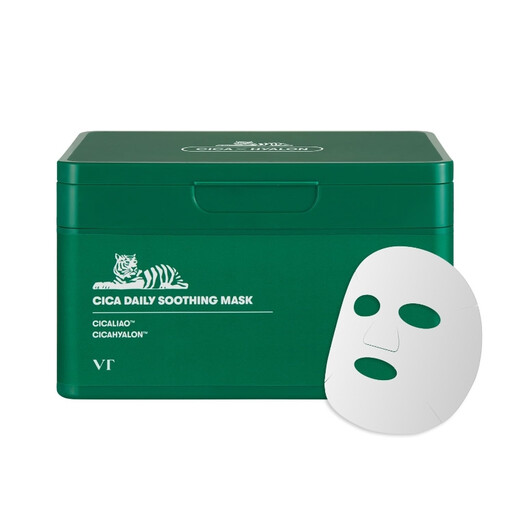
Why this product suits this profile: The daily-use format comes with tweezers for easy removal. It’s a good choice if you’re short on time in the morning or evening and prefer a lightweight Cica skincare product.
The recommended leave-on time is 10 to 20 minutes. Hygienic removal and a resealable tub make it easier to use the masks daily in a controlled way.
30 masks, a 0.2 mm Nude Seal sheet according to the product information, plus Centella asiatica and sodium hyaluronate.
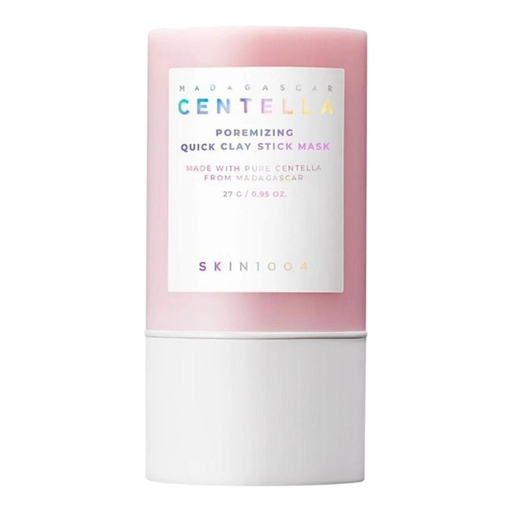
Why this product suits this profile: The stick format lets you apply it precisely to your forehead, nose or chin. It’s handy if you don’t want to apply a mask all over your face.
Kaolin and bentonite are listed as ingredients. Applying the mask only where needed can help you avoid dry areas, rather than covering your whole face with clay.
27 g stick, with 8 per cent kaolin and Centella asiatica extract according to the product information.
We’ve put together a complete, regularly updated list of products that meet these strict selection criteria and comply fully with the safety regulations in force in the EU.
It depends on the type of mask and how well your skin tolerates it. Hydrating sheet masks are often used several times a week or as directed by the manufacturer. Clay masks and exfoliating wash-off products are usually intended for less frequent use. If you have sensitive skin, it’s best to start cautiously.
In most cases, apply your mask after cleansing. Follow a sheet mask with your usual skincare, such as a moisturiser. Rinse off a clay or rice mask with lukewarm water after the recommended time. The exact order may vary depending on the product.
Individual sheet and hydrogel masks should be used straight after opening and shouldn’t be reused. With multi-packs, reseal the packaging tightly straight away. The best-before date, batch number and storage instructions are on the packaging. Don’t use the product if its colour, smell or consistency has changed.