
Lieferung heute & morgen

Qualitätsgarantie

Willkommens-Angebote freischalten: KOSTENLOSE Lieferung | Bis zu 80 % RABATT | Kostenlose 30-Tage-JoyPlus-Testphase
App herunterladen
A face mask can be a targeted addition to your skincare routine: clay binds excess sebum, a hydrating mask helps keep skin feeling comfortable and a sheet mask is quick and easy to use. However, the benefits depend greatly on whether the product, ingredients and application time suit your skin.
Terms such as “detox”, “lifting” or “glow” often describe how a product is positioned, rather than clearly defined product properties. What matters is the ingredient list, mask type, application time and the manufacturer’s instructions.
For example, a “spot-fighting mask” is not automatically suitable for every type of blemished skin. On sensitive skin, fragrances, alcohol or certain acids may feel uncomfortable. A brightening face mask should also not be equated with medical treatment for pigmentation disorders.
Clay masks and cleansing masks containing kaolin or bentonite can absorb excess skin oil. However, if such a mask is used too often or allowed to dry completely, your skin may feel dry or tight afterwards. The recommended frequency is therefore more important than a cleansing claim that simply sounds especially powerful.
Sheet masks are practical, but are usually portioned for single use. Cream masks and clay masks often give you more control over the amount applied, but require rinsing or additional cleansing. A stick format can be convenient when you are out and about, while an eye mask is designed exclusively for the delicate eye area.
Do not focus solely on the product name. Consider the specific skincare need instead:
The INCI list is arranged by the quantity of each ingredient, although the exact classification may vary depending on the concentration range. Look out for familiar ingredients that match your goal:
The formulation may change. The current packaging of the product is therefore always the authoritative source.
A face mask is normally applied to cleansed skin. Follow the application time stated on the product and avoid the eye area unless the mask is explicitly intended for it. Burning, itching or pronounced redness are signs that you should stop using the product and rinse your skin with water.
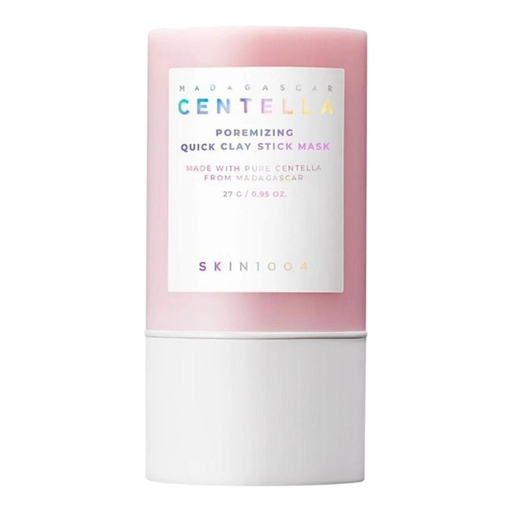
Why this product suits the profile: The stick format allows controlled application and is ideal for anyone looking for a compact cleansing mask that is simple to use.
The stated texture and stick format make it easier to judge the amount applied than with a difficult-to-control full-face application. The contact time should still be observed.
Kaolin and bentonite; 27-g pack in a compact stick format; Centella asiatica extract is listed in the product description.
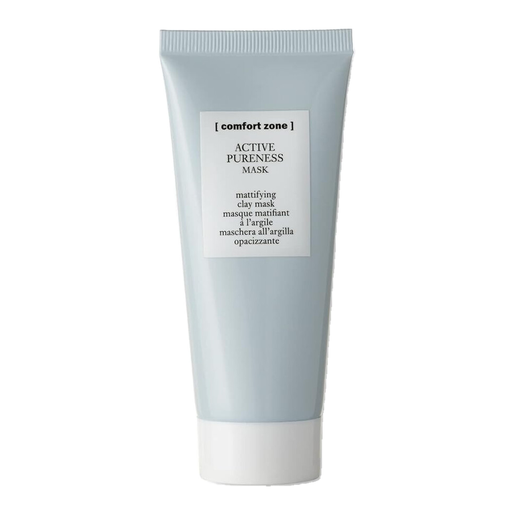
Why this product suits the profile: According to the product information, this creamy clay mask is aimed at oily, combination and blemish-prone skin and is intended for a weekly skincare routine.
The product description names the kaolin and bentonite clays used, as well as a specific contact time of 10 to 15 minutes. This makes it easier to plan your routine.
60 ml contents; green and white clay according to the description; recommended use once or twice a week.
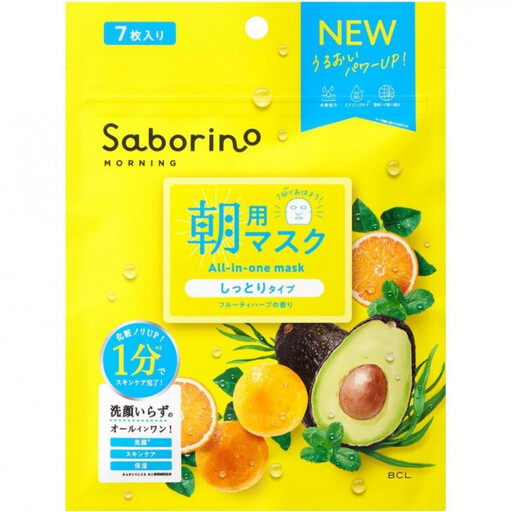
Why this product suits the profile: This sheet mask is designed for a quick morning routine and, according to the product description, combines cleansing, skincare and preparation for make-up in one step.
The pack contains seven individually usable sheet masks. This reduces leftover open product and suits the clearly defined 60-second application time.
Seven sheets; avocado oil and vitamin C complex according to the description; designed for a quick morning application.
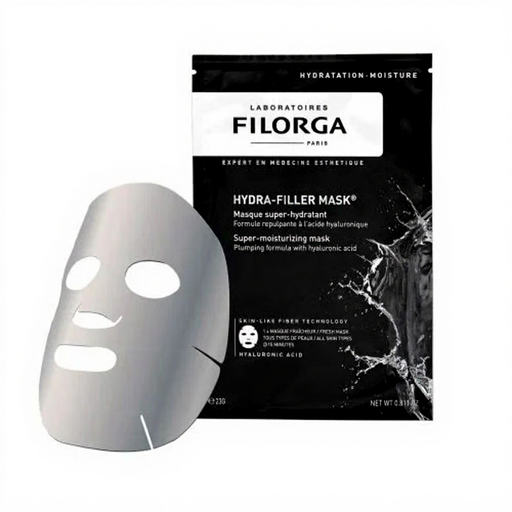
Why this product suits the profile: This single sheet mask is an appealing option for dry or dehydrated skin when you want targeted care without opening a multipack.
The recommended contact time of 15 minutes is clearly stated. After removing the mask, pat in the remaining serum rather than leaving the mask on for longer than recommended.
Single sheet; hyaluronic acid, glycerine and aloe vera are listed in the product description; no-rinse application.
We have put together a complete, regularly updated list of products that fully meet these strict selection criteria and the safety regulations applicable in the EU.
A mask should complement your daily cleansing and skincare routine, not replace it. If you experience persistent skin problems, severe reactions or inflammatory changes, it is advisable to seek a dermatological assessment.
This depends on the type of mask. A clay mask is often recommended once or twice a week, while a hydrating mask may also be used once or twice a week, depending on the product and how your skin feels. The manufacturer’s instructions take priority.
Unopened products carry a best-before or expiry date on the packaging. After opening, the open-jar symbol, such as “12M”, may indicate the recommended period of use in months. Sheet masks should be used immediately after opening the individual sachet.
For sensitive skin, formulations with a manageable INCI list and without strongly perfumed ingredients are generally worth considering. A face mask for sensitive skin should first be tested on a small area. If burning or redness occurs, remove it immediately.