
Lieferung heute & morgen

Qualitätsgarantie

Willkommens-Angebote freischalten: KOSTENLOSE Lieferung | Bis zu 80 % RABATT | Kostenlose 30-Tage-JoyPlus-Testphase
App herunterladen
A face mask can be a targeted addition to your skincare routine – whether you have dry, oily, blemish-prone or sensitive skin. However, the wide range of options does not automatically make it easy to choose the right one. Terms such as “pore-refining”, “detox” or “anti-ageing” often describe a desired skincare goal, but reveal little about the texture, ingredients or application.
As a Joybuy Product Recommendation Officer, I therefore focus on transparent product information and a practical comparison with the individual skin concern.
A pore-cleansing face mask can absorb excess sebum and surface impurities. However, it does not permanently change the size of pores. A face mask for blackheads should not be viewed as a substitute for dermatological treatment either.
When you see terms such as “lifting”, “brightening” or “anti-ageing mask”, it is worth looking at the specific formulation. Humectants such as glycerine or hyaluronic acid can improve how the skin feels. This does not mean they will permanently alter wrinkles or skin structure.
A clay mask containing kaolin or bentonite is designed to absorb excess sebum. However, leaving it on for too long can cause tightness if you have dry or sensitive skin. A sheet mask or hydrogel mask, on the other hand, usually contains a water-based essence and is often chosen to provide hydration and a comfortable skin feel.
A peel-off mask forms a film that is removed once dry. This can feel convenient, but it is not suitable for every skin type. This type of product should be avoided on irritated, damaged or redness-prone skin.
Fragrances, essential oils, alcohol and certain plant extracts may be relevant to some people. Before buying a mask for sensitive skin, you should therefore check the current INCI list on the packaging. Product information can change.
The recommended application time, frequency and removability are equally important. A mask that only takes a few minutes to use is better suited to a short weekly routine than a product that needs to be left on for several hours.
If you have oily or blemish-prone skin, clay, activated charcoal or zinc may be interesting ingredients. For dry skin, options include glycerine, hyaluronic acid, panthenol, ceramides and squalane. A face mask for soothing the skin may contain ingredients such as Centella asiatica, panthenol or allantoin.
However, the presence of an ingredient is not a guarantee of results. What matters is the complete formulation, individual tolerance and correct application.
A 200 to 300-gram tub is economical for regular use, but must be closed carefully after every application. Single portions, such as 15-gram sachets, are hygienic and convenient when travelling. With sheet and hydrogel masks, you should also check how many individual masks are included in the pack.
Before use, checking the best-before date, batch number and information on the packaging should form part of your purchase decision. If you are trying a new formulation or have sensitive skin, a cautious patch test on a small area of skin is recommended.
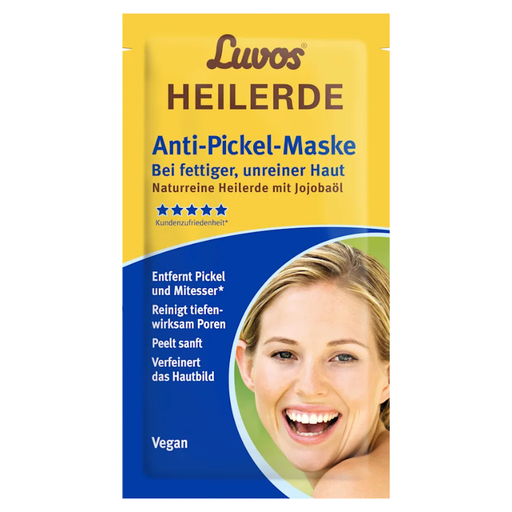
Why this product suits the profile: The combination of healing clay and jojoba oil is designed for straightforward, washable facial skincare for oily skin. The product is described for use on the face and body.
The product description clearly states the composition and target group instead of promising a permanent change to pore size.
Vegan and free from parabens, paraffins and mineral oils according to the product information; healing clay and jojoba oil.
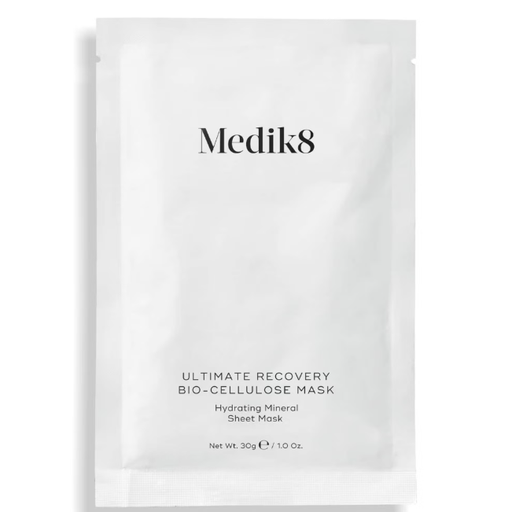
Why this product suits the profile: This thin bio-cellulose mask is an appealing choice for anyone looking for a close-fitting sheet mask with a 20 to 30-minute application time.
The description states that the formulation is free from alcohol, parabens, phthalates and artificial fragrances. The current packaging information remains the deciding reference.
Bio-cellulose material plus hyaluronic acid, fucoidan extract and zinc according to the product information.

Why this product suits the profile: Eight individual 15 g portions and a small applicator are well suited to a planned application once or twice a week, as well as taking with you when travelling.
The individual sachets reduce the time the product is exposed to air after opening. The stated application time of 10 to 15 minutes also helps prevent unnecessarily prolonged drying.
Kaolin, bentonite, green tea water and Centella asiatica extract according to the INCI information; 120 g total contents.
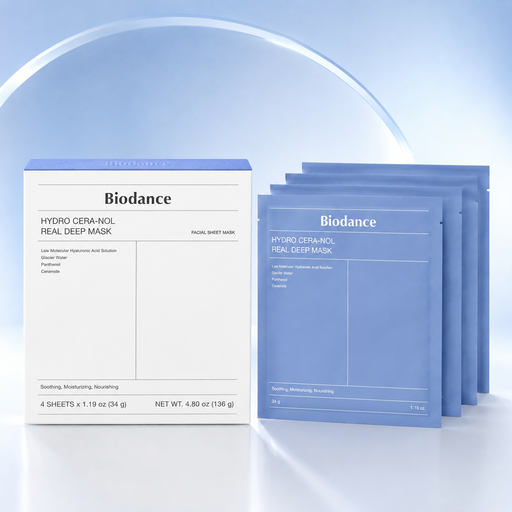
Why this product suits the profile: According to the application instructions, this hydrogel mask is designed for use over several hours or as an overnight mask, making it suitable for people with a corresponding evening routine.
The long application time is clearly stated. This makes it easier for shoppers to decide whether the product fits into their own routine.
Hydrogel containing panthenol, ceramides and various forms of hyaluronic acid according to the product description.
We have put together a complete, regularly updated list of products that fully meet these strict selection criteria and the safety regulations applicable in the EU.
With a mask for sensitive skin, a patch test is particularly advisable. If you have an existing skin condition or concerns, you should discuss your choice with a dermatology practice.
This depends on the type of mask and your skin’s needs. Clay masks are often recommended once or twice a week. Hydrating sheet or hydrogel masks may be used more frequently, depending on the manufacturer’s instructions. The specific guidance on the packaging and product page is decisive.
As a rule, a mask is used after cleansing and before your final skincare step. With a sheet or hydrogel mask, the remaining essence can be worked into the skin before applying cream. A washable clay mask should be removed completely first.
The best-before date and batch information are shown on the packaging. Opened tubs should be closed hygienically and used within the stated period after opening. Single portions and single-use masks should be used immediately after opening.