
Lieferung heute & morgen

Qualitätsgarantie

Willkommens-Angebote freischalten: KOSTENLOSE Lieferung | Bis zu 80 % RABATT | Kostenlose 30-Tage-JoyPlus-Testphase
App herunterladen
A face mask can complement your existing skincare routine: clay binds excess sebum, a sheet mask adds moisture to the skin, and a rich formula is suitable for dry skin. However, choosing one can quickly become confusing, as marketing terms such as “detox”, “pore refining” or “anti-ageing” do not automatically mean a product is the right choice.
The key factors are the specific formula, application time and condition of your skin. Our selection explains what shoppers in Germany should look out for before buying.
A mask may be intended for all skin types according to its product description, yet still contain individual ingredients that not every skin tolerates equally well. Fragrances, essential oils, alcohol, acids or mechanical exfoliating particles are particularly relevant when looking for a face mask for sensitive skin.
A face mask for blemished skin should not automatically be as strongly degreasing as possible either. On dry or sensitive skin, using one too often can feel uncomfortable.
After using a sheet mask, skin often looks temporarily plumper because it has been moisturised. A clay face mask can make the skin appear more matte for a short time. These effects are not automatically permanent changes.
Terms such as “pore refining” or “clarifying” should therefore be understood as descriptions of the skincare goal, not as a guarantee of a specific change to the skin. If skin problems persist, cosmetics are no substitute for dermatological advice.
A mask with a recommended application time of three to five minutes is easier to fit into your daily routine than a hydrogel mask that can be worn for several hours. Anyone who ignores the instructions or allows a clay mask to dry out completely risks an uncomfortable feeling of tightness.
First, identify your main objective:
A sheet mask is pre-measured and practical for travelling or short skincare routines. A cream mask in a jar or tube, on the other hand, allows targeted application, such as only to the T-zone. Stick masks can make dosing easier and reduce direct contact with the product.
Also check whether the mask needs to be rinsed off, peeled off or simply massaged in. For the products considered here, the application time ranges from around three minutes to several hours.
The complete INCI list on the packaging is decisive, as formulas can change. Other relevant details include:
Cosmetic products offered in the EU must generally comply with the requirements of Regulation (EC) No 1223/2009 on cosmetic products. Nevertheless, consumers should check the information on the specific packaging, particularly for imported products.
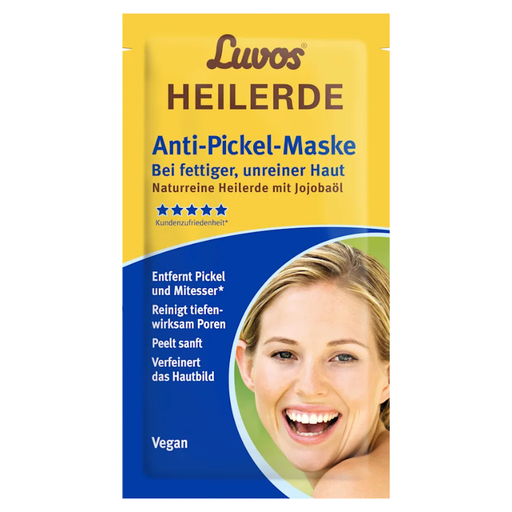
Why this product suits the profile: The combination of healing earth and jojoba oil is suitable for shoppers looking for a straightforward mask for the face and body.
The product description clearly names the key ingredients and avoids making claims based solely on trending active ingredients.
Vegan formula according to the product information; free from parabens, paraffins and mineral oils.
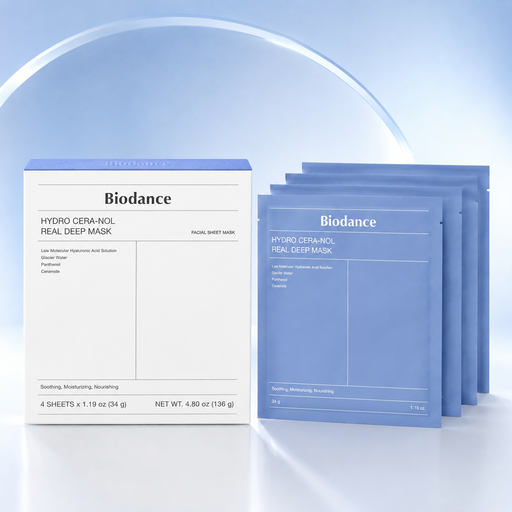
Why this product suits the profile: This hydrogel mask is designed for people who prefer an intensive moisturising routine with a clearly defined wear time.
The instructions specify a clear wear time of at least three to four hours or overnight. This makes it easier to assess the time required before buying.
Hydrogel with panthenol, ceramides and several forms of hyaluronic acid according to the ingredients list; pack of four masks.
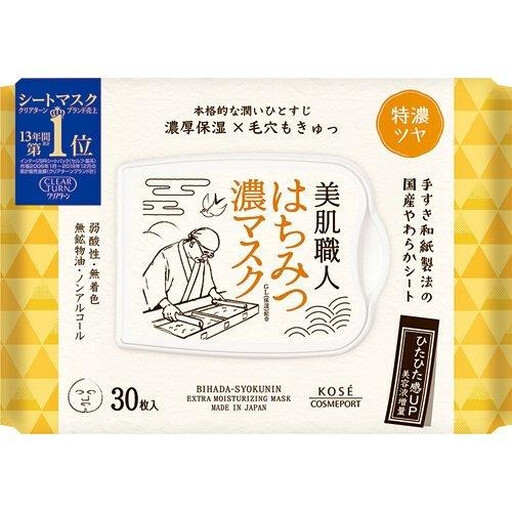
Why this product suits the profile: The pack of 30 sheets is designed for regular sheet-mask use and suits established skincare routines.
The recommended application time of around ten minutes is clearly stated. The resealable bulk pack should nevertheless be stored cleanly and securely closed.
30 individual sheet masks; honey is listed as an ingredient in the essence.
We have compiled a complete, regularly updated list of products that fully meet these strict selection criteria and the safety regulations applicable in the EU.
Before your first full application, it is advisable to test the product on a small area of skin. This precaution is particularly sensible when using a face mask for sensitive skin, acid-based formulas or fragranced products.
Also bear the following in mind:
That depends on the type of mask and your skin type. Clay or activated-charcoal products are often recommended once or twice a week. Depending on the manufacturer’s instructions, a gentle sheet mask can be used more frequently. The information on the packaging and your skin’s reaction should always take priority.
For dry skin, consider moisturising masks with glycerin, panthenol, hyaluronic acid, ceramides or nourishing oils. A strongly degreasing clay face mask should be used selectively rather than automatically applied all over the face.
The best-before date and batch number are shown on the packaging. Additional instructions on how long to use the product after opening may also apply. For sheet masks in a bulk pack, it is important to close the packaging securely and protect the product from heat and direct sunlight.