
Lieferung heute & morgen

Qualitätsgarantie

Willkommens-Angebote freischalten: KOSTENLOSE Lieferung | Bis zu 80 % RABATT | Kostenlose 30-Tage-JoyPlus-Testphase
App herunterladen
Face masks can complement your skincare routine, but they vary considerably in texture, wear time, ingredients and pack size. Focusing only on terms such as “glow”, “refined pores” or “anti-ageing” won’t necessarily help you find the right product. What matters is the specific formulation, your skin’s condition and how you plan to use the mask.
Terms such as hydrating face mask, brightening face mask or anti-ageing face mask usually describe a cosmetic focus, not a guaranteed result. Checking the ingredients list gives you a better indication:
Cosmetic products are not a substitute for dermatological treatment. If you have persistent skin concerns, severe reactions or inflammatory changes, it’s a good idea to seek medical advice.
A sheet face mask is usually removed after a few minutes. Depending on the product, a hydrogel mask can stay on your skin for considerably longer. Wash-off masks, on the other hand, are rinsed off with water after a set time. Leaving a mask on for longer than recommended can irritate your skin or leave it feeling uncomfortably dry.
A low price per use is only practical if the packaging is hygienic and can be sealed properly. When buying multipacks, look out for:
If your skin is dry or feels rough, a hydrating mask containing glycerin, hyaluronic acid, panthenol or ceramides may be a good option. For oilier skin, lightweight sheet masks or products containing kaolin may be suitable. If you have sensitive skin, look for a simple formulation. Fragrances, essential oils and certain preservatives can cause unwanted reactions in some people.
A face mask for blemish-prone skin shouldn’t automatically be strongly degreasing. Cleansing too often or using harsh exfoliating particles can put extra strain on your skin barrier. With a pore mask, it’s also worth bearing in mind that “smaller pores” often refers only to a temporarily more refined appearance.
A niacinamide face mask lists the ingredient directly in its INCI list. With collagen products, it’s important to distinguish between hydrolysed collagen as a cosmetic skincare ingredient and claims about changes within the body. A collagen face mask can leave the surface of your skin feeling cared for and comfortable, but it isn’t a medical or lasting substitute for other measures.
The same practical checks apply to Korean and Japanese face masks: a product’s origin and brand name alone tell you little about how well it will suit your skin. The key factors remain its ingredients, how you use it and your skin type.
Single masks are handy for trying out a product or for occasional use. Larger packs, such as sets of 10, 11 or 30 sheets, offer better value for frequent users, but are best suited to those who’ll use them regularly. If you plan to use a mask every day, make sure the wear time fits into your routine. A mask that needs to be worn for 30 to 40 minutes or several hours requires different planning from one with a five-minute wear time.
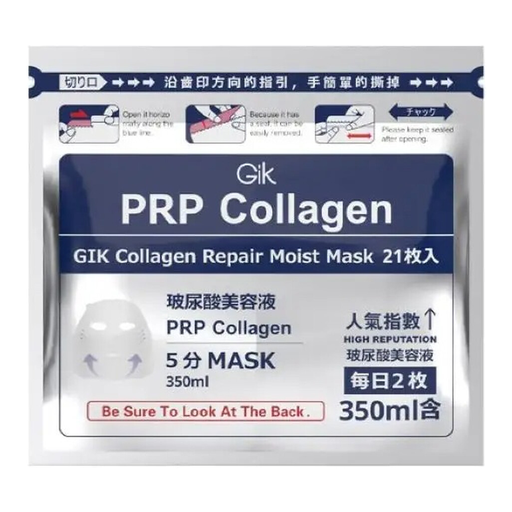
Why this product suits this profile: The pack contains 21 sheet masks, making it suitable for regular hydration. The stated ingredients include glycerin, hyaluronic acid, hydrolysed collagen, squalane and ceramide 3.
The exact number of sheets makes it easier to work out the cost per use than an unclear single price. Check the packaging for the recommended wear time before use.
Large pack of 21 sheet masks; several hydrating ingredients in the stated INCI list.
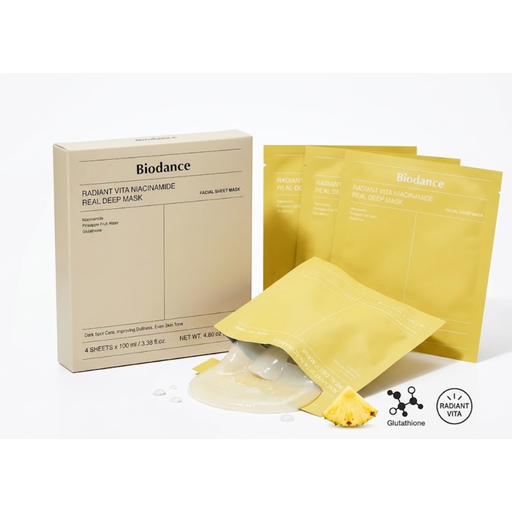
Why this product suits this profile: This hydrogel mask comes in a pack of four, with each mask weighing 34 g. According to the product description, it contains niacinamide, panthenol, allantoin and Centella asiatica extract, among other ingredients.
The described change from opaque to transparent gives you a visible indication while you use it. Even so, follow the recommended wear time of 15 to 20 minutes.
Hydrogel texture; four masks per pack; niacinamide and humectants in the stated formulation.
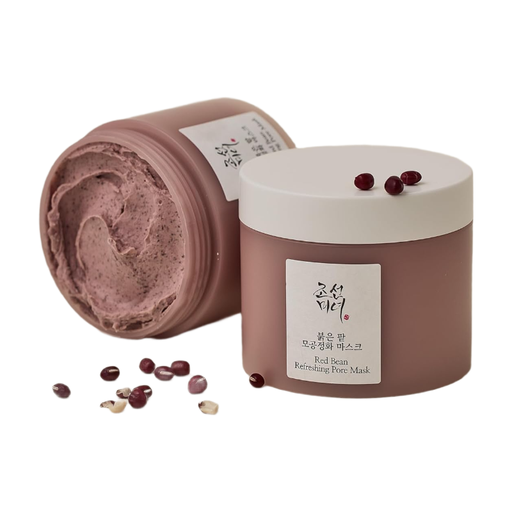
Why this product suits this profile: This 140 ml wash-off mask is designed for people who prefer a rinse-off pore treatment. According to the product description, it contains kaolin, as well as red bean extract and powder.
The instructions clearly state that you should leave it on for 5 to 10 minutes before rinsing. This helps prevent leaving it on for too long.
Rinse-off cream clay mask; 140 ml; kaolin to absorb excess oil in the stated formula.
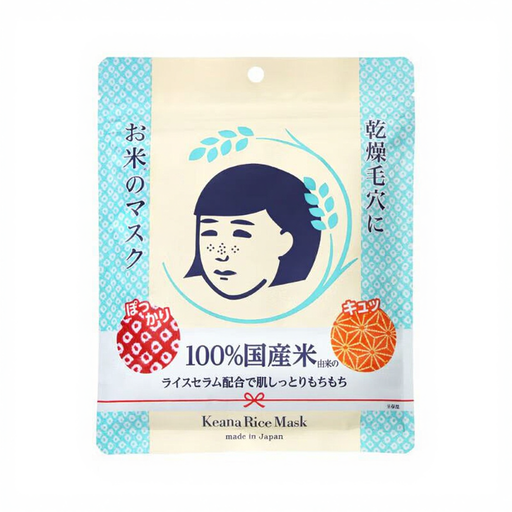
Why this product suits this profile: This Japanese sheet mask pack contains 10 sheets and is designed for regular hydration. The stated ingredients include rice ferment filtrate, rice bran oil and glucosylceramide.
The product information recommends leaving the mask on for 5 to 10 minutes. Reseal the pack carefully after each use.
10 sheet masks; rice-based ingredients; short wear time for an easy routine.
Before using a product all over your face for the first time, it may be worth doing a patch test on a small area of skin. If you experience burning, itching, redness or swelling, remove the product and stop using it. Don’t apply masks to broken, irritated or diseased skin.
Dispose of sheet and hydrogel masks after use. Rinse off wash-off products thoroughly with lukewarm water. Always follow the packaging instructions on wear time, storage and shelf life rather than general recommendations.
It depends on the mask type and formulation. Hydrating sheet masks are often used once or several times a week. Clay and exfoliating masks should generally be used less often. Follow the manufacturer’s instructions and pay attention to how your skin responds.
An unopened mask can be used up to the stated best-before or expiry date, provided it has been stored correctly. Once opened, follow the instructions on the packaging. Single-use sheet masks should be used straight after opening and not used again.
The price per mask depends on the type, pack size, ingredients and brand. Compare products by working out the price per use. A pack of 30 may be better value for frequent users, while single masks reduce the risk of buying a product that doesn’t suit you.