
Lieferung heute & morgen

Qualitätsgarantie

Willkommens-Angebote freischalten: KOSTENLOSE Lieferung | Bis zu 80 % RABATT | Kostenlose 30-Tage-JoyPlus-Testphase
App herunterladen
A face mask for blemish-prone skin can complement your skincare routine, but it won’t replace a suitable cleanser or dermatological treatment. So, if you’re looking to buy a face mask for spots or a pore-cleansing mask, don’t focus only on claims such as “detox”, “glow” or “poreless”. Your skin type, the ingredients, how long you leave the mask on and how often you use it are what really matter.
A mask can’t permanently close your pores. Products can remove excess oil, dirt and dead skin cells, which may temporarily leave your complexion looking more even. So it’s best to think of a pore-refining face mask as an extra step in your cleansing routine, rather than a permanent solution.
A clay face mask may leave your skin feeling clean after you rinse it off. However, stinging, persistent redness or excessive dryness could mean you’re using it too often or the formula isn’t right for your skin. Alcohol, fragrance, essential oils and exfoliating acids may be a concern, particularly if your skin is sensitive or already irritated.
Using a salicylic acid mask, another chemical exfoliant and a strongly degreasing cleanser on the same day can put unnecessary strain on your skin barrier. A face mask for spots should fit in with your existing routine. If you have inflammatory or recurring skin concerns, it’s worth seeking medical advice.
Kaolin, bentonite, illite and activated charcoal are often used in products for oily or blemish-prone skin. These ingredients can absorb excess oil. If you don’t want your skin to feel very dry after use, look for a face mask for oily skin that also contains humectants such as glycerin, betaine or hyaluronic acid.
If your skin is dry but also prone to blemishes, a hydrating face mask with soothing ingredients may be a better choice than a heavily mattifying clay formula. A sheet mask for acne isn’t automatically an acne treatment: it usually provides a water-based skincare essence, so it’s important to check the full ingredients list.
Salicylic acid, also known as BHA, is used in some products to remove dead skin cells and cleanse pores that appear congested. If you have sensitive skin, it’s a good idea to patch test on a small area first. Use sun protection during the day when applying products containing exfoliating acids.
Clay and activated charcoal are particularly relevant for oily or shiny skin. Plant extracts, fragrance and essential oils, on the other hand, aren’t automatically gentler. If your skin is prone to reactions, choose a formula with a straightforward ingredients list and follow the instructions on the packaging.
Depending on the product, the recommended leave-on time is often between five and 15 minutes. Leaving a mask on for longer won’t necessarily improve its effect. Wash-off masks are usually applied to clean, dry skin and then rinsed off thoroughly. Depending on the formula, use is typically recommended once to three times a week.
Sheet masks are usually left on for around 10 to 15 minutes. Don’t leave one on until it dries completely. Stop using the mask if you experience intense stinging, swelling or persistent redness.
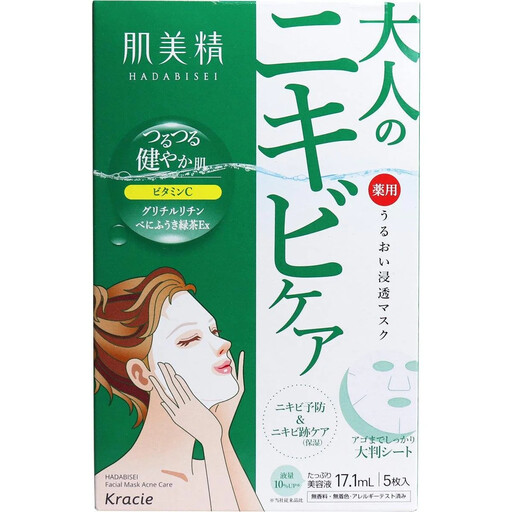
Why this product suits this profile: This pack of five is a good way to try a portioned sheet mask routine without needing a large tub.
Each mask is individually portioned, so you can control how much product you use. According to the product description, the essence contains salicylic acid, and should not be used around the eyes or mouth.
Five individual sheet masks, a recommended leave-on time of 10–15 minutes and moisturising skincare ingredients.
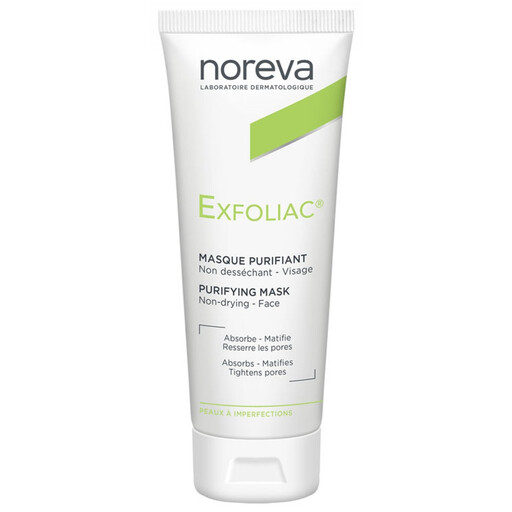
Why this product suits this profile: This compact formula combines kaolin with salicylic acid and, according to the product information, is aimed at oily, blemish-prone skin.
Using it once or twice a week, as recommended, helps keep application measured. A patch test is specifically recommended.
Kaolin, salicylic acid and glycerin; a leave-on time of five to 10 minutes; and guidance on sun protection and skin tolerance.
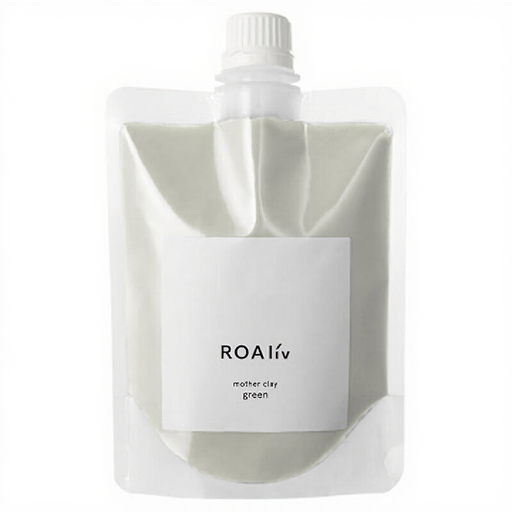
Why this product suits this profile: The 240 g tub is designed for regular wash-off use and, according to the product description, can also be used on the neck and décolletage.
Several types of clay, including kaolin, bentonite and illite, are clearly listed. The short recommended leave-on time of around five minutes helps avoid letting the mask dry for too long.
240 g of product, a creamy wash-off formula and additional ingredients such as honey, propolis, royal jelly and niacinamide.
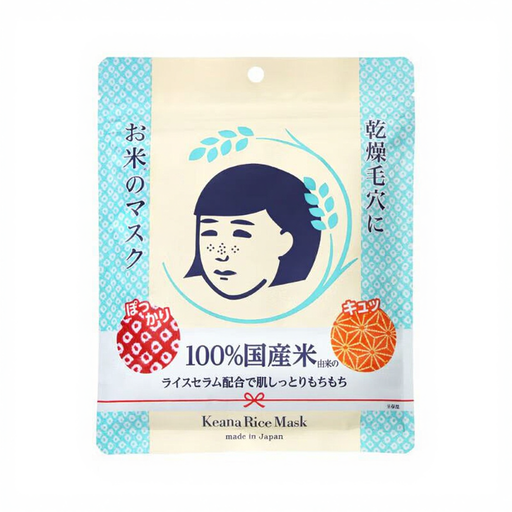
Why this product suits this profile: The rice essence is designed to hydrate and can be an alternative to masks that strip away too much oil.
This option doesn’t rely solely on drying clay. Remove the sheet mask after five to 10 minutes, then gently pat in any remaining essence.
10 masks per pack, plus rice ferment, rice germ oil and rice ceramides according to the listed ingredients.
We’ve put together a comprehensive, regularly updated list of products that meet these strict selection criteria and fully comply with the safety regulations in force in the EU.
It depends on the formula. Clay and BHA masks are often intended for use once or twice a week. Some sheet masks are recommended for use up to two or three times a week, according to the product information. Always follow the instructions on the packaging and pay attention to how your own skin responds.
Kaolin, bentonite and similar clays can absorb excess oil, which is why they’re often found in products for oily or combination skin. If your cheeks are dry or your skin is sensitive, applying the mask just to your T-zone may be a better option than using it all over your face.
For tubs and tubes, check the Period-after-Opening symbol on the packaging, which may indicate, for example, 12 months. Single-use sheet masks should be used as soon as you open them. Close any opened tub carefully and store it somewhere cool, away from direct sunlight.