
Lieferung heute & morgen

Qualitätsgarantie

Willkommens-Angebote freischalten: KOSTENLOSE Lieferung | Bis zu 80 % RABATT | Kostenlose 30-Tage-JoyPlus-Testphase
App herunterladen
Blemish-prone skin, a shiny T-zone and visibly enlarged pores can make it easy to choose the wrong product. Many products promise ‘deep cleansing’, ‘refined pores’ or especially fast results. On their own, however, these claims tell you little about whether a mask suits your skin or how you plan to use it.
Three common shopping pitfalls are particularly worth bearing in mind:
A pore-cleansing face mask containing clay, kaolin or charcoal is generally suitable for cosmetically removing excess oil and surface residue. It’s often a good match for a face mask for oily skin, or for targeted use on the T-zone.
If your skin is dry, tight or sensitive, a moisturising face mask may be a better choice. A sheet mask containing glycerin, hyaluronic acid, panthenol or similar humectants can complement your skincare routine without putting your skin under further strain from a rinse-off clay mask.
For combination skin, it can make sense to use different types of mask together: apply a cleansing mask only to your forehead, nose and chin, and a hydrating face sheet mask to drier areas.
The INCI list shows which ingredients are actually in the product. A face mask for spots or a face mask for blackheads, for example, may contain salicylic acid, clay, charcoal or soothing ingredients such as panthenol. This doesn’t mean it will treat a medical condition.
Salicylic acid can help to remove dead skin cells as part of a cosmetic skincare routine. If you have sensitive skin, it’s a good idea to test the product on a small area first. Essential oils, alcohol or fragrance can cause unwanted reactions for some people. Always check the ingredients list on the product packaging, as formulas can change.
A single mask or a pack of four is a good choice if you want to try a product carefully before committing. Packs of five to ten sheet masks are handy for regular, but not daily, use. Larger packs containing 30 sheet masks may suit frequent users, but they need to be stored in a clean, dry place.
Follow the application time stated by the manufacturer. Leaving a mask on for longer won’t necessarily improve the results and, particularly with sheet masks, may leave your skin feeling dry. Rinse-off masks are usually removed with lukewarm water after a few minutes.
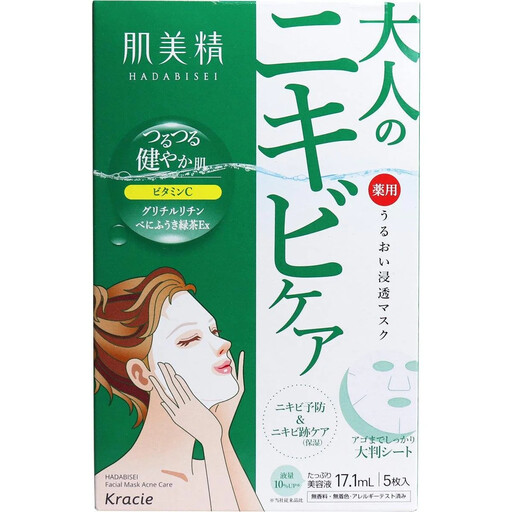
Why it suits this skin profile: The five-pack is a manageable way to start using sheet masks regularly. According to the product information, the formula contains salicylic acid, tea tree oil and witch hazel extract, among other ingredients.
The pack size reduces the risk of buying a large quantity of a formula that doesn’t suit you. The recommended frequency is 2–3 times a week.
Individual sheet masks; a clear application time of 10–15 minutes; ingredients selected with blemish-prone skin in mind.
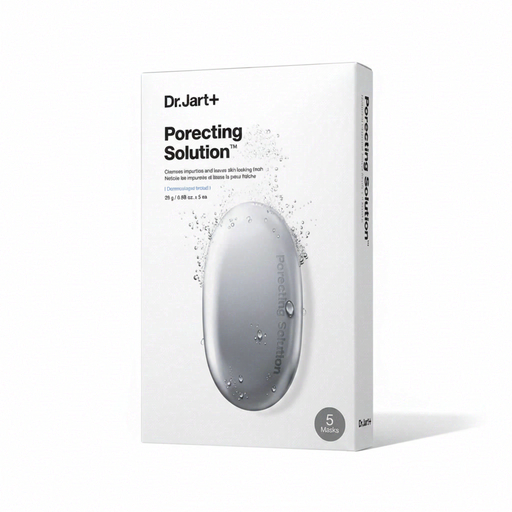
Why it suits this skin profile: This Korean bubble sheet mask combines charcoal with a foaming application, making it an interesting option if you want to pair cleansing with a more distinctive masking experience.
The product information gives a specific application time of 10–20 minutes and advises against using the mask on irritated or damaged skin.
Five sheet masks; charcoal; foaming texture; detailed warnings and manufacturer information.
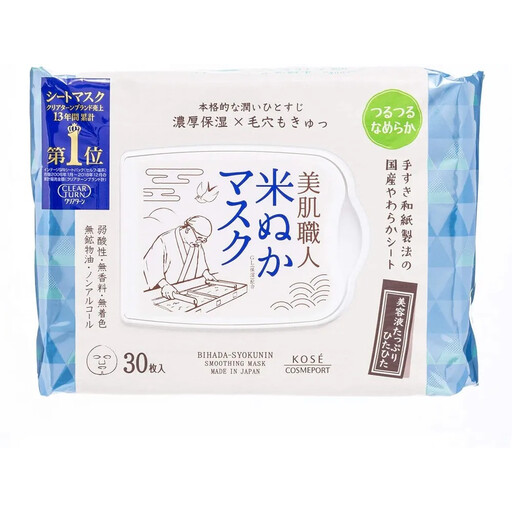
Why it suits this skin profile: This Japanese sheet mask set contains 30 masks and is designed for regular hydration. It’s a good option if you prefer to buy a larger pack.
The product description states that the mildly acidic formula contains no added colourants, fragrance, mineral oils or alcohol. The packaging remains the definitive source of information.
30 sheet masks; rice extract; stated application time of around 10 minutes; a practical option for regular use.
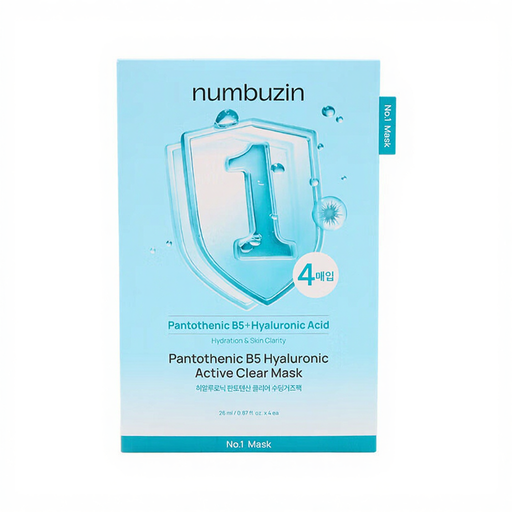
Why it suits this skin profile: The combination of pantothenic acid and hyaluronic acid focuses on hydration and a more balanced skin feel. It may suit you if your T-zone is oily but other areas feel dry.
The mask focuses on hydration rather than relying solely on oil-removing ingredients. This makes it easier to target dry or sensitive-feeling areas of your face.
Four individually wrapped masks; 10–15 minute application time; hydration-focused formula with hyaluronic acid and vitamin B5.
We’ve put together a comprehensive, regularly updated list of products that meet these strict selection criteria and fully comply with the safety regulations in force in the EU.
Before using a mask all over your face for the first time, it’s a good idea to do a small patch test. Apply the mask only to clean, unbroken skin, avoiding the eye and mouth areas. Stop using it if you experience burning, swelling, severe itching or persistent redness.
Don’t use a clay mask, charcoal mask or acid mask on the same day as several other exfoliating products. Remove a sheet mask after the recommended application time; you can gently pat any remaining essence into your skin. Rinse off wash-off products thoroughly with lukewarm water. If you have recurring or severe skin problems, seek advice from a dermatologist.
It depends on the type of mask and the manufacturer’s instructions. Cleansing clay or charcoal masks are often used once or twice a week. Sheet masks focused on hydration may be used more often, depending on the formula. If the mask contains salicylic acid or you have sensitive skin, start carefully.
For combination skin, targeted application may work well: use a pore-cleansing mask on the oilier T-zone and a moisturising face mask on dry areas. A single gentle sheet mask is another option if your skin feels tight or sensitive overall.
Use individual sachets immediately after opening. For multi-mask packs, make sure the seal closes tightly and store the packaging somewhere cool and dry, away from direct sunlight. Check the best-before date, batch number and, where applicable, the period-after-opening symbol on the packaging.