
Lieferung heute & morgen

Qualitätsgarantie

Willkommens-Angebote freischalten: KOSTENLOSE Lieferung | Bis zu 80 % RABATT | Kostenlose 30-Tage-JoyPlus-Testphase
App herunterladen
Face masks can complement your skincare routine when their texture, ingredients and instructions suit your skin’s needs. There’s plenty to choose from, including classic hydrating masks, sheet masks, peel-off masks, pore-cleansing masks and AHA exfoliating masks. That variety can make it hard to know which one to buy.
Many products promise firmer-looking skin, refined pores or an instant glow. It’s best not to take these claims at face value. Look for clear, useful information such as how long to leave the mask on, its acid concentration, whether it contains fragrance, which skin types it’s intended for and how to use it correctly.
Terms such as ‘glow’, ‘lifting’ or ‘pore detox’ often describe a cosmetic effect rather than a lasting, proven change. Check whether the product description gives you specific information:
A pore-refining mask may make your skin look temporarily smoother. However, a cosmetic mask can’t permanently change the size of your pores.
An AHA, PHA or physical exfoliating mask removes dead skin cells or helps loosen them. A hydrating mask, on the other hand, typically contains humectants such as glycerin, hyaluronic acid or panthenol.
Using acids too often on dry skin may contribute to tightness or irritation. Conversely, a hydrating mask alone may not be enough if you have excess oil or pores that appear congested.
Even a face mask described as versatile may contain fragrance, essential oils, alcohol or acids. If your skin is sensitive, red or already irritated, check the INCI list especially carefully. Before using the mask all over your face for the first time, it may be worth doing a patch test on a small area of skin.
With an AHA exfoliating mask, check which acid it contains and, where stated, its concentration. Lactic acid and glycolic acid can exfoliate the skin’s surface. Always follow the application time in the product instructions.
Your skin may be more sensitive to sunlight after using AHAs. That makes using sun protection with a suitable SPF especially important. Don’t use exfoliating products on open areas, actively irritated skin or if you have a known sensitivity to them.
Check for:
Information on the online shop may differ if the product’s formulation changes between batches. Always refer to the labelling on the packaging you receive.
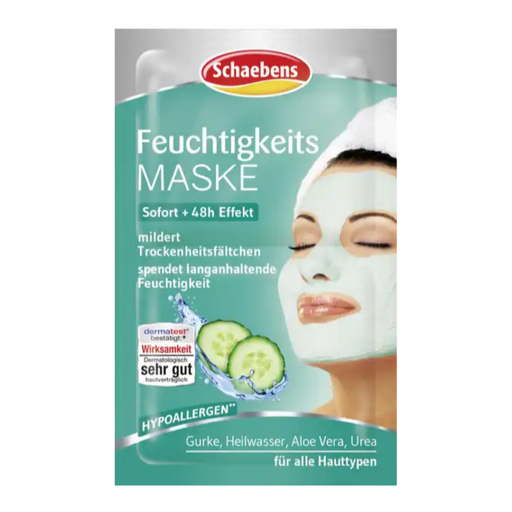
Why it suits this profile: The single-use sachet is a handy way to try a hydrating mask before buying a larger supply. It’s designed for use on the face and décolletage, and the product instructions recommend leaving it on for 10–15 minutes.
The short application time and small amount help reduce the risk of using a product that doesn’t suit you over an extended period.
The product description lists aloe vera, avocado, cucumber, panthenol and bisabolol.
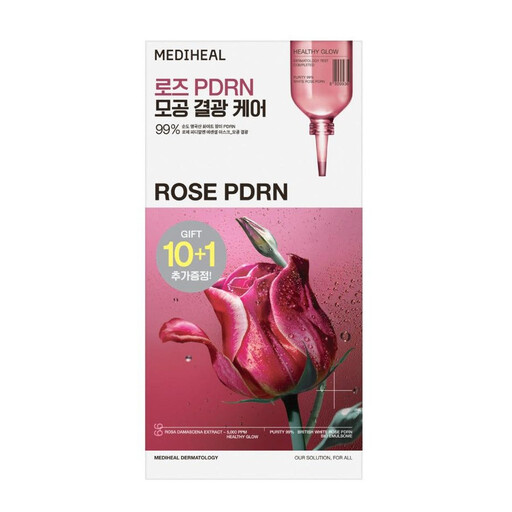
Why it suits this profile: This pack of eleven sheet masks is a good option for regular users who prefer a Korean face mask with a clear application time of 10–20 minutes.
The product description specifies the material, quantity and how to use the masks, and includes a complete INCI list. The packaging remains the definitive source for your final check.
According to the product information, it contains a bamboo-fibre sheet, glycerin, panthenol and ceramide NP.
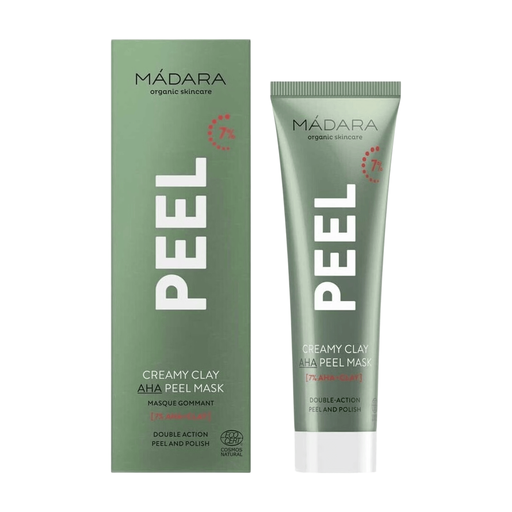
Why it suits this profile: A good choice if you’re looking for an exfoliating mask that combines surface exfoliation with clay. The recommended application time is 3–10 minutes.
The product information clearly states that it contains 7 % lactic acid and fragrance allergens, and that it’s not suitable for sensitive or hypersensitive skin.
Lactic acid, white clay, jojoba oil and yarrow extract are listed as ingredients.
We’ve put together a complete, regularly updated list of products that meet these strict selection criteria and fully comply with the safety regulations in force in the EU.
A face mask for blemish-prone skin is not a substitute for dermatological treatment. If you have recurring or inflammatory skin problems, it’s a good idea to seek medical advice.
It depends on the type of mask. Hydrating sheet masks may be used more frequently from time to time, depending on how well your skin tolerates them. AHA, PHA and physical exfoliating masks, however, should only be used as directed by the manufacturer, often once or twice a week.
Individually packaged sheet masks are designed for one use. Once opened, tubs and tubes should be used according to the PAO symbol and the information on the packaging. If the product’s smell, colour or consistency changes, stop using it.
Neither type is automatically right for everyone. A sheet mask is a convenient way to hydrate your skin, especially when you only have a short time. A peel-off mask is a good choice if you prefer a mask that forms a peelable film. If your skin is sensitive or irritated, check the ingredients and warnings for either type before use.