
Lieferung heute & morgen

Qualitätsgarantie

Willkommens-Angebote freischalten: KOSTENLOSE Lieferung | Bis zu 80 % RABATT | Kostenlose 30-Tage-JoyPlus-Testphase
App herunterladen
Face masks can complement your skincare routine when the format, ingredients and treatment time suit your skin’s needs. There’s plenty to choose from, from classic hydrating masks and sheet masks to AHA and peel-off masks. That variety can make it harder to compare products.
Three common buying misconceptions are particularly likely to lead to the wrong choice:
Before you buy, consider not only your skin type but also what you want the product to do.
For an AHA mask, the type and concentration of acid are particularly important. According to the product information, Mádara Creamy Clay AHA Peel Mask contains 7% lactic acid as well as white clay. It should be left on for 3 to 10 minutes and used no more than two or three times a week. According to the manufacturer, the product is not suitable for sensitive or hypersensitive skin.
A PHA/AHA exfoliating mask such as the THALGO Spiruline Boost Radiance Peeling Pro Mask should also only be used as directed on the packaging. After using products containing acids, it’s a good idea to apply sunscreen consistently, as your skin may be more sensitive to the sun.
Check the INCI list for any known sensitivities before you buy. Fragrance ingredients such as Limonene, Linalool, Geraniol or Citral, as well as essential oils, may cause reactions in sensitive skin. This applies, for example, to formulas containing lavender, grapefruit or rosemary oil.
A patch test on a small area of skin can help you cautiously assess how well you tolerate a product. Stop using it if you experience burning, swelling, persistent redness or itching. Don’t apply face masks to broken, inflamed or sunburnt skin.
A sheet mask is quick to use and usually comes in an individual sachet, making it a handy option for occasional use or travel. Creamy exfoliating masks, on the other hand, are scooped from a jar, allowing you to control how much you use. A peel-off mask forms a film that you peel off once it has dried. Avoid the eye and mouth areas when applying it.
The actual treatment time is important too: leaving a mask on for longer doesn’t automatically make it more effective. For example, Dr. Jart+ Dermask Ultra Jet Porecting Solution is designed to be left on for 10 to 20 minutes. Use the sachet straight after opening to preserve the described foaming effect.
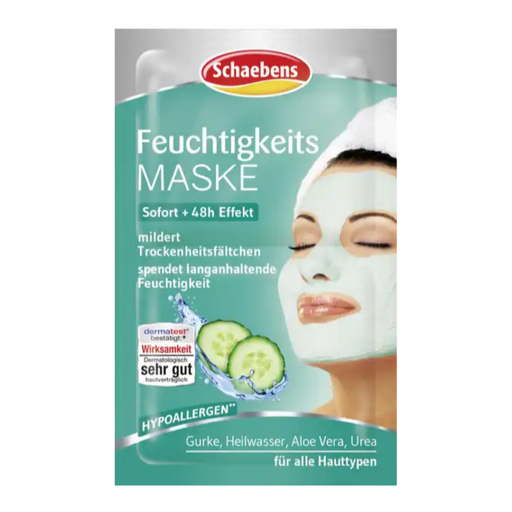
Why this product suits this profile: The 10 ml sachet is designed for a single use, making it an easy way to try a hydrating mask.
The compact pack helps you avoid buying a large supply before you know how well your skin tolerates the product.
The product information lists aloe vera, avocado, cucumber, panthenol and bisabolol. Leave the mask on for 10 to 15 minutes.
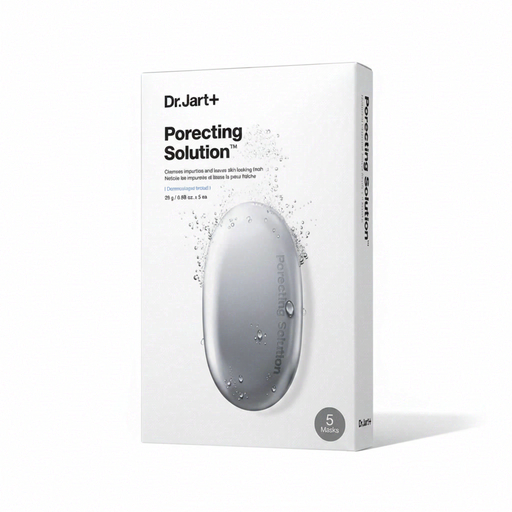
Why this product suits this profile: The pack contains five individual activated charcoal sheet masks and is a good choice if you prefer a structured routine with a foaming effect.
The product information lists the ingredients, allergens, treatment time and clear warnings, rather than making only vague claims about pores.
The listed ingredients include activated charcoal, niacinamide and Centella asiatica. The mask is designed to foam on contact with the skin.
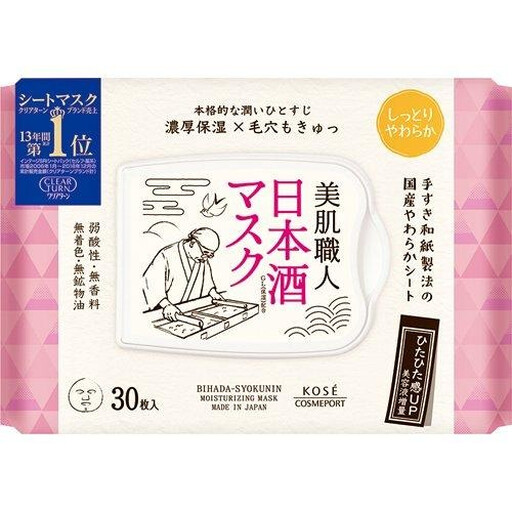
Why this product suits this profile: With 30 sheets in the pack, it’s a good option if you’d like to make a Japanese sheet mask a regular part of your skincare routine.
Knowing the number of sheets and the recommended treatment time of 10 to 15 minutes makes it easier to plan how often you’ll need to restock.
The product information lists individual sheet masks, collagen and plant extracts.
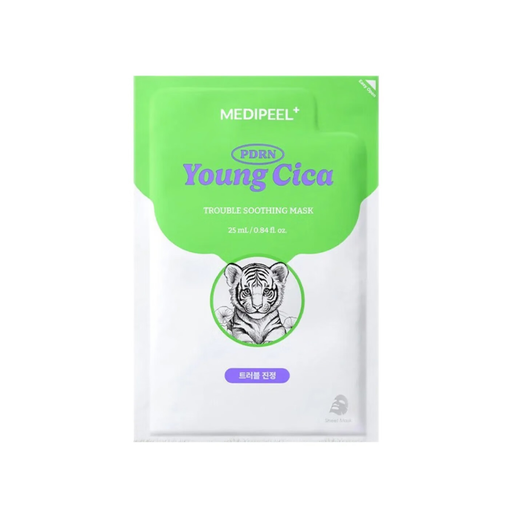
Why this product suits this profile: This sheet mask is designed for dry and sensitive skin. Apply it after cleansing and leave it on for 10 to 20 minutes.
The product information includes specific warnings for irritated skin and advises you to stop using the mask if you experience discomfort.
The INCI list includes Centella asiatica ingredients, niacinamide, panthenol and several forms of hyaluronic acid.
We’ve put together a comprehensive, regularly updated list of products that meet these strict selection criteria and fully comply with the safety regulations in force in the EU.
Don’t forcibly peel off the film from a peel-off mask. If it doesn’t come away evenly, lukewarm water may make it easier to remove. If you have known allergies, check carefully for fragrance, beeswax, essential oils or specific plant extracts.
It depends on the type of mask. Hydrating masks may be used more frequently, depending on the product. AHA, exfoliating and peel-off masks are usually recommended only once to three times a week. Always follow the instructions on the packaging and pay attention to how your skin responds.
Many sheet masks are designed to be left on for 10 to 20 minutes. Don’t automatically keep one on until the sheet has completely dried. Afterwards, gently pat in any remaining essence or remove it as directed on the product.
No. Activated charcoal, clay, fragrance or acids may feel uncomfortable on dry, sensitive or irritated skin. When choosing a clarifying face mask, consider your skin’s condition, the INCI list, a patch test and the directions for use.