
Lieferung heute & morgen

Qualitätsgarantie

Willkommens-Angebote freischalten: KOSTENLOSE Lieferung | Bis zu 80 % RABATT | Kostenlose 30-Tage-JoyPlus-Testphase
App herunterladen
Face masks can complement a skincare routine when their ingredients, fit and application time suit your individual skin condition. However, Korean face masks, Japanese rice formulations, hydrogel masks and classic cream masks differ considerably.
Many unsuitable purchases are not caused by the price, but by three common marketing traps:
For dry or dehydrated skin, humectants such as glycerin, butylene glycol, betaine or hyaluronic acid are typical ingredients. A moisturising mask can temporarily help skin feel smoother and more supple. For follow-up care, a cream or lotion is useful to prevent the skin’s surface from drying out again straight away.
A soothing face mask often contains panthenol, Centella asiatica ingredients, allantoin or liquorice extract. For dull skin, formulations often include niacinamide or rice extracts. A brightening face mask should be viewed realistically: cosmetic products can improve the appearance of an uneven complexion, but they are not a substitute for dermatological treatment.
The cause is crucial when dealing with visibly enlarged pores. Hydration can temporarily make the skin appear smoother. For oily skin, however, clay ingredients such as kaolin or bentonite may be worth considering. A face mask for large pores should not be chosen solely by its product name.
A sheet face mask is usually made from cellulose, cotton fibres or non-woven fabric. Important factors include a sufficiently large opening for the face, good contact around the nose and chin, and an amount of essence that does not immediately run down the skin.
A hydrogel mask fits more closely against the skin and is often designed for longer application times. It is better suited to planned skincare sessions than to a quick morning application. For overnight products, follow the wearing time specified by the manufacturer.
Cream masks and wash-off products can be applied in a thin layer and then removed or rinsed off. They can be practical for people who do not prefer sheet masks. Unless the packaging recommends otherwise, clay or exfoliating masks should generally be limited to once or twice a week.
A larger pack does not automatically offer better value for money. Compare the number of masks, amount per application, recommended application time and shelf life after opening.
With multipacks, the seal should close securely. This is particularly important for products intended for daily use, as the remaining sheet masks could otherwise dry out. The current ingredients list on the packaging is the authoritative source, as formulations can change.
Before first use, it is advisable to carry out a small compatibility test on an inconspicuous area of skin. Do not apply to damaged, irritated or inflamed skin. If redness, itching or stinging occurs, remove the product and discontinue use.
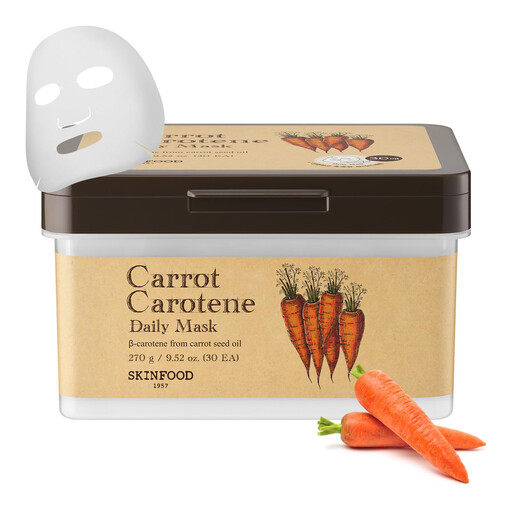
Why this product suits this profile: The pack contains 30 individual sheet masks, making it suitable for regular use and easy to incorporate into a daily skincare routine.
The stated application time is 5 to 20 minutes, so the mask does not need to be worn unnecessarily long. Essential oils and fragrance components should be checked before purchase.
30 sheet masks, niacinamide and carrot root extract according to the stated formulation; convenient individual use.
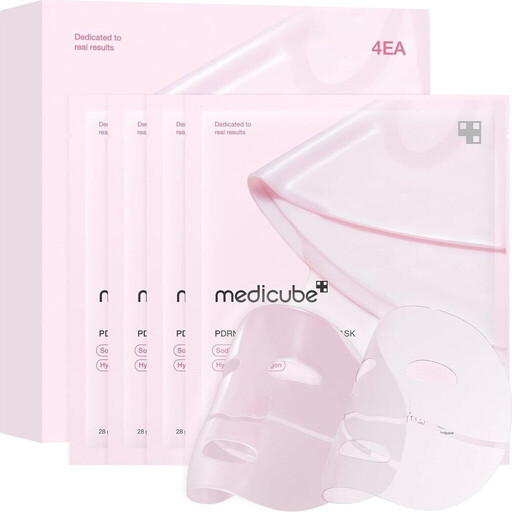
Why this product suits this profile: The hydrogel mask is designed for a longer skincare session, combining a close-fitting texture with a clearly stated list of active ingredients.
The recommended application time of 30 to 40 minutes is clearly different from that of a daily sheet mask. PDRN and collagen are presented as ingredients, not as a guarantee of results.
Hydrogel format, sodium DNA (PDRN), hydrolysed collagen and Ceramide NP according to the stated INCI list.
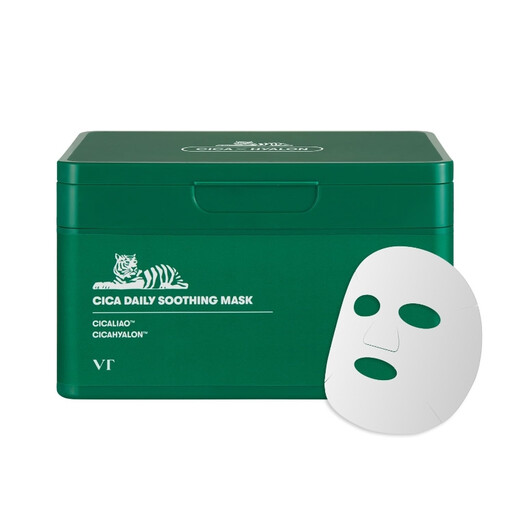
Why this product suits this profile: The dispenser contains 30 ultra-thin sheets designed for regular, short skincare steps, such as in the morning or after cleansing.
The stated application time is 10 to 20 minutes. The seal and supplied tweezers help you remove the contents hygienically.
0.2 mm Nude-Seal sheet, Centella asiatica ingredients and sodium hyaluronate according to the product information.
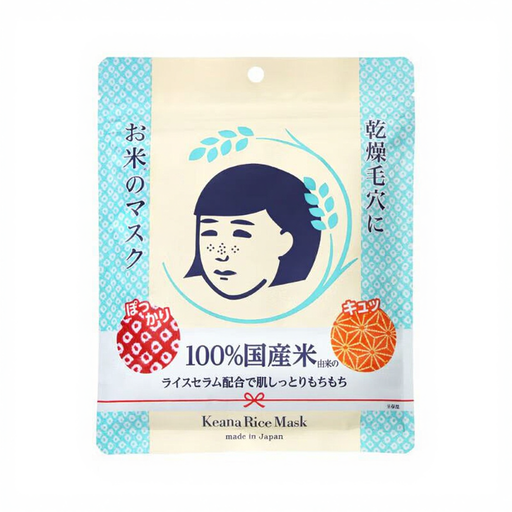
Why this product suits this profile: This Japanese rice face mask is aimed at people who prefer a richer sheet texture and a short application time of 5 to 10 minutes.
The smaller pack size offers an easy way to try the product. Alcohol appears near the top of the stated INCI list and should be taken into account if you have sensitive skin.
Rice ferment filtrate, rice bran oil, rice extract and glucosyl ceramide according to the product description; thick sheet with close skin contact.
We have put together a complete, regularly updated list of products that fully meet these strict selection criteria and the safety regulations applicable in the EU.
A daily sheet mask is not necessary for every skin type. With richer formulations, using a mask several times a week may be sufficient. An anti-ageing face mask containing niacinamide, adenosine or collagen ingredients should be assessed based on the specific INCI list and your individual skin compatibility.
That depends on the type of mask. Sheet masks with a short application time can be used more frequently according to the product information. Peeling and clay masks are generally used less often. If you experience tightness or irritation, reduce the frequency.
Around 5 to 20 minutes is usual. Hydrogel or overnight masks may be designed to stay on for longer. The instructions on the packaging are what matter, not the feeling that a drying mask must be left on for longer to work.
Look for humectants such as glycerin, betaine or hyaluronic acid, as well as a well-tolerated overall formulation that suits your skin. If your skin is very sensitive, check fragrances, alcohol and essential oils particularly carefully.