
Lieferung heute & morgen

Qualitätsgarantie

Willkommens-Angebote freischalten: KOSTENLOSE Lieferung | Bis zu 80 % RABATT | Kostenlose 30-Tage-JoyPlus-Testphase
App herunterladen
Dry skin, a dull complexion or skin that feels stressed are common reasons for looking for face masks. The range includes sheet masks, hydrogel face masks and cooling gel masks. However, a high price is not a reliable way to choose. Terms such as “Glow”, “Lifting” or “Anti-Aging” often mainly describe a product’s positioning and do not automatically indicate a proven effect.
If you want to buy face masks, you should therefore avoid three common pitfalls:
A sheet mask is usually made from cotton, cellulose or bio-cellulose and soaked in essence. It is suitable for a straightforward application of around 10 to 20 minutes. A hydrogel face mask, on the other hand, consists of a gel-like, elastic backing layer. It often adheres closely to the skin and can be particularly practical when you do not want the essence to drip.
There are also special shapes for targeted application. A chin pack, for example, mainly covers the chin and jawline rather than treating the entire face. The key is for the mask to fit with as few creases as possible, while leaving the eye and mouth areas uncovered.
With a moisturising face mask, ingredients such as glycerine, hyaluronic acid or Sodium Hyaluronate, panthenol and ceramides are typical points of reference. A hyaluronic mask may be of interest for dry skin, but it does not replace a daily moisturiser. Humectants bind water; applying a moisturiser afterwards can help the skin feel cared for for longer.
A collagen mask often contains hydrolysed collagen or collagen crosspolymer. These ingredients should primarily be considered cosmetic skincare components. If you are looking for a face mask for dry skin, you should also consider the entire formulation rather than focusing on just one active ingredient.
For sensitive skin or skin prone to redness, a soothing face mask containing Centella Asiatica, allantoin or panthenol may be an option. Centella is widely used in Korean skincare. If the formula also contains perfume, essential oils or numerous plant extracts, it is advisable to carry out a patch test on a small area of skin before using it for the first time.
Also check the number of masks per pack, the amount of essence and the stated application time. A pack containing 32 individual masks may be more economical for regular morning routines than individual premium products. However, a multipack is only worthwhile if the formula is genuinely well tolerated in everyday use.
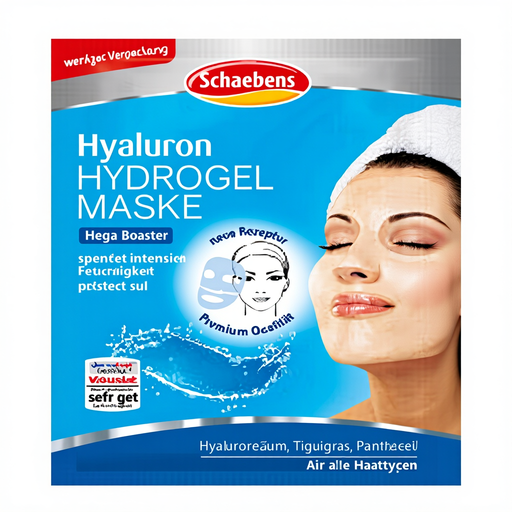
Why this product suits this profile: The individual hydrogel face mask offers an easy introduction to intensive moisturising care without having to buy a larger pack.
The application time and product type are clearly stated. Hyaluronic acid is described as a skincare ingredient without suggesting a lasting result.
Hydrogel material and hyaluronic acid are the key features, making it suitable for temporarily hydrated-feeling skin.
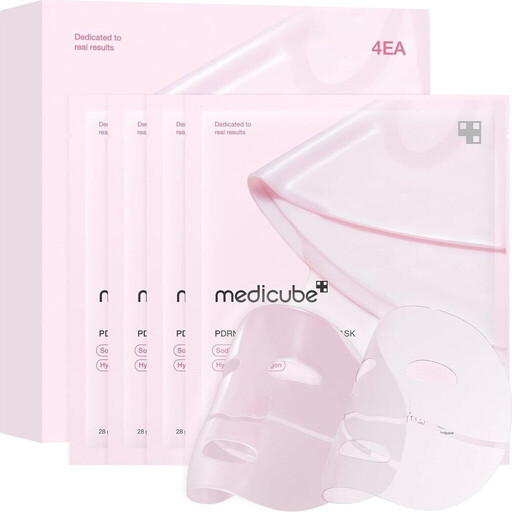
Why this product suits this profile: The 30- to 40-minute application time and detailed ingredient declaration appeal to shoppers who like to compare ingredients and skincare routines carefully.
The INCI list includes PDRN, hydrolysed collagen, niacinamide and Ceramide NP, among other ingredients. The information on the actual packaging should be checked before use.
The hydrogel adheres closely; four individual masks allow for multiple applications. Suitable for all skin types according to the product information, although a patch test is still advisable.
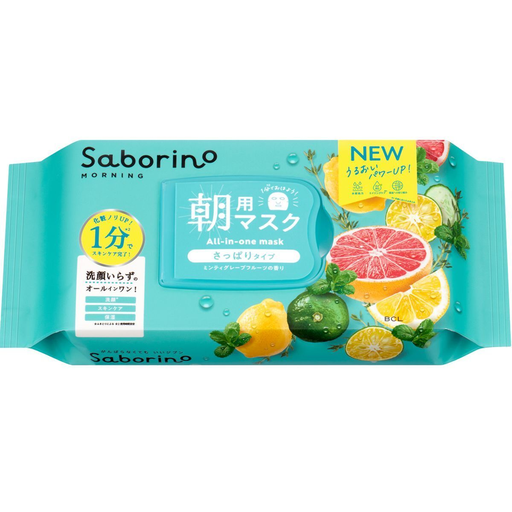
Why this product suits this profile: With an application time of around 60 seconds, it is ideal for working people and anyone who prefers a quick Korean skincare routine in the morning.
The application time is clearly designed for a short morning routine, helping to prevent the mask from being left on the skin for too long by mistake.
32 sheet masks per pack; no rinsing required afterwards according to the product description.
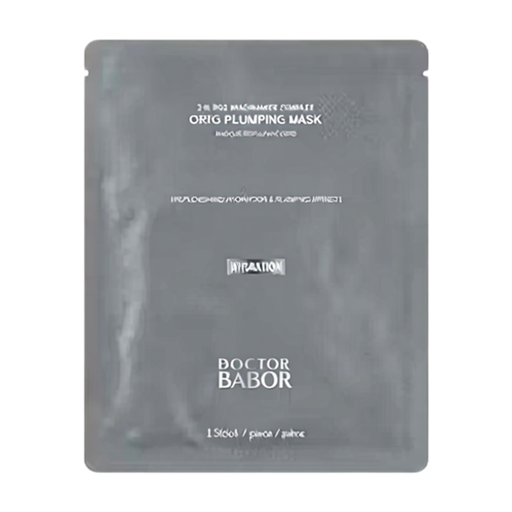
Why this product suits this profile: The bio-cellulose mask is designed for users who want to combine a cooling face mask with an extensive moisturising formula.
Storing the mask in the fridge can enhance the cooling sensation; this should be understood as an application property rather than a medical effect.
Bio-cellulose backing, several forms of hyaluronic acid, plus panthenol and niacinamide in the stated formula.
Clean your face first and apply the mask according to the manufacturer’s instructions. Most sheet and gel masks are removed after the application time; any remaining essence can be gently patted into the skin. Not every mask is intended for overnight use. Long application times are only advisable when expressly stated.
Store sachets away from direct sunlight and high temperatures. For products containing multiple individual masks, make sure the packaging is closed securely and kept clean. Stop using the product if you experience burning, itching, swelling or persistent redness. Face masks are intended for external use and should be kept away from the eyes.
We have put together a complete, regularly updated list of products that fully meet these strict selection criteria and the safety regulations applicable in the EU.
This depends on the formula and the manufacturer’s instructions. A simple moisturising mask can be used regularly if your skin tolerates it well. With heavily fragranced, exfoliating or highly concentrated formulas, less frequent use is advisable. The specific recommendation on the packaging or product page takes priority.
Many sheet masks are used for around 10 to 20 minutes. Hydrogel products may allow longer application times, such as 30 to 40 minutes. The stated application time is always the deciding factor. If the mask dries out, it should be removed.
A mask can help dry skin feel pleasantly hydrated. If you have sensitive skin, check the INCI list for fragrances, essential oils and any known personal triggers. Do not continue using the product on damaged skin or if a reaction occurs.